
Ocean Animals

Habitats hub

Ocean Animals

Ocean animals by zone, from reef fish to whales, sharks and the deep-water coelacanth, plus which sea animals are herbivores and the main threats they face.

Species listed
24
Diet mix
19 carnivore · 4 omnivore · 1 herbivore
Updated
November 2026

24 species · 19 carnivore, 4 omnivore, 1 herbivore

Overview

What animals live in the ocean?

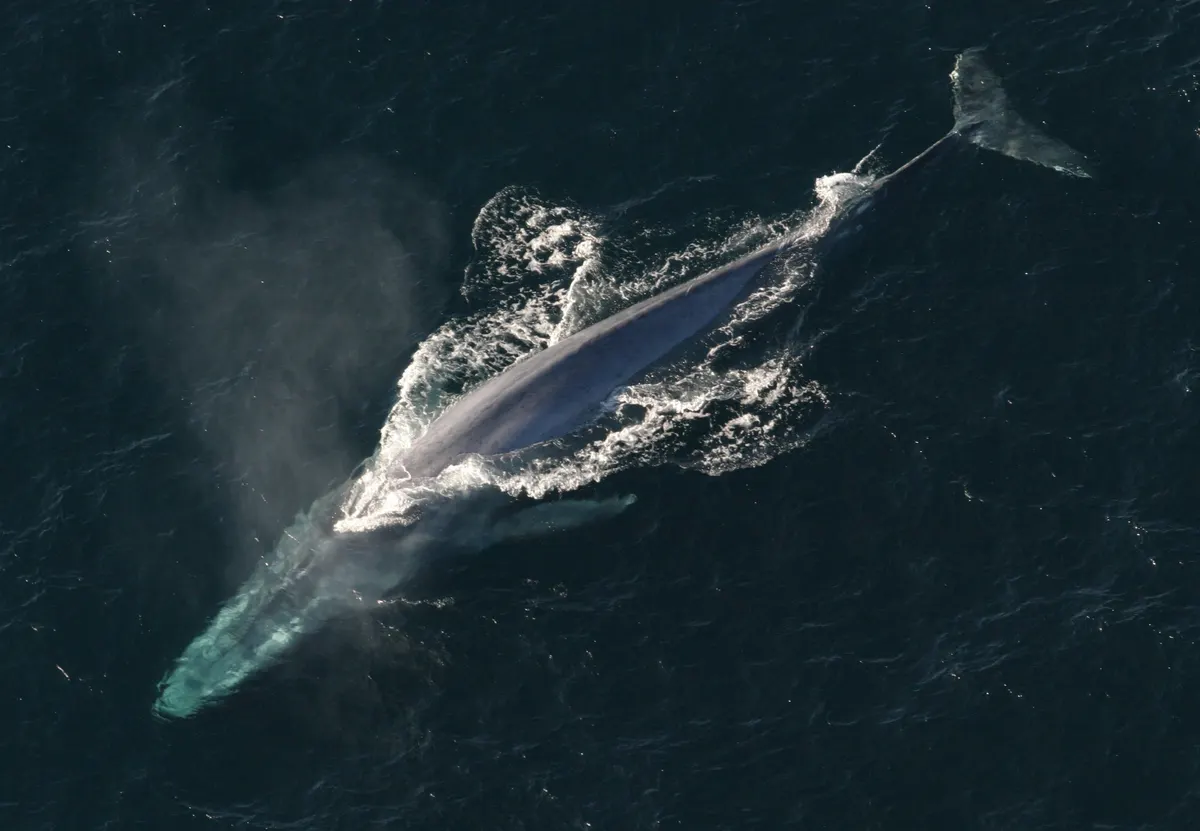
Ocean animals include whales, dolphins, sharks, rays, tuna, coral-reef fish, octopuses, cuttlefish, seahorses, sea turtles and ocean-going seabirds. The largest is the blue whale, at about 30 m (100 ft), and the largest fish is the whale shark. Ocean herbivores include the green sea turtle, reef grazers such as parrotfish and surgeonfish, and krill that eat phytoplankton. This hub profiles 24 of them, grouped by where each spends most of its life:

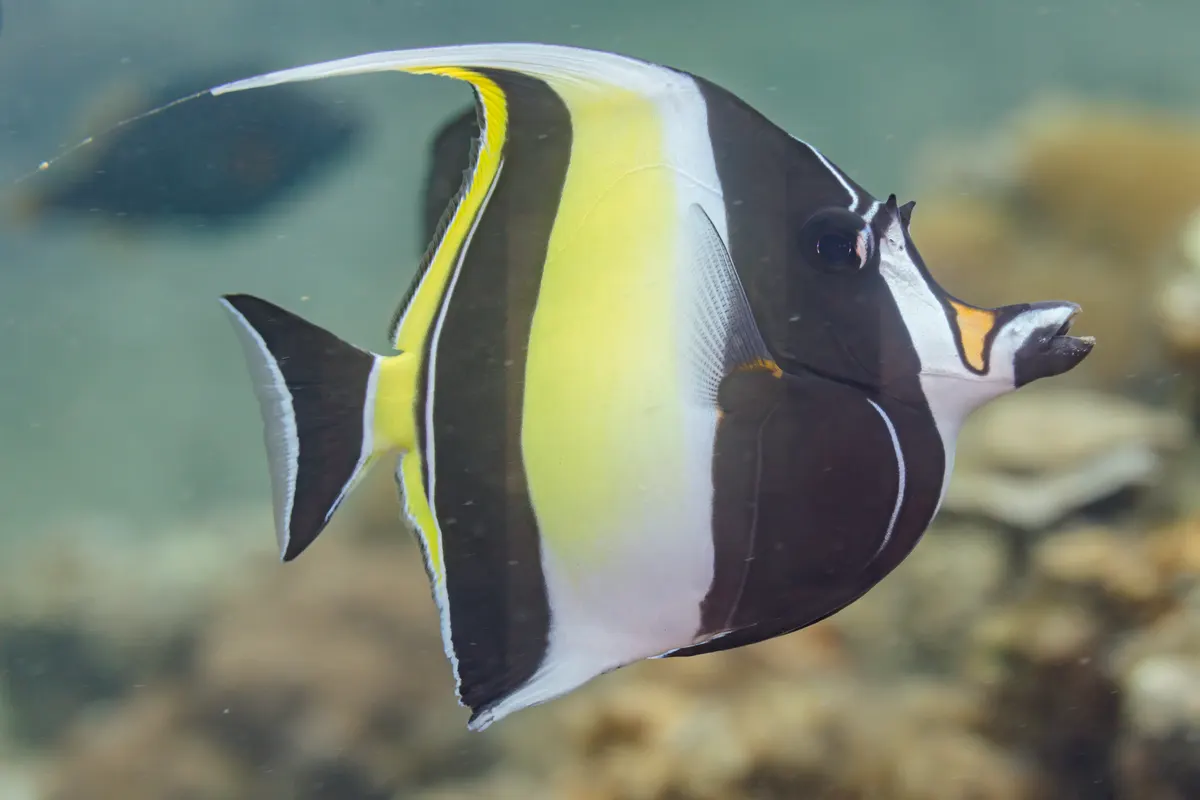
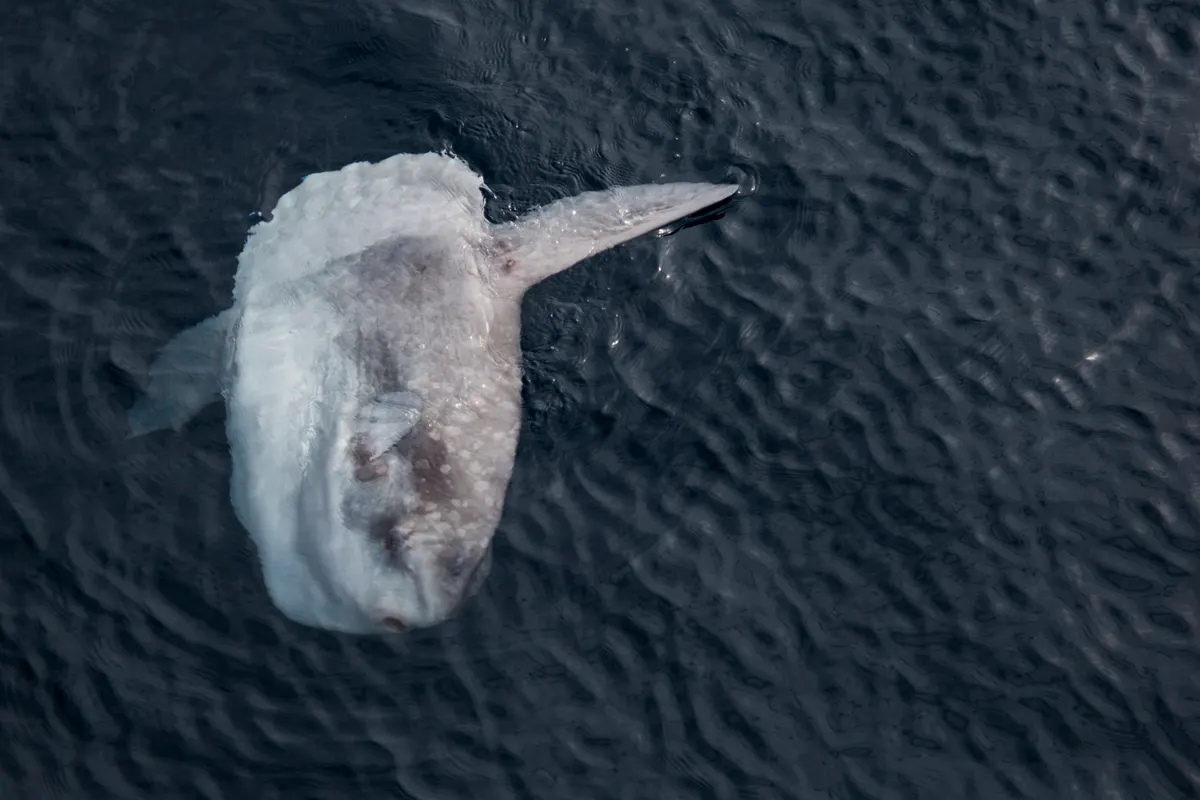
Nineteen of the 24 ocean profiles are carnivores. Four are omnivores (clownfish, Moorish idol, guineafowl pufferfish and ocean sunfish), and one, the green sea turtle, is a herbivore.

Many species use more than one zone. Bottlenose dolphins and great hammerheads hunt in both coastal and offshore water, and young green turtles live in the open ocean for several years before they move to coastal feeding grounds.

Start here

Featured species

4 entry points into this cluster — each profile has range, diet, behavior, and conservation detail.

Species directory

All 24 animals in this hub

Flagship species appear first. Open any card for range maps, diet, behavior, and conservation status.

Field guide

Ecology & context

Adaptations, threats, and comparisons — background for readers who want more than the species directory.

Coral reefs, seagrass and the seabed

NOAA estimates that about 25 percent of the ocean's fish depend on healthy coral reefs. Most reef animals in this collection are small and tied to a particular shelter or food:

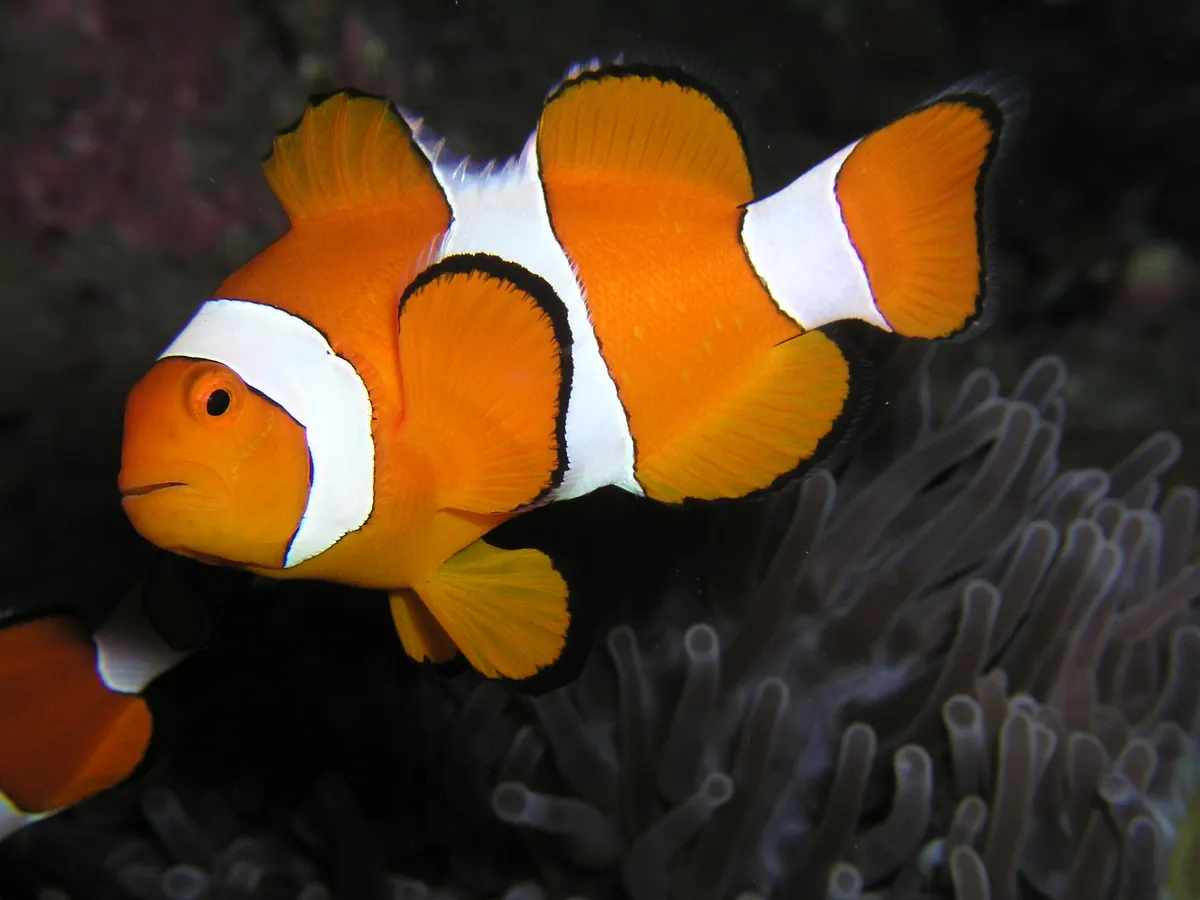
  • Clownfish shelter and nest among the stinging tentacles of a host sea anemone. They are omnivores that eat zooplankton, small crustaceans such as copepods, and algae.
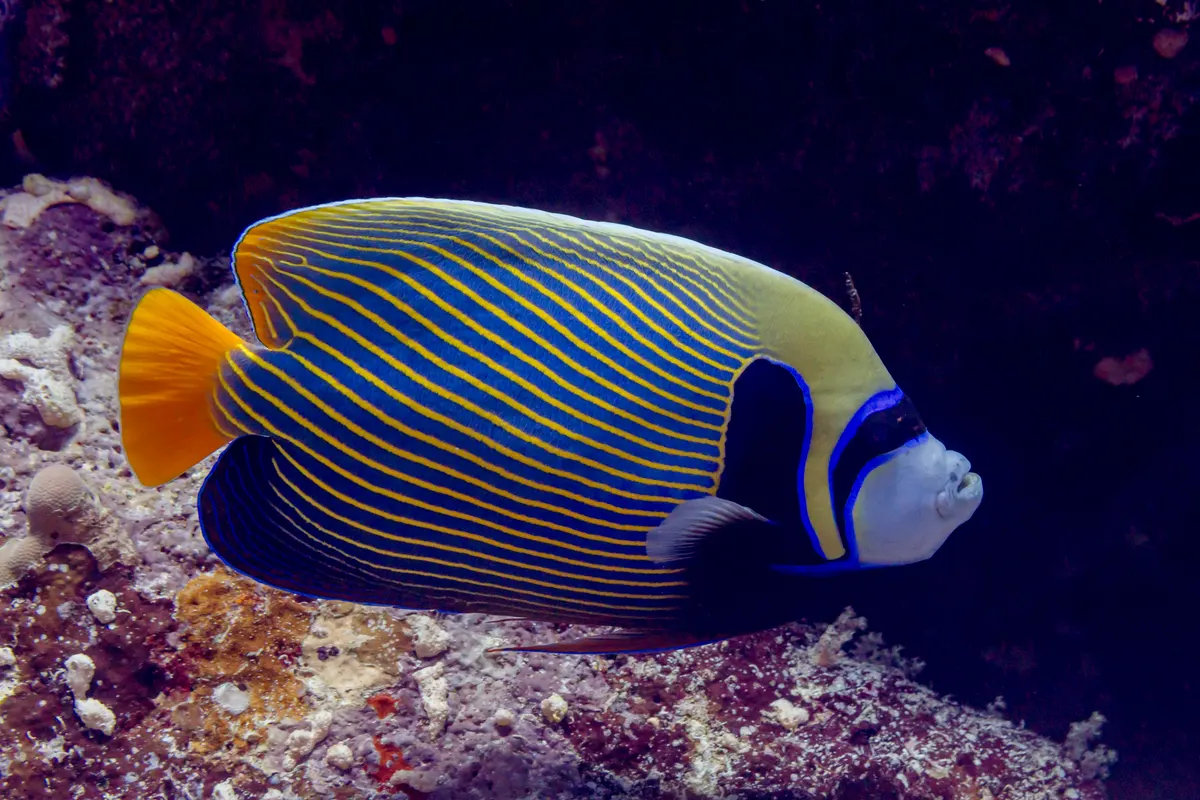
  • Emperor angelfish feed on sponges, tunicates and other encrusting organisms, and Moorish idols also pick small encrusting animals off reef surfaces.
  • Guineafowl pufferfish feed mainly on the tips of branching corals, with sponges, mollusks and algae as smaller parts of the diet.
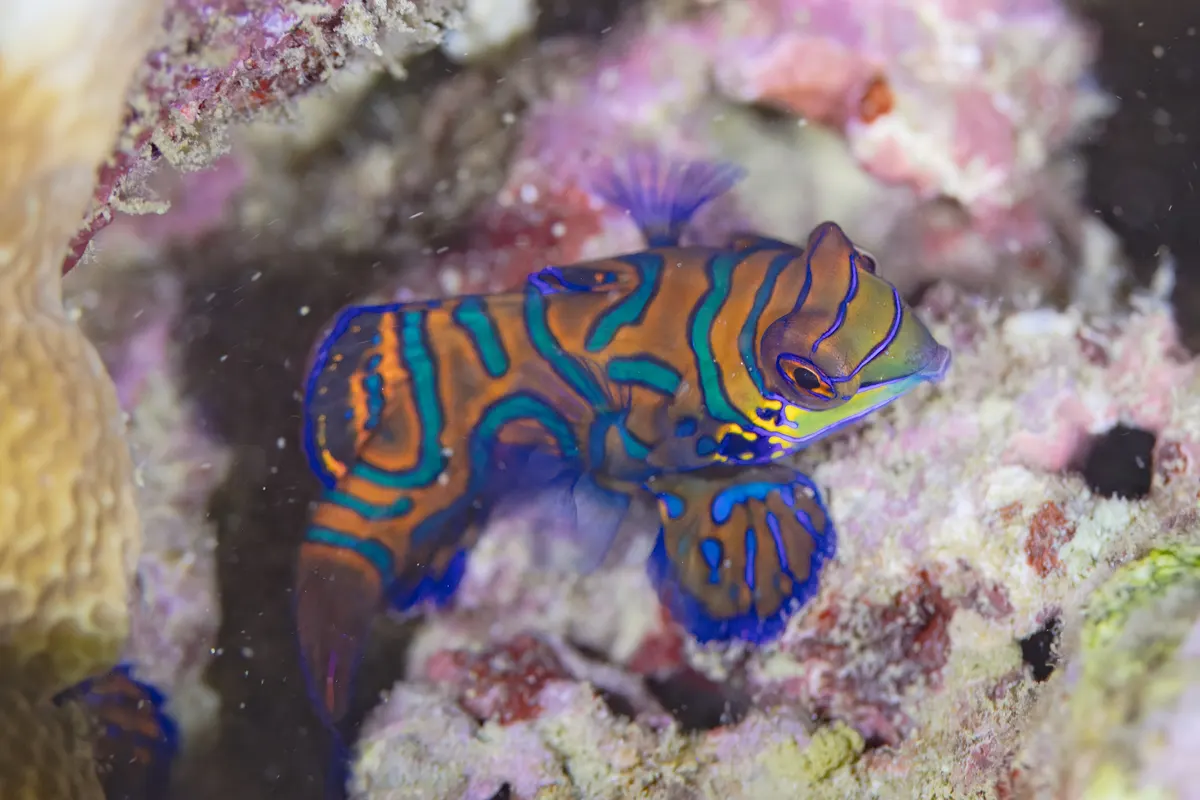
  • Mandarinfish live in shallow, sheltered lagoons and inshore reefs of the western Pacific, from the Ryukyu Islands to Australia, at depths of about 1–18 m (3–59 ft). See why mandarinfish lack scales.
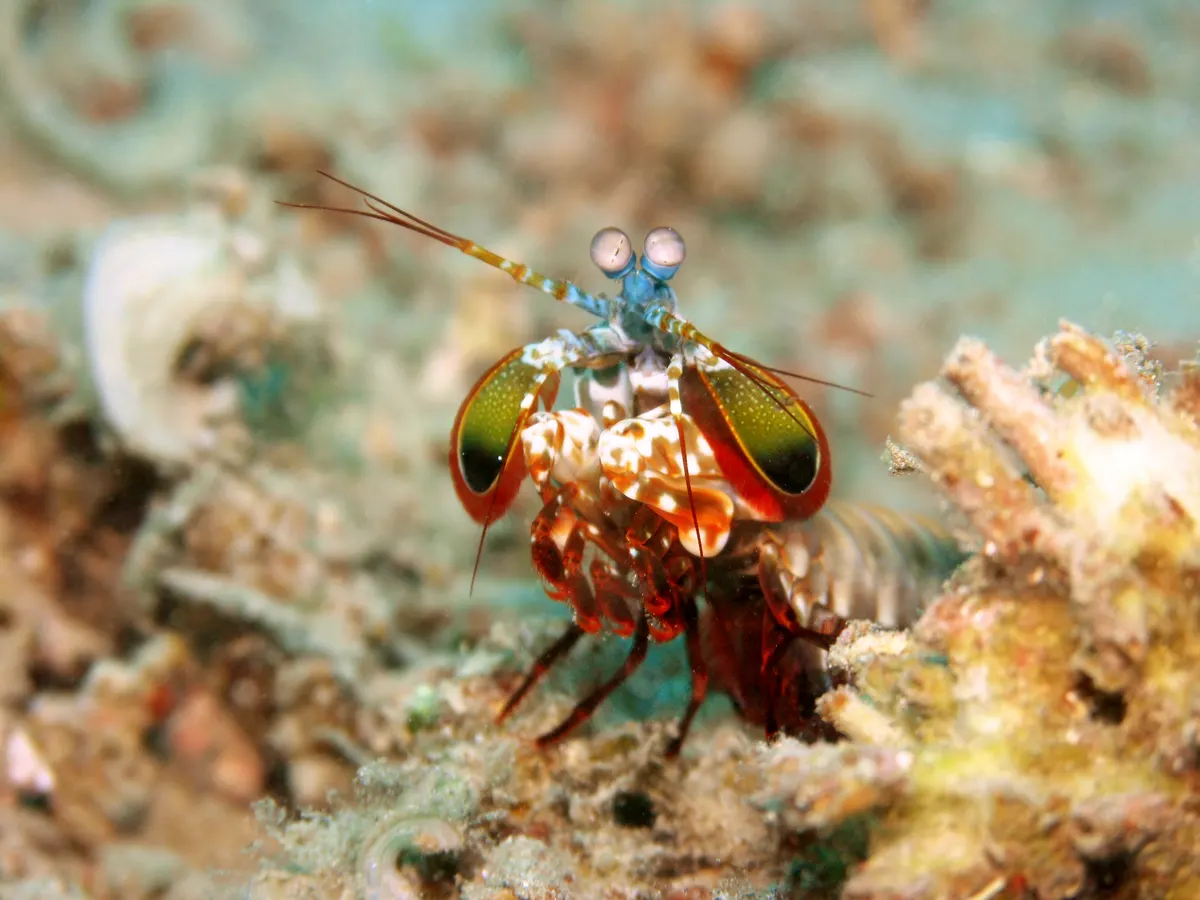
  • Peacock mantis shrimp dig U-shaped burrows near the base of reefs and break open snails, crabs and clams with club-like appendages. See how a mantis shrimp punches so hard.
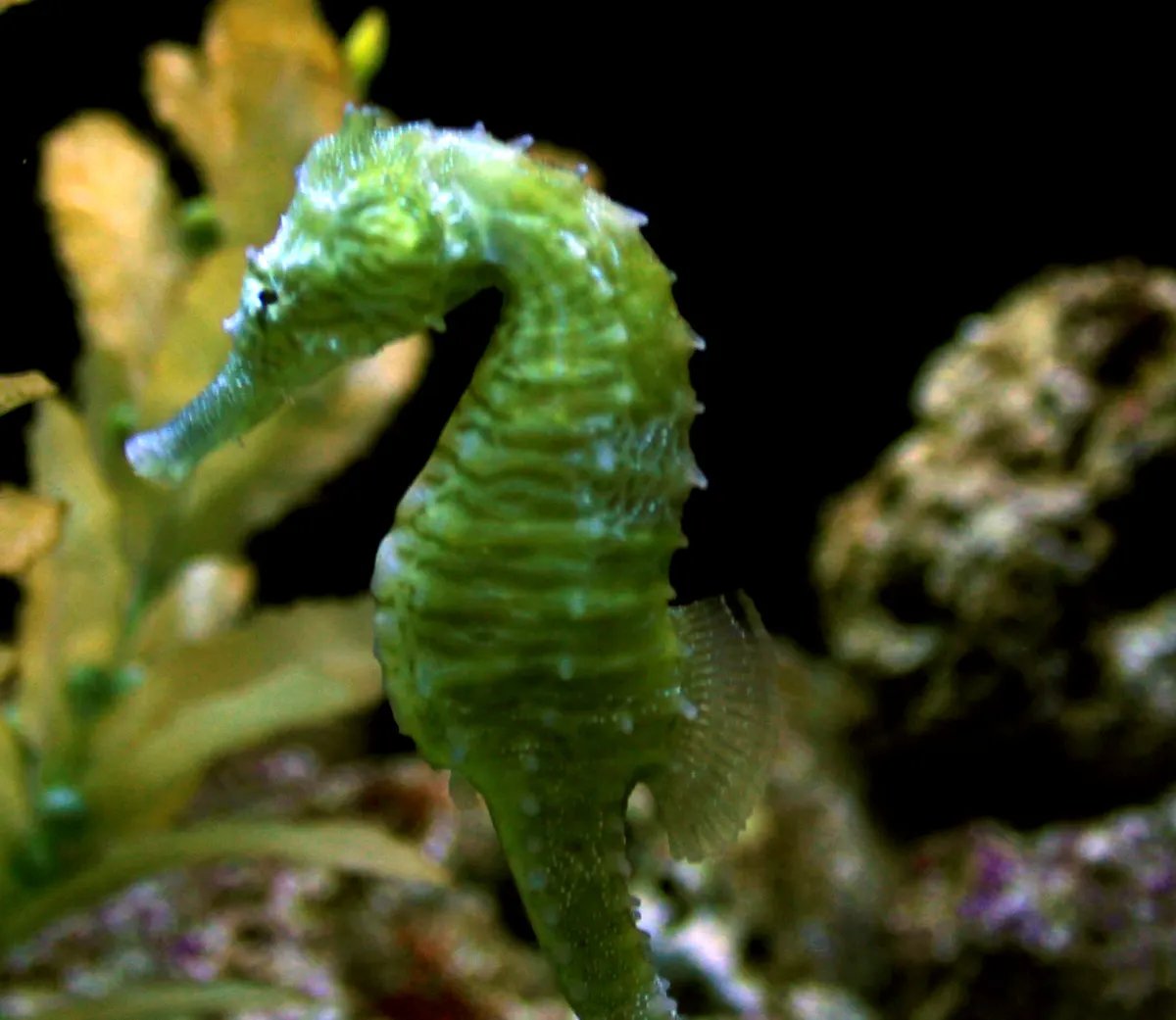
  • Seahorses and leafy seadragons (family Syngnathidae) suck tiny crustaceans into a tube-shaped snout, and the male carries the eggs. Leafy seadragons live only off southern Australia, in seagrass meadows, seaweed beds and rocky reefs in shallow, cool water, and eat mainly mysid shrimp.
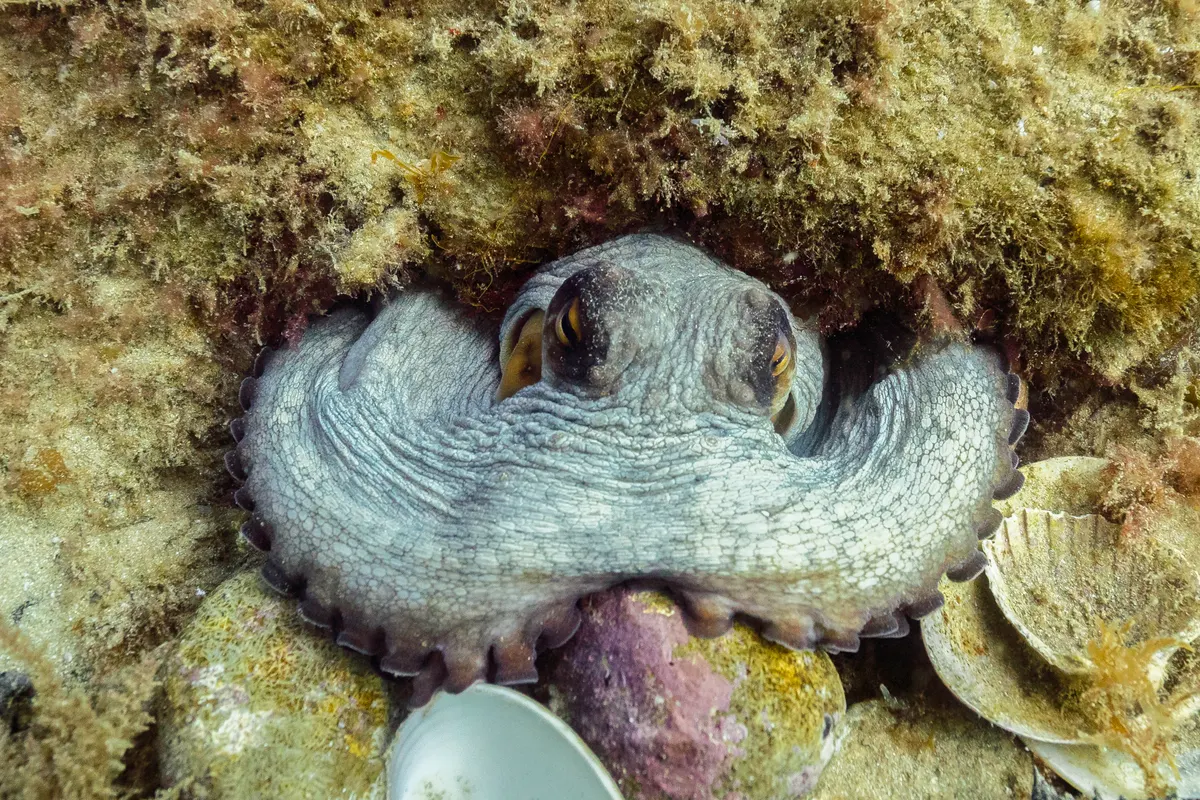
  • Common octopus and common cuttlefish hunt over rocky and sandy seabeds and hide by changing the colour and texture of their skin. Octopuses eat mostly shellfish such as crabs, clams and snails; cuttlefish feed mainly on crustaceans and fish.
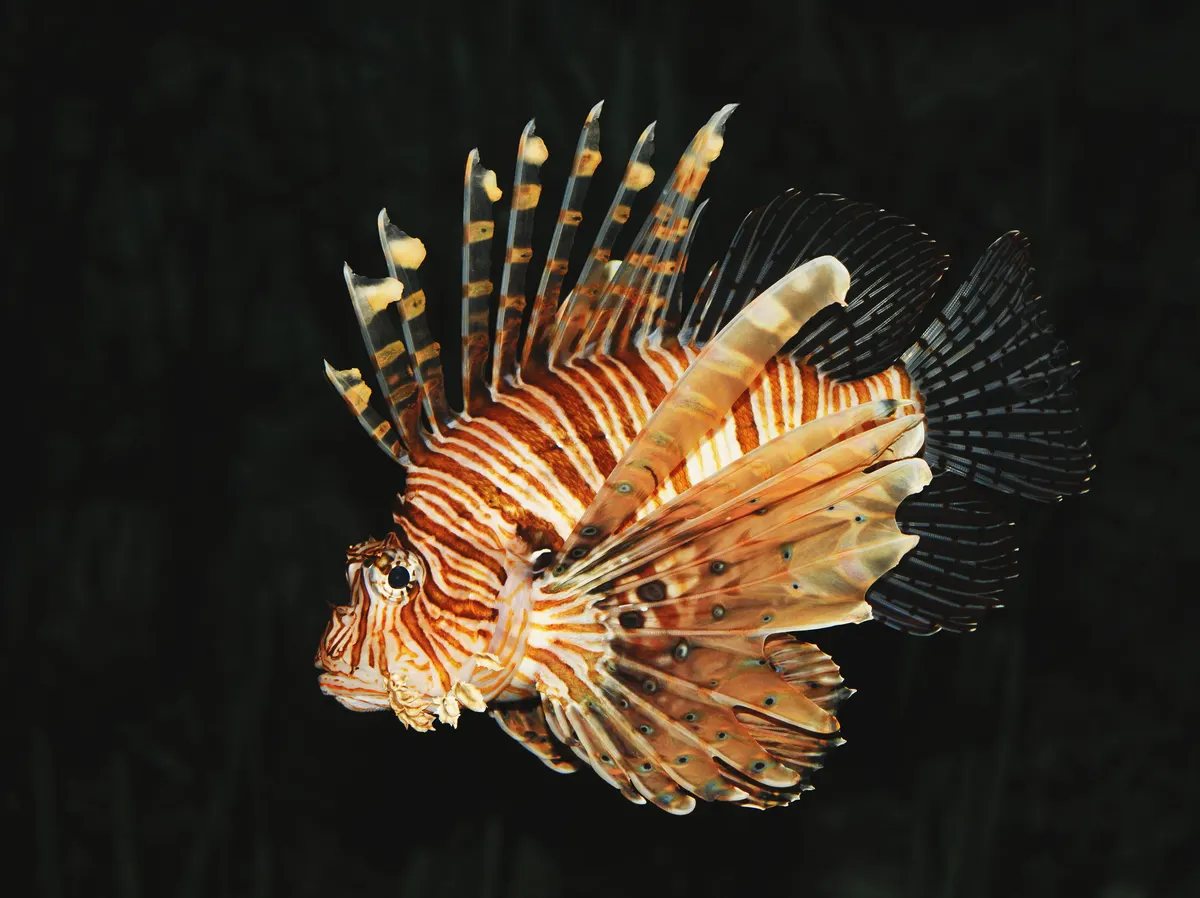
  • Red lionfish are native to the Indo-Pacific but invasive in the western Atlantic and Caribbean, where they eat more than 50 species of fish and compete for food and space with native snapper and grouper.

Open ocean: filter feeders and long-distance hunters

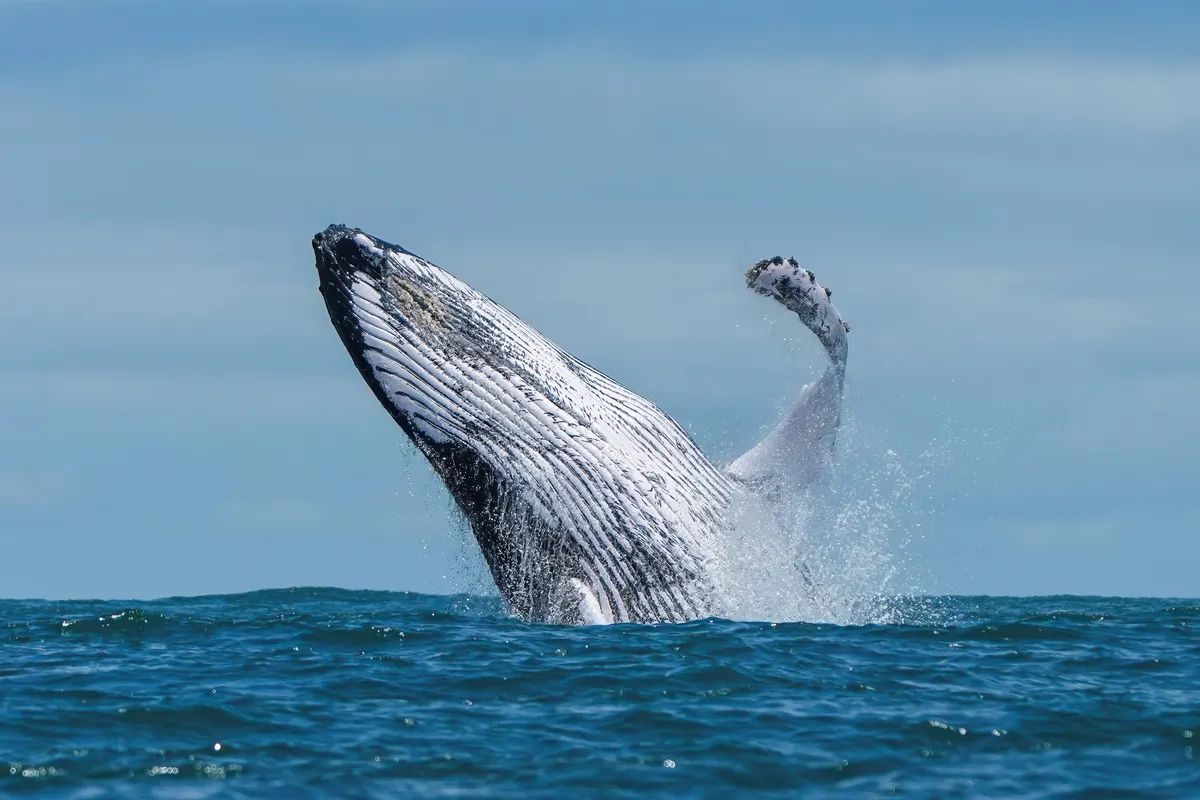
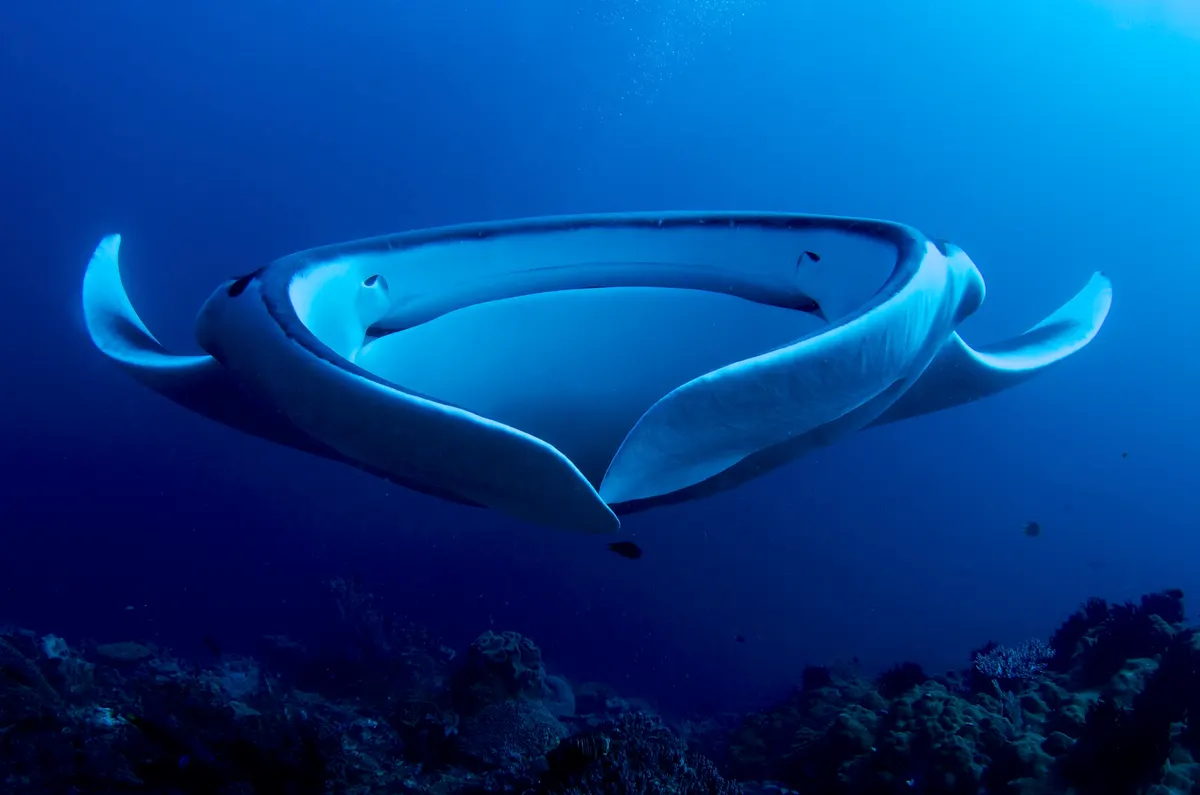
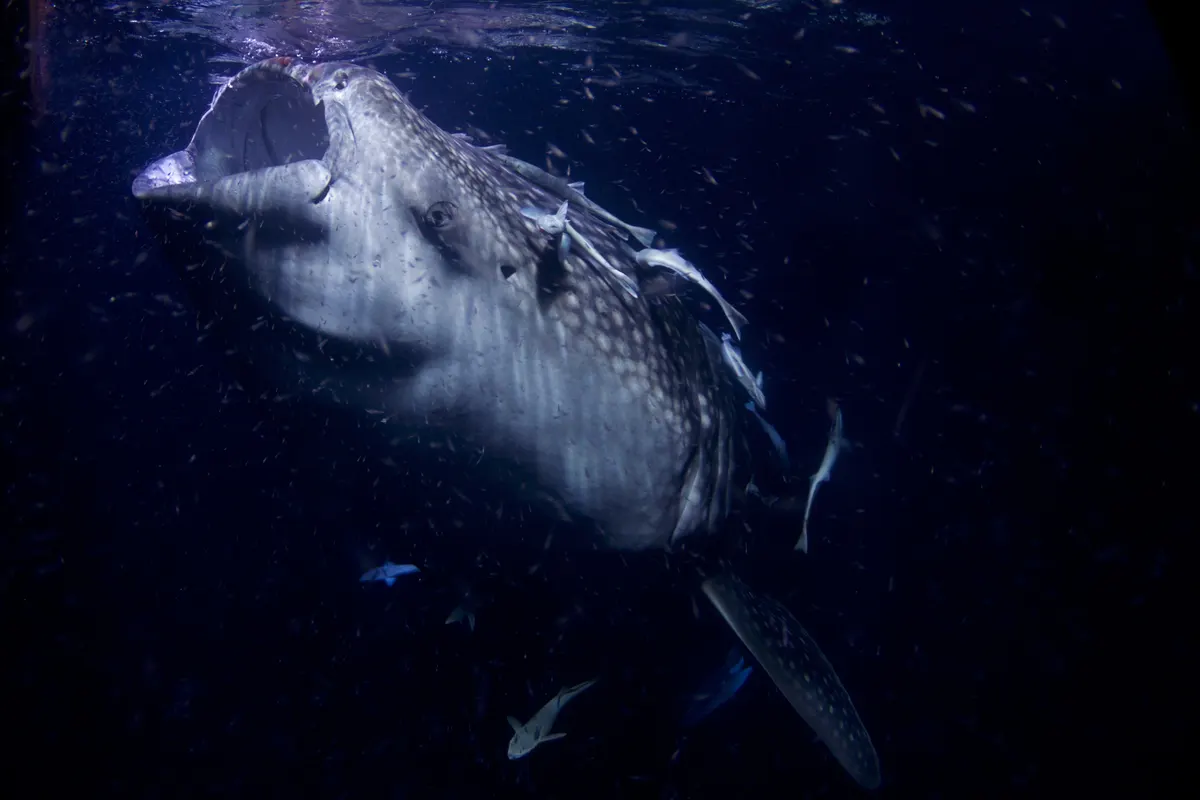
The largest animals in the open ocean feed on some of the smallest. The blue whale eats almost nothing but krill. Humpback whales strain krill and small fish through baleen, and some groups blow curtains of bubbles to concentrate prey before lunging up through it. Both are rorquals, family Balaenopteridae. The whale shark, the largest fish, can sift prey as small as 1 mm through its gill rakers, and the giant oceanic manta ray filters zooplankton. Compare the two fish in manta ray vs whale shark. The ocean sunfish feeds mainly on jellyfish, salps and other gelatinous plankton (how sunfish eat jellyfish).

The hunters work in different ways:

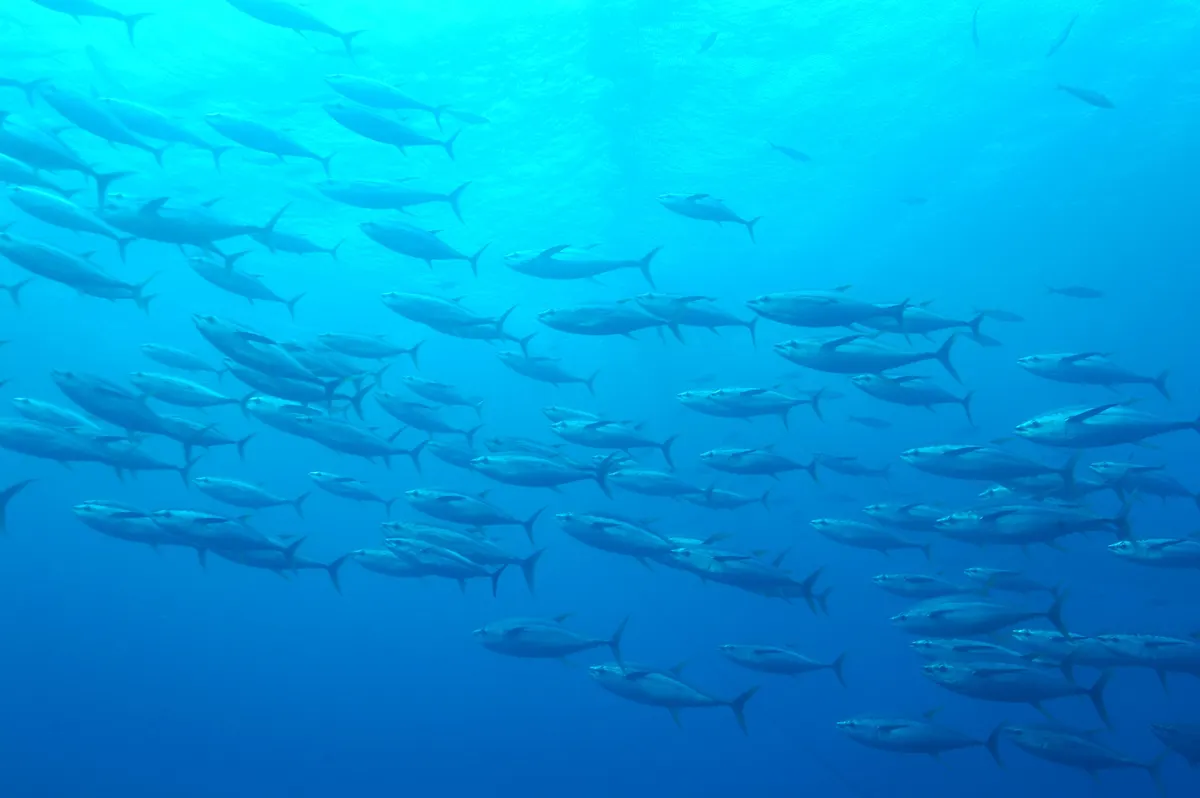
  • Yellowfin tuna migrate long distances through tropical and subtropical oceans and feed on fish, squid and crustaceans.
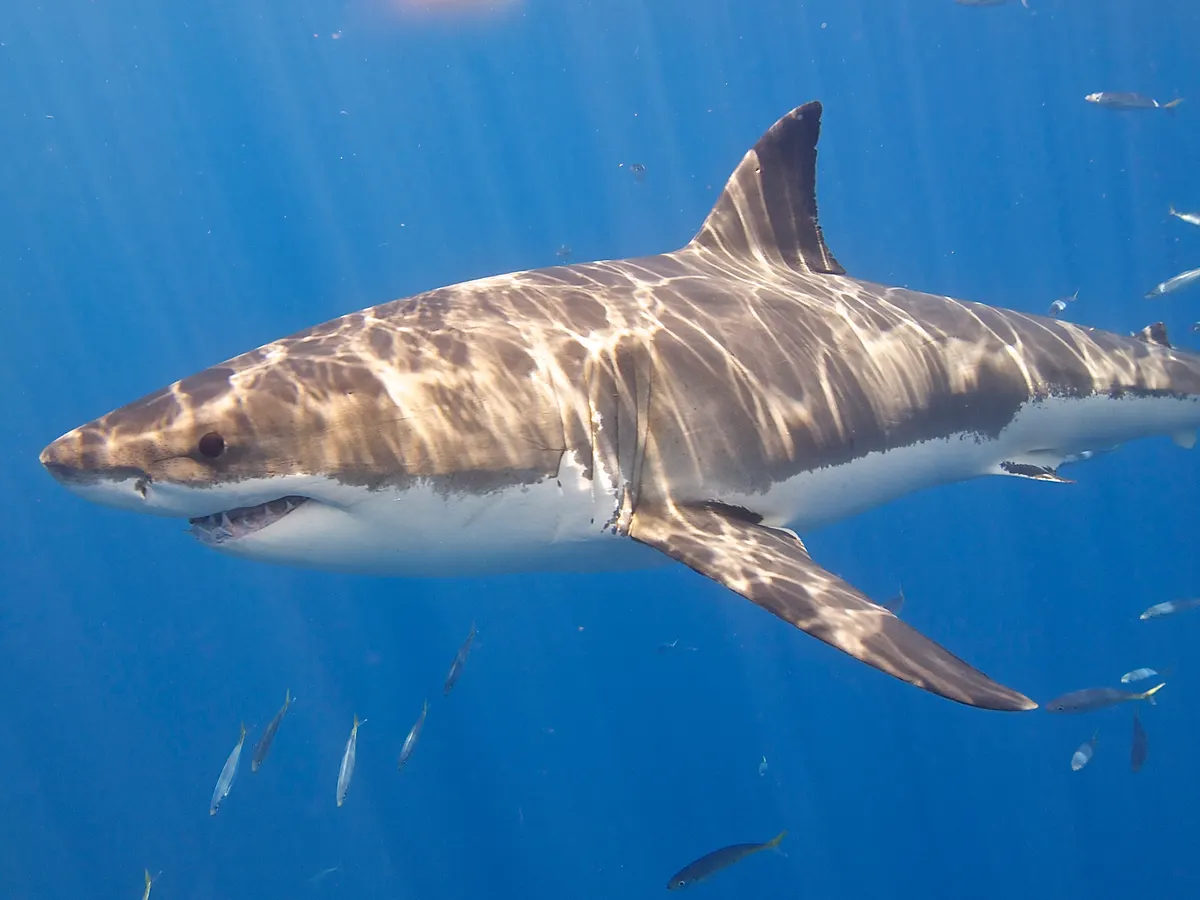
  • Great white sharks are partly warm-blooded, which lets them stay active in cooler water. Young sharks eat mainly fish, rays and smaller sharks; large adults gather around seal and sea lion colonies. See why great white sharks travel so far.
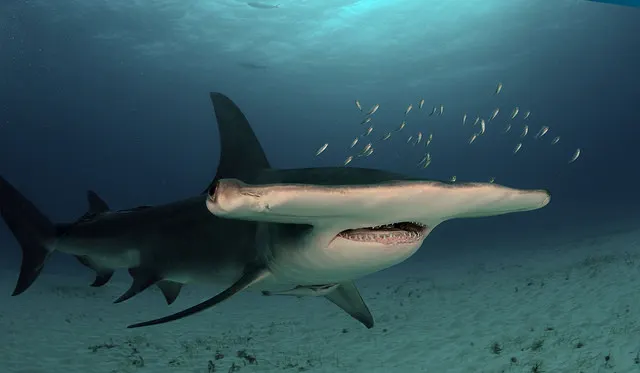
  • Great hammerheads prefer stingrays and other rays when they can find them.
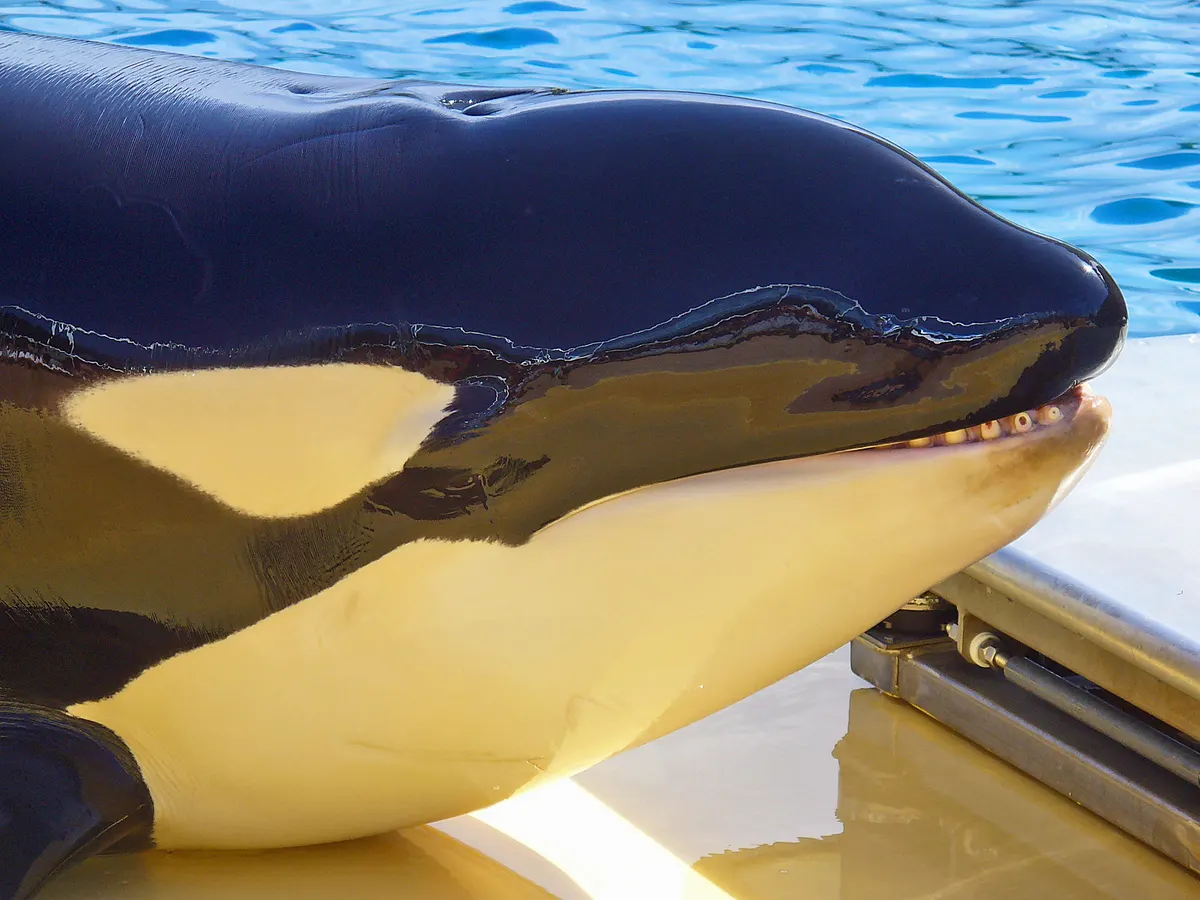
  • Orcas are the largest species in the dolphin family (Delphinidae). Populations specialise: in the U.S. Pacific Northwest, "resident" orcas eat only fish, mainly salmon, while "transient" orcas hunt mostly marine mammals. Compare them with sharks in orca vs great white shark.
  • Bottlenose dolphins find fish, squid and crustaceans by listening and by high-frequency echolocation.
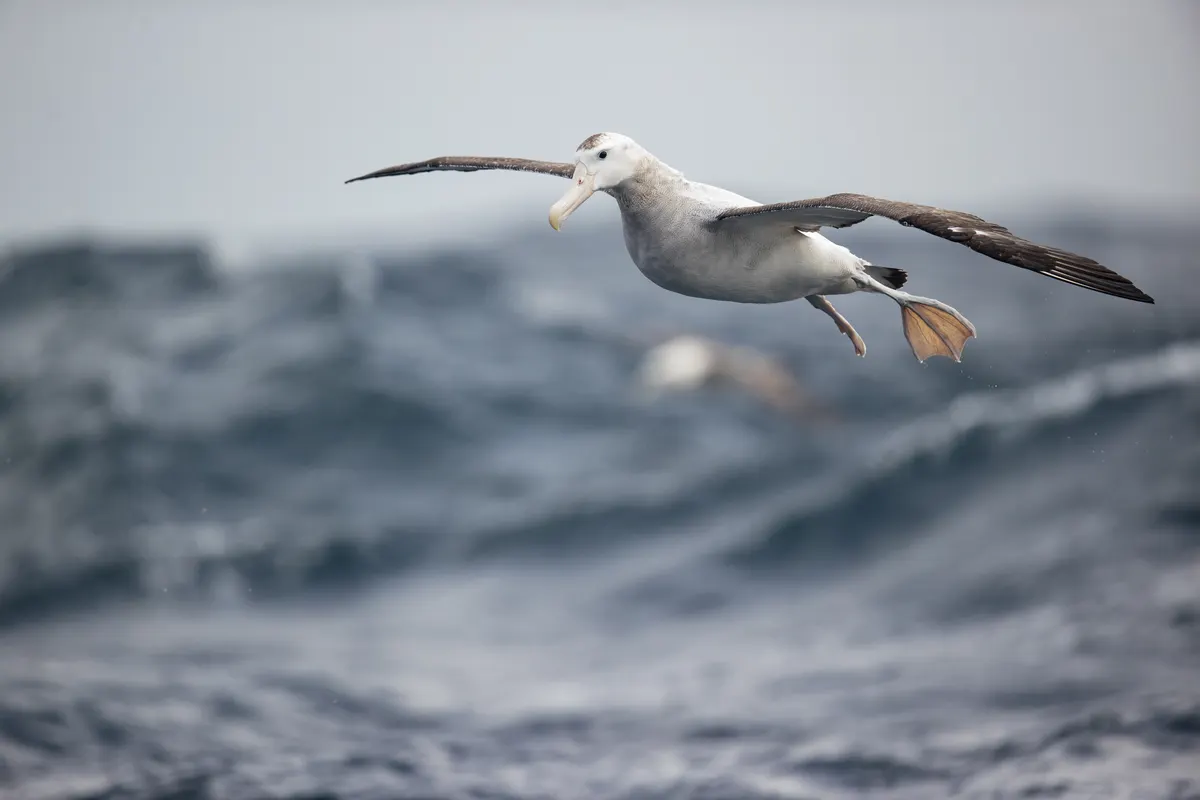
  • Wandering albatrosses have a wingspan that averages about 3.1 m (10 ft) and reaches 3.5 m (11.5 ft), probably the longest of any bird. Outside the breeding season they live only over the open ocean, taking squid and fish such as toothfish.

The deep sea and the twilight zone

Sunlight reaches only the top layer of the ocean. NOAA defines the upper 200 m (656 ft) as the sunlight zone, 200–1,000 m (656–3,280 ft) as the twilight zone, and everything below 1,000 m as the aphotic zone, where sunlight does not penetrate. Below about 200 m there is too little light for photosynthesis.

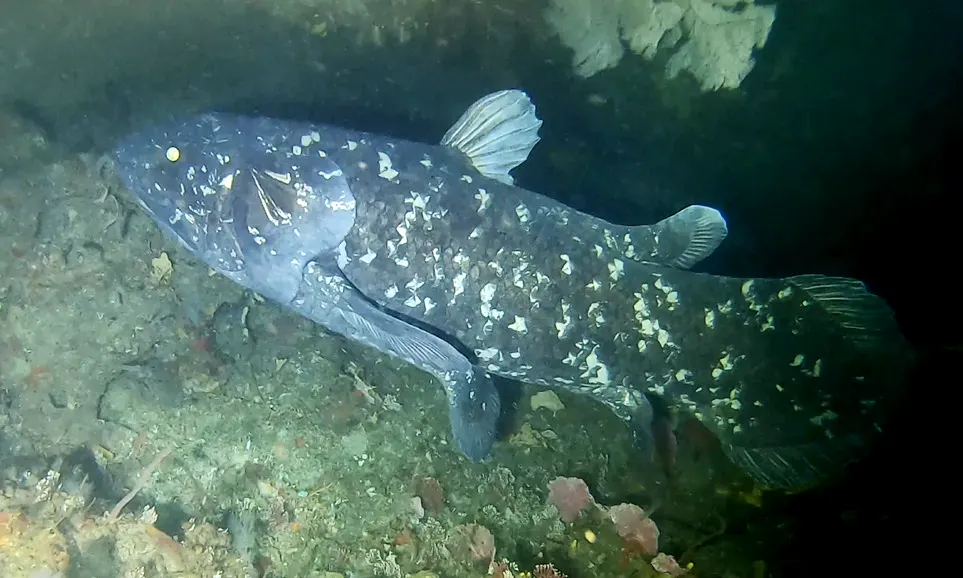
The coelacanth lives around the 200 m boundary between the sunlight and twilight zones. By day, groups rest in caves; NOAA places the Tanzanian population on limestone terraces 70–140 m (230–460 ft) deep. At night individuals have been recorded from about 70 to 700 m (230–2,300 ft), drifting alone and snapping up prey that passes close by rather than chasing it. Its fossil history is covered in why the coelacanth is called a living fossil.

Some open-ocean animals also visit deep water. Archival tags show that whale sharks can dive deeper than 1,700 m (5,600 ft), and ocean sunfish dive below the thermocline during the day to feed on jellyfish and zooplankton. This collection does not yet include animals that live permanently below 1,000 m.

Herbivores in the ocean: which animals eat plants or algae?

Ocean herbivores include the green sea turtle, reef fish such as parrotfish and surgeonfish, and Antarctic krill and other zooplankton that eat phytoplankton. Near the shore, manatees, dugongs and marine iguanas also eat plants or algae.

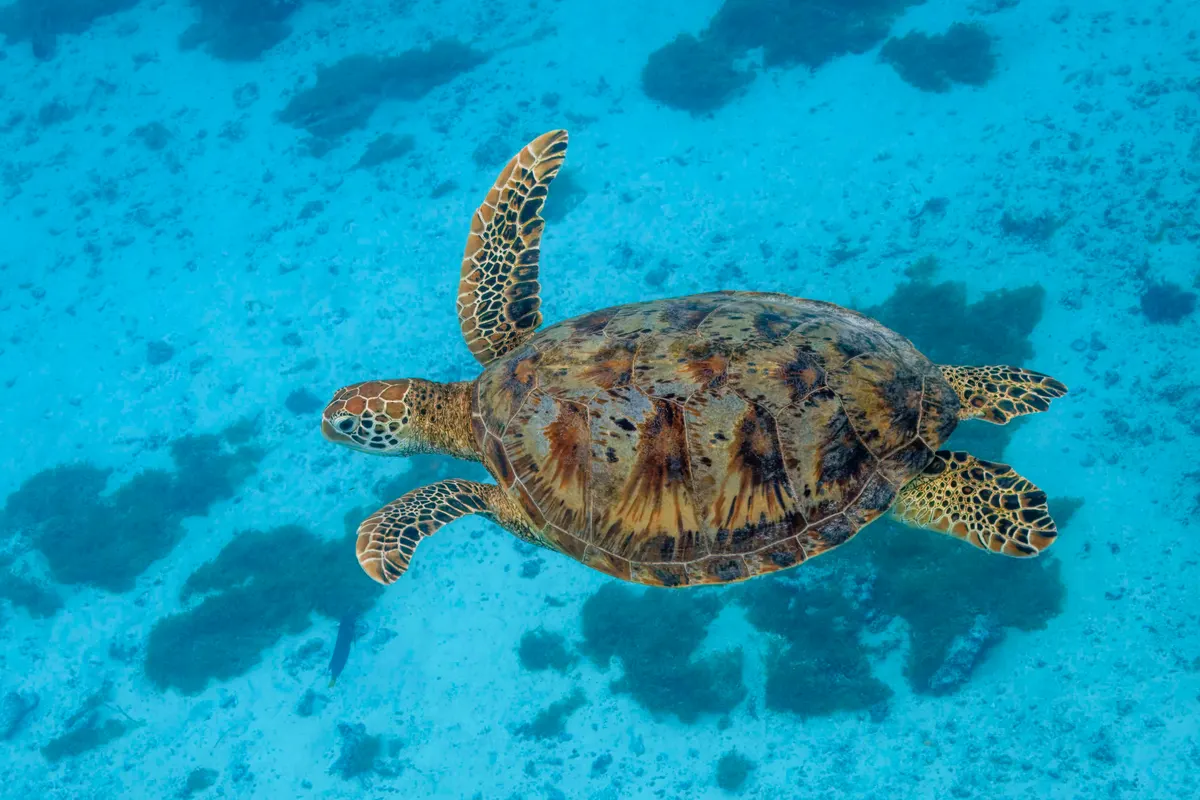
Among the 24 ocean profiles here, the green sea turtle is the only herbivore. NOAA describes it as the only herbivorous species of sea turtle, with a diet of mainly algae and seagrasses. Young green turtles in the open ocean eat both plant and animal life from drifting communities such as Sargassum.

Other plant- and algae-eaters in the sea:

  • Reef grazers. Parrotfish scrape algae off reef rock with beak-like mouths, and surgeonfish, called the "sheep of the reef", graze the upper parts of algae. Because seaweed competes with corals for space, these grazers help keep room open for coral.
  • Krill and other zooplankton. Phytoplankton, microscopic algae that need sunlight to grow, form the base of several ocean food webs. Antarctic krill filter phytoplankton, rely heavily on algae growing on sea ice in winter, and are considered the dominant herbivore of the Southern Ocean. Blue whales, humpbacks, whale sharks and mantas eat these grazers, so they are classed as carnivores even though their food chain is short.
  • Omnivores that eat algae. Clownfish eat algae as well as zooplankton. Guineafowl pufferfish take some algae along with coral tips and sponges, and ocean sunfish occasionally eat seaweed.
  • Coastal herbivores. Manatees eat seagrasses and other aquatic plants in coastal waters, marshes and rivers, for up to 8 hours a day. Dugongs feed mainly on seagrass in shallow, sheltered bays, and Galápagos marine iguanas feed almost entirely on marine algae. They are covered in the coastal animals hub and in dugong vs manatee.

For plant-eaters in every habitat, see herbivores. Most ocean species here are listed under carnivores, with clownfish, Moorish idols, pufferfish and sunfish under omnivores.

What threatens ocean animals?

The main threat differs from species to species:

  • Sharks and rays caught for trade. Great hammerhead fins are highly valued in the Asian fin trade, and the species is also caught on longlines and in gillnets. The Florida Museum puts mortality among caught great hammerheads above 90 percent. Giant manta rays are fished for their gill plates, which are traded internationally, and are caught as bycatch; a female typically has one pup every two to three years, so losses are slow to replace. Whale sharks are docile and have very limited defences, which has made them easy to exploit, and they are also injured by boats and propellers.
  • Bycatch. Fishing gear catches animals that were not the target: wandering albatrosses in commercial fisheries, green turtles and bottlenose dolphins in commercial and recreational gear, and coelacanths in gillnets and deep-water fisheries close to shore. Ocean sunfish made up 29 percent of the catch in southern California's drift-gillnet fishery for swordfish.
  • Ship strikes and entanglement. NOAA names these as the primary current threats to blue whales, and both also injure or kill humpbacks. Commercial whaling reduced most humpback populations by more than 95 percent, and blue whales have been fully protected from it since 1966. NOAA reports that blue whale populations are now increasing globally and humpbacks are increasing through much of their range.
  • Warming water. When water gets too warm, corals expel the algae living in their tissues and turn white. Bleached corals can recover, but prolonged stress kills them. The 2014–2017 global bleaching event affected 70 percent of coral reef ecosystems, and in April 2024 NOAA confirmed a fourth global bleaching event, the second in 10 years. For green turtles, warmer nesting beaches can kill eggs and change the ratio of male to female hatchlings.
  • Collection for trade. Large numbers of wild seahorses are taken for traditional medicine, the aquarium trade and curios, and loss of seagrass, mangroves and reefs removes the places where they hold on and feed.
  • Fishing pressure that varies by region. NOAA reports that Pacific yellowfin tuna stocks are not overfished, while IUCN notes that yellowfin remains overfished in the Indian Ocean.

Sources

Common Questions

FAQ about Ocean Animals

Select a question to reveal the answer.

What is the largest animal in the ocean?

The blue whale is the largest animal on Earth, reaching about 30 m (100 ft) and 150 tonnes (330,000 lb). The largest fish is the whale shark. Both are filter feeders that live on tiny prey; why blue whales are so big explains how that diet supports such size.

What animals are herbivores in the ocean?

The green sea turtle is the only herbivorous sea turtle; it eats mainly algae and seagrasses. Parrotfish and surgeonfish graze algae on coral reefs, and Antarctic krill and other zooplankton eat phytoplankton. Near the shore, manatees, dugongs and marine iguanas are also herbivores (see coastal animals).

What animals live in the deep sea?

Below 1,000 m (3,280 ft) no sunlight reaches the water. The coelacanth lives above that level: it rests in caves around 200 m (660 ft) by day and has been recorded between about 70 and 700 m (230–2,300 ft) at night. Open-ocean species such as the whale shark dive into deeper water, past 1,700 m (5,600 ft).

What is the difference between ocean and coastal animals?

Ocean animals can live their whole lives away from the shore, in open water or on reefs and seabeds. Coastal animals depend on the shoreline or the shallow water beside it for feeding, resting or breeding. Some species use both: the wandering albatross breeds on islands, but outside the breeding season it lives only over the open ocean.

Keep reading

Questions and comparisons

Short answers and side-by-side comparisons about animals in this hub.

Measured spread

How much this hub varies

Computed from the 24 species listed here, using the published figure on each profile.

MeasureSmallest listedLargest listed
Body mass (adult max)Seahorse14.17 gBlue Whale165 t
Body length (max)Mandarinfish9.1 cmBlue Whale30.48 m
Lifespan in the wild (max)Common Cuttlefish2 yrWhale Shark100 yr
IUCN status across the hub
14 Least Concern · 4 Vulnerable · 3 Endangered · 2 Critically Endangered · 1 Data Deficient
Habitats represented
Ocean (24)

Keep exploring

Related hubs

Same cluster, different angle — open a diet or habitat hub to compare species side by side.