
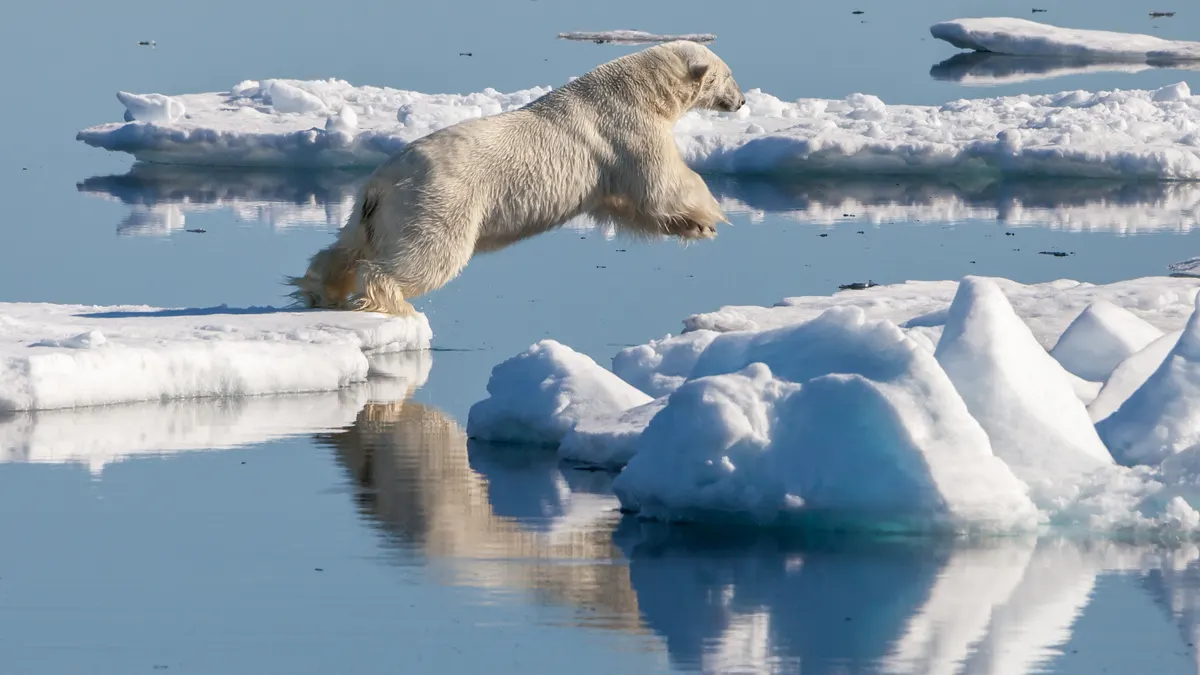
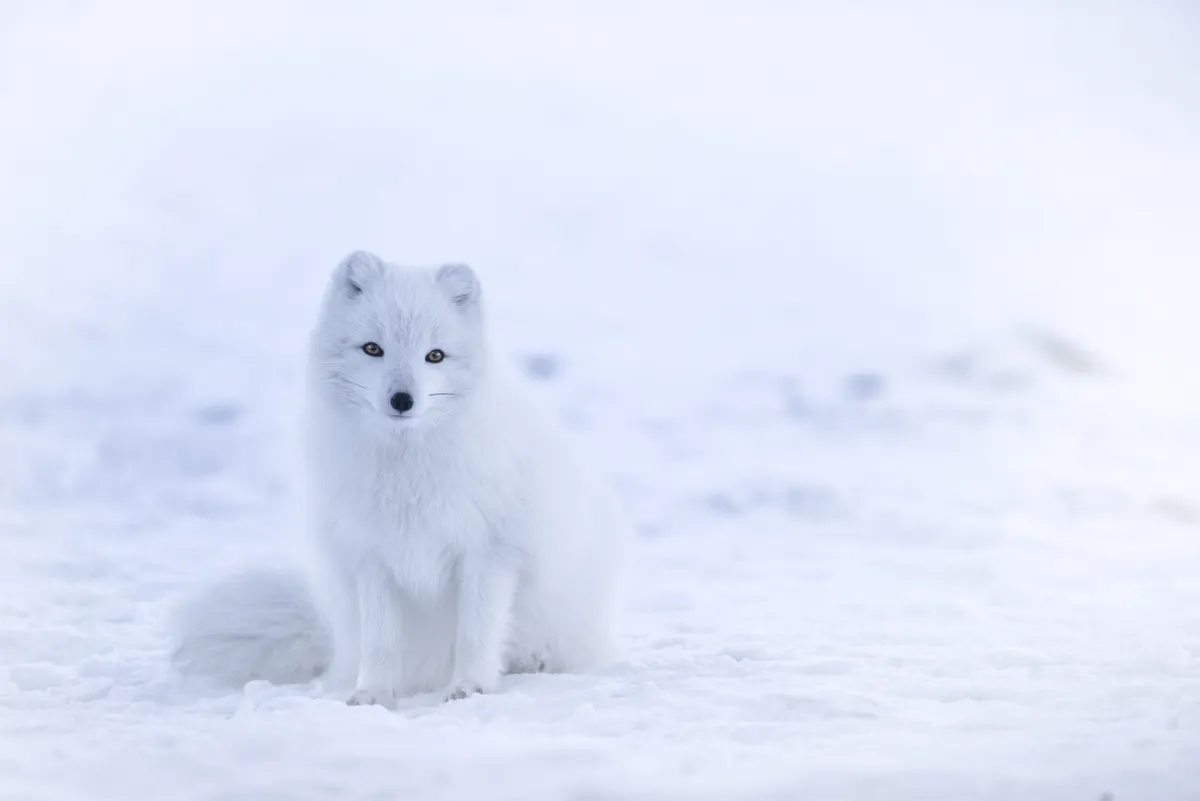

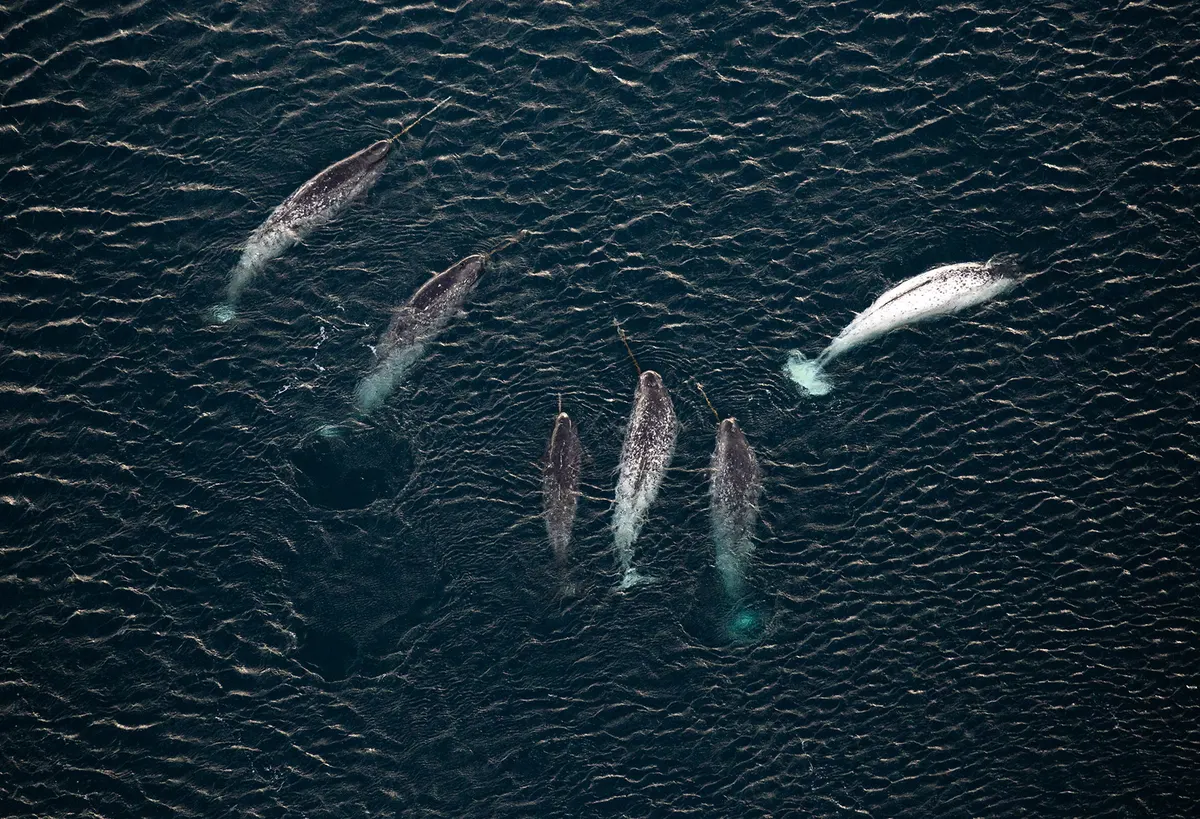
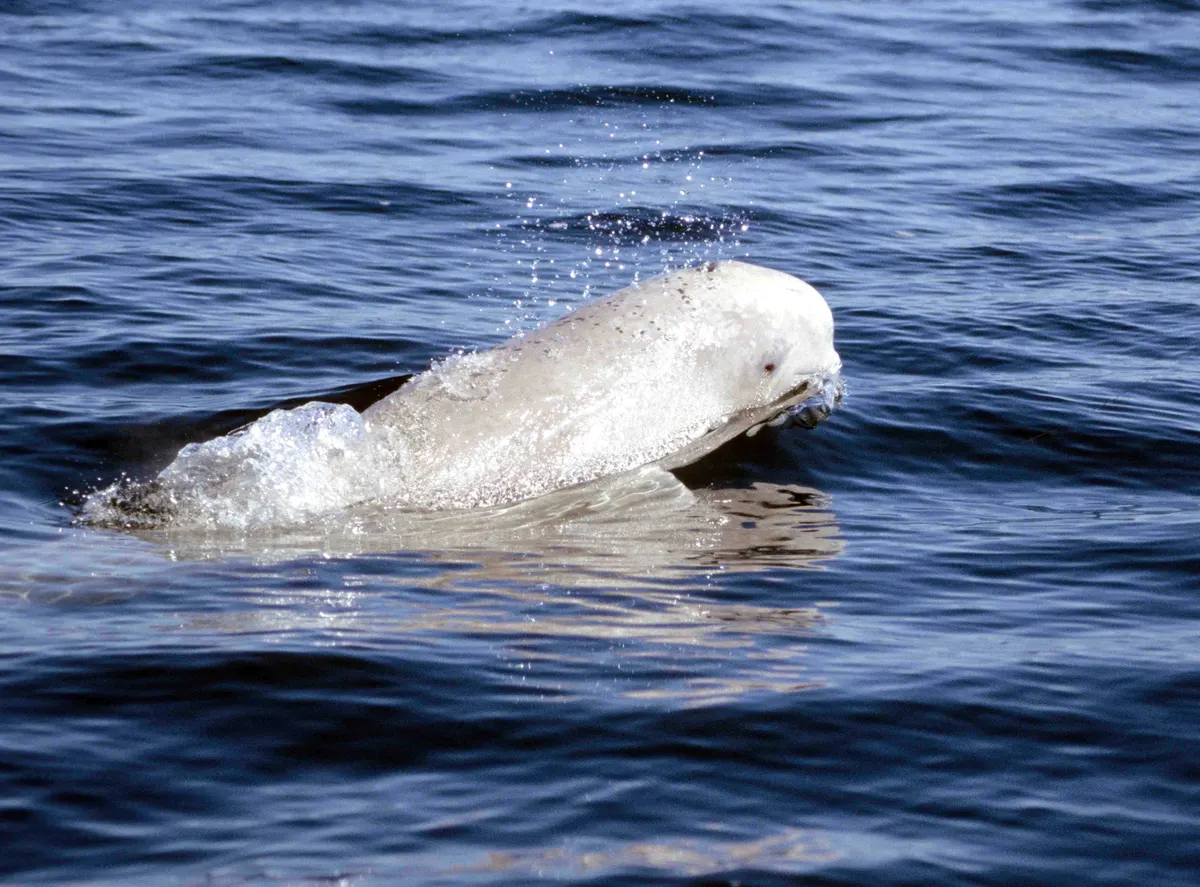
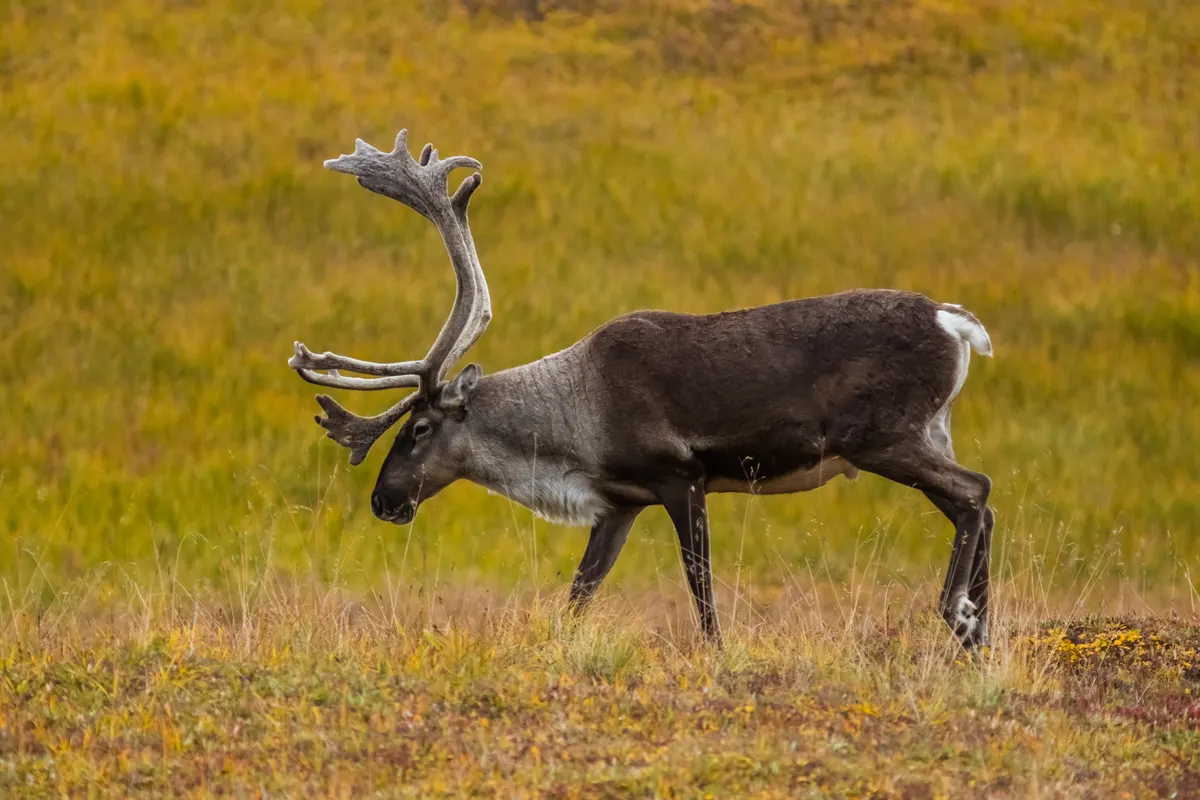
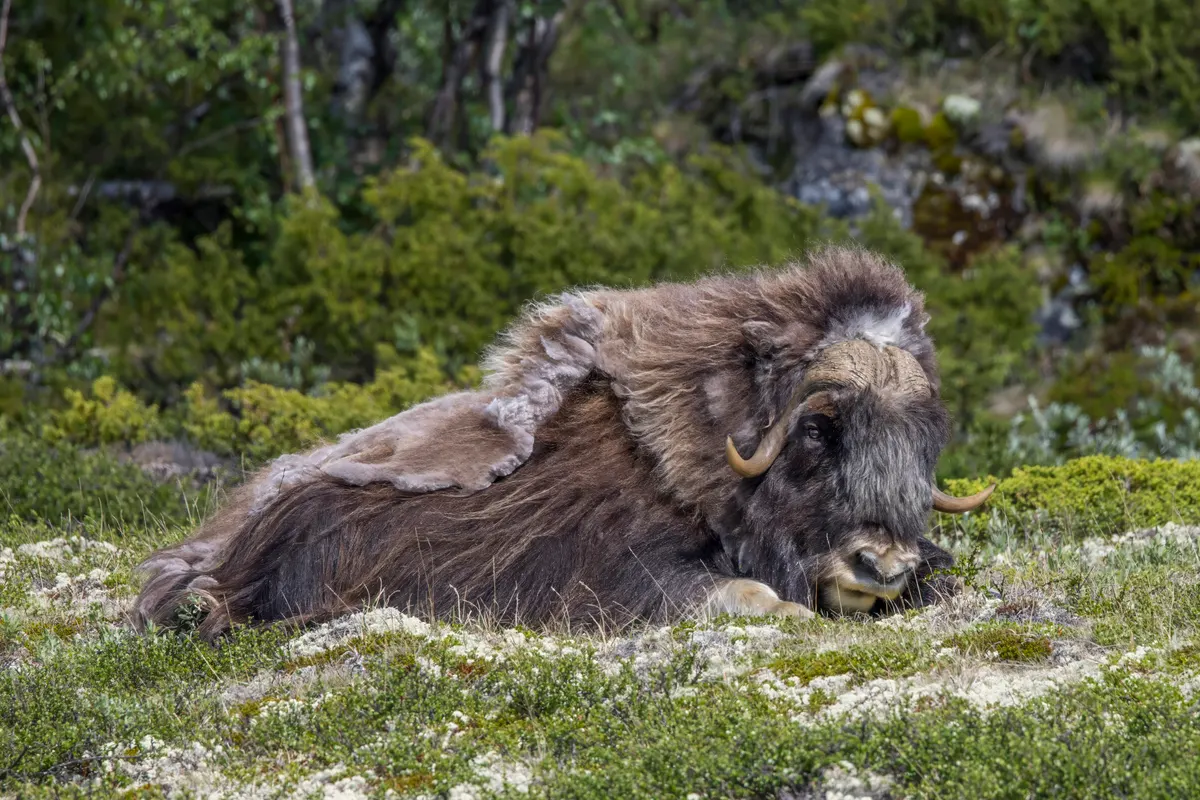
The Arctic is an ocean surrounded by land, while Antarctica is a continent surrounded by ocean. That layout shapes which animals live at each pole. Around the Arctic Ocean, the tundra of North America, Greenland, Europe and Asia supports land mammals such as caribou, musk oxen and arctic foxes, while polar bears hunt on the sea ice offshore.
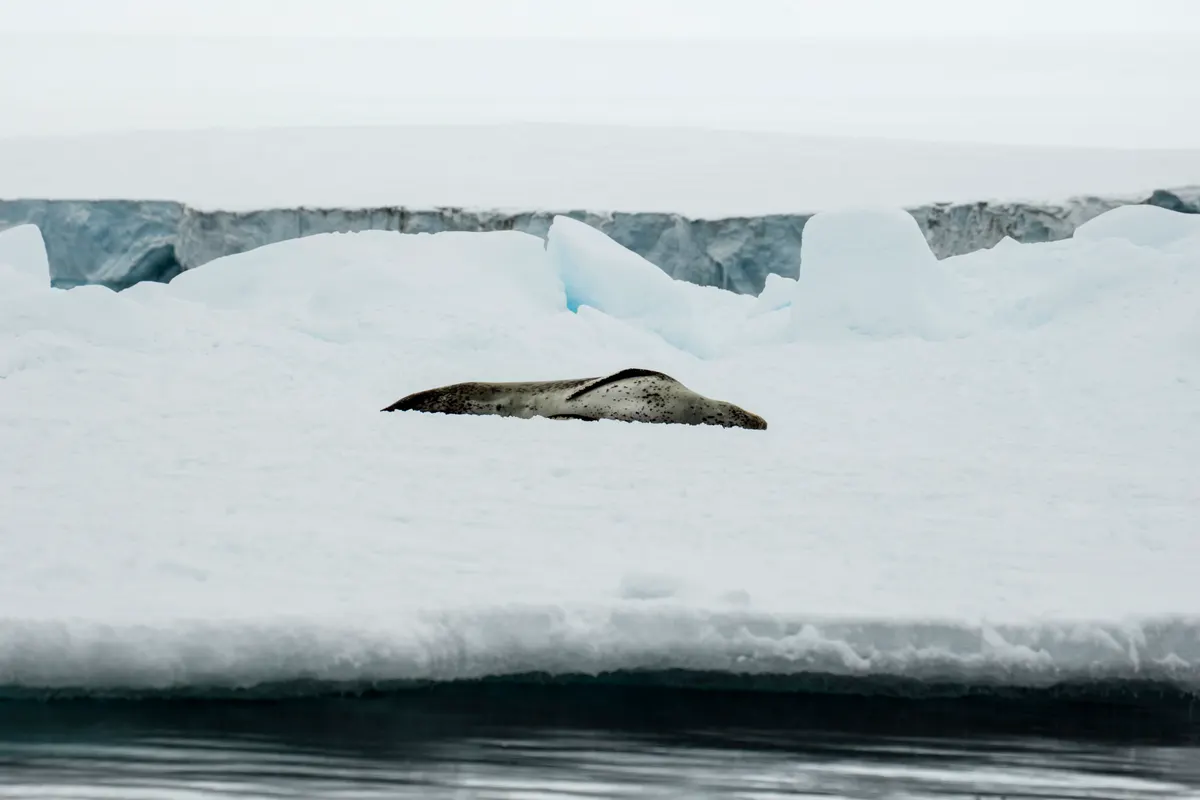
Antarctica has no counterpart to those land mammals and no land predators. According to National Geographic, its largest land animal is a wingless midge, Belgica antarctica, whose adults live about a week, and the Australian Antarctic Program notes that land invertebrates are the most species-rich animal group there. Antarctica's larger animals are marine: penguins and seals feed in the Southern Ocean and use the ice or the coast to rest and breed.
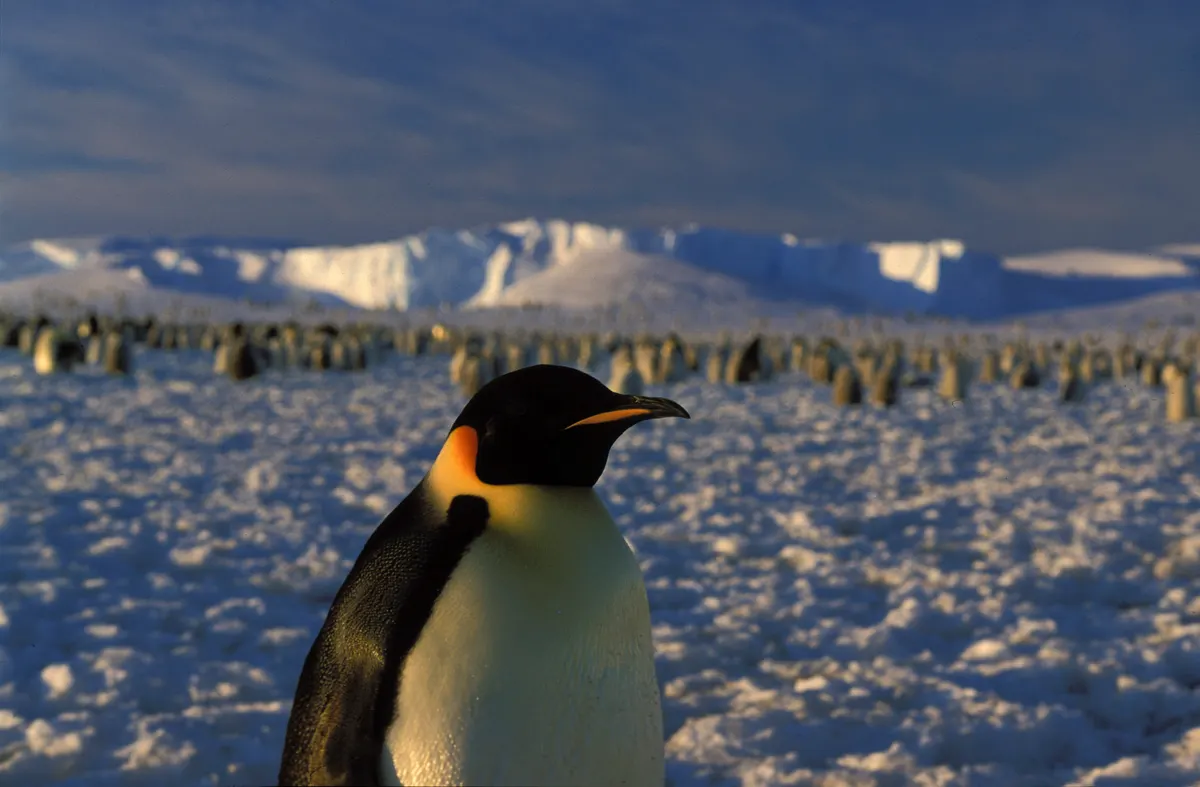
Most penguin species do not live in Antarctica. Of the 18 penguin species, five live in Antarctica and four more on sub-Antarctic islands; the rest breed on other Southern Hemisphere coasts and islands, as far north as the Galápagos. The Antarctic species concentrate on the coast — Adélie penguins, for example, breed on exposed rock around the continent's edge — and there are no penguins at the South Pole itself.
The seasons run in opposite directions. The Arctic melt season usually lasts from March to September, while Antarctic sea ice melts from September to March. Antarctic sea ice is often much thinner than Arctic ice and tends to melt almost completely each southern summer.