
Omnivore Animals

Diets hub

Omnivore Animals

Omnivores eat plants and animals. Examples include raccoons, grizzly bears, chimpanzees, warthogs and ostriches. See what each eats and which live on savannas.

Species listed
34
Diet mix
34 omnivore
Updated
November 2026

34 species across forest, ocean, savanna habitats

Overview

What animals are omnivores?

Omnivores are animals that regularly eat both plant and animal food. Examples include raccoons, grizzly bears, chimpanzees, orangutans, red pandas, common warthogs, honey badgers, ostriches, emus, toucans, peafowl, clownfish and coconut crabs. Humans are omnivores too. On the African savanna, examples include common warthogs, honey badgers, ostriches, olive baboons and black-backed jackals.

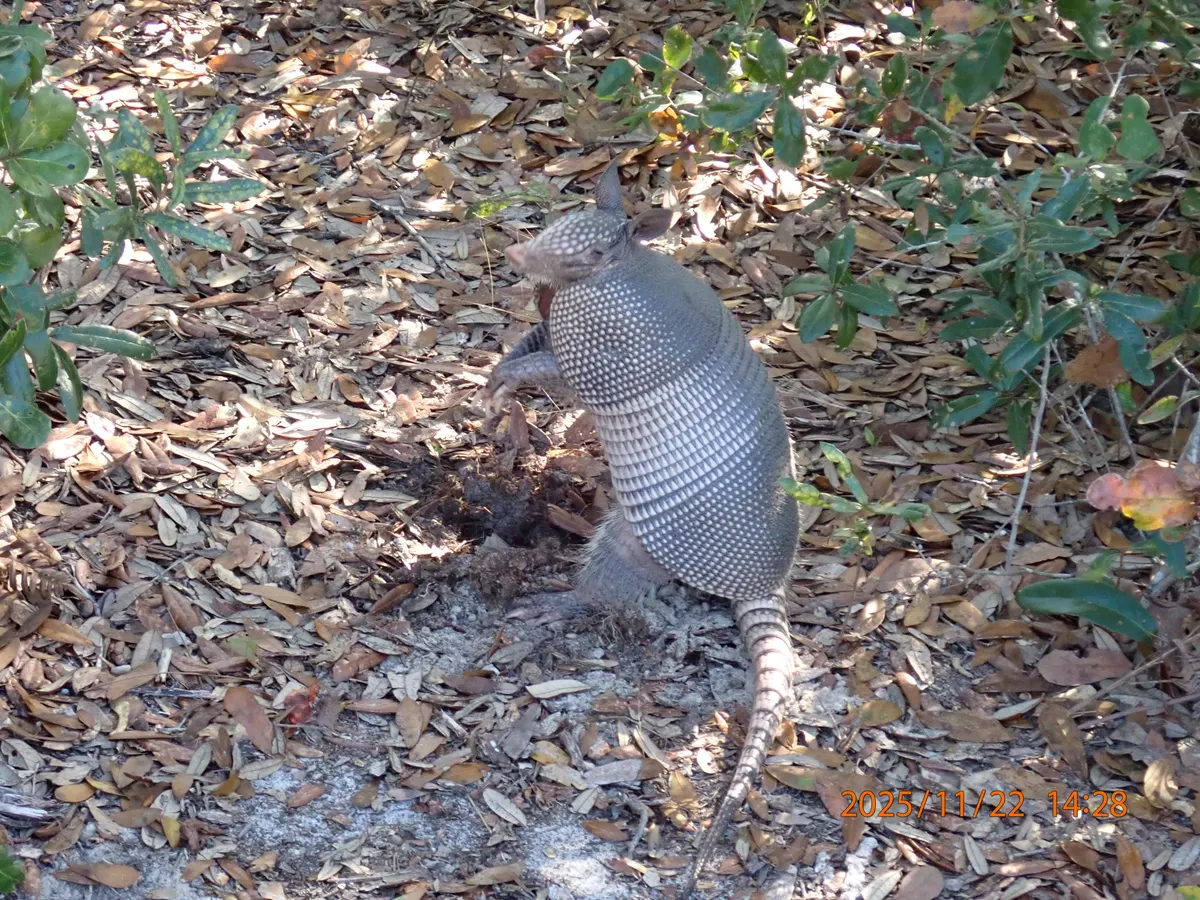
"Omnivore" does not mean an even split. A warthog eats mostly grass, an armadillo eats mostly insects and other invertebrates, and a grizzly bear changes its menu with the season. The table shows what some of the omnivores on this site eat; each profile has the full food list.

AnimalPlant foodsAnimal foods
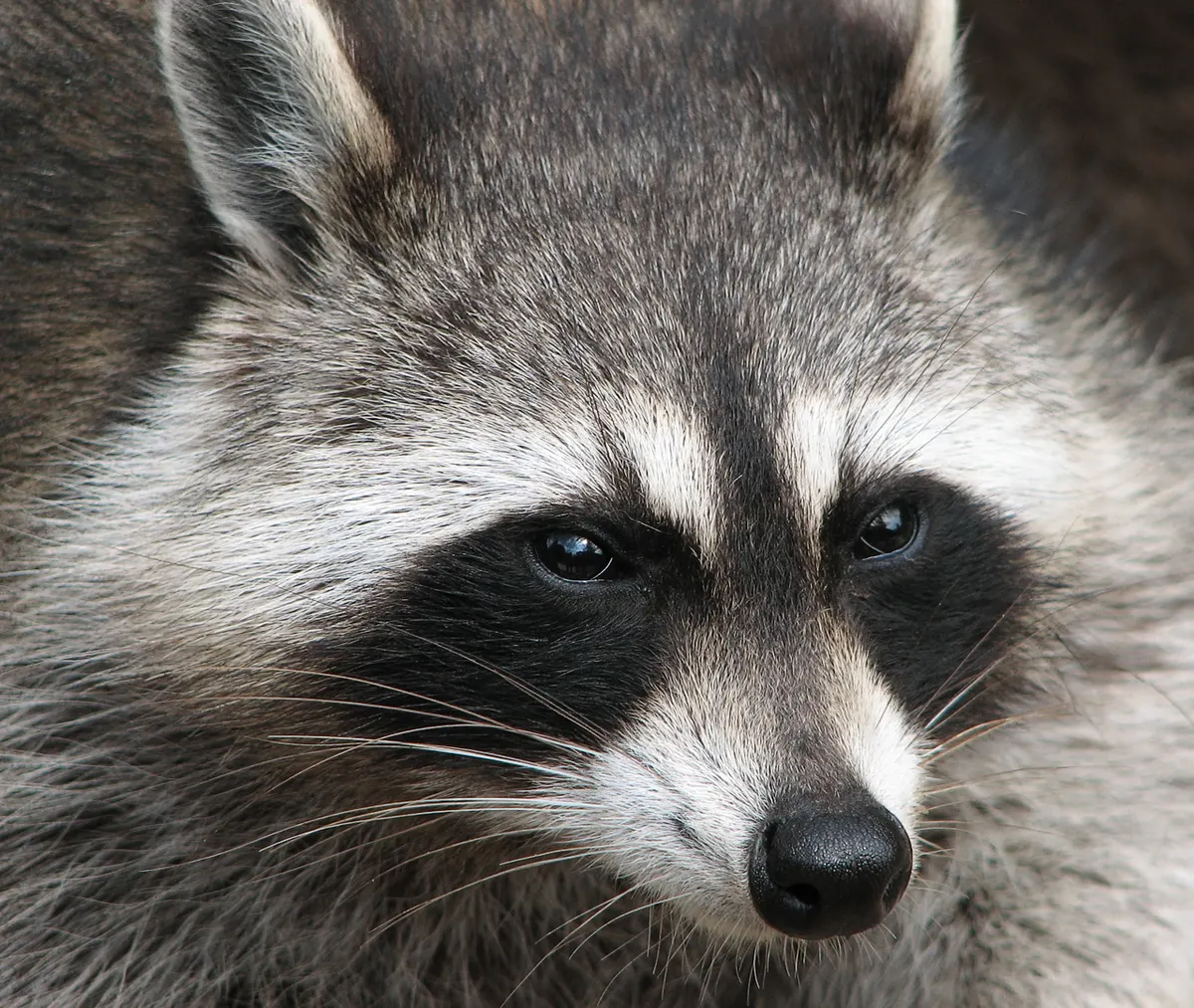
RaccoonFruit, nuts, acorns, cornCrayfish, insects, frogs, fish, bird eggs
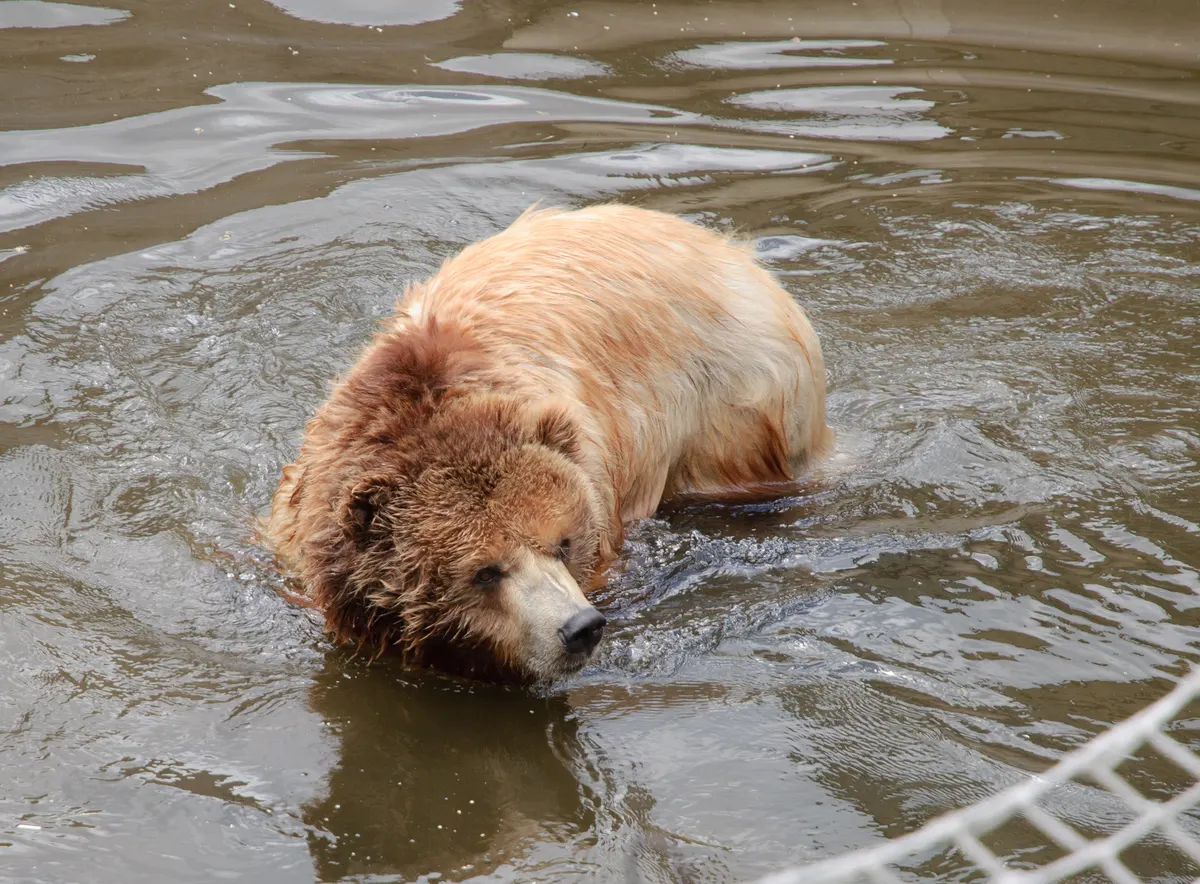
Grizzly bearGrasses, roots, berries, pine seedsMoths, fish, rodents, hoofed mammals
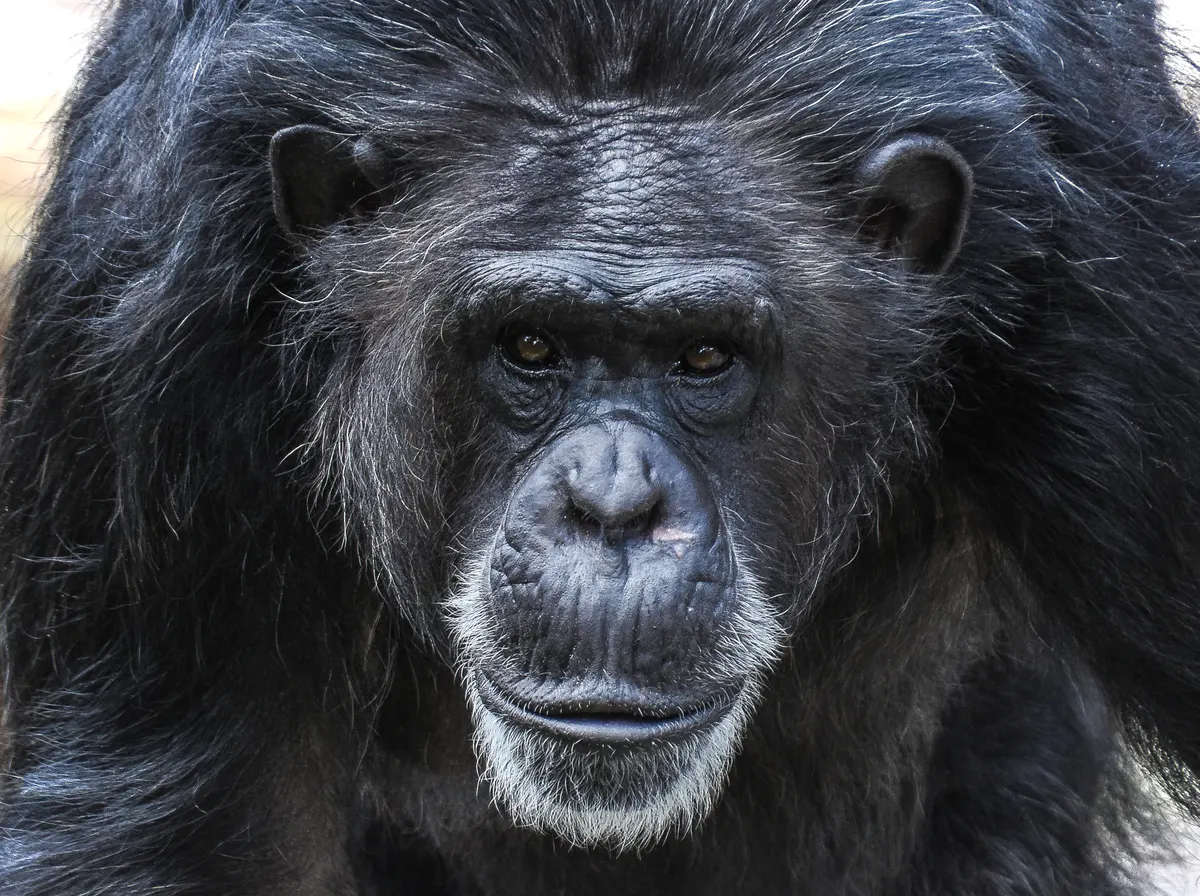
ChimpanzeeRipe fruit, young leaves, seedsTermites, ants, eggs, monkeys and other small vertebrates
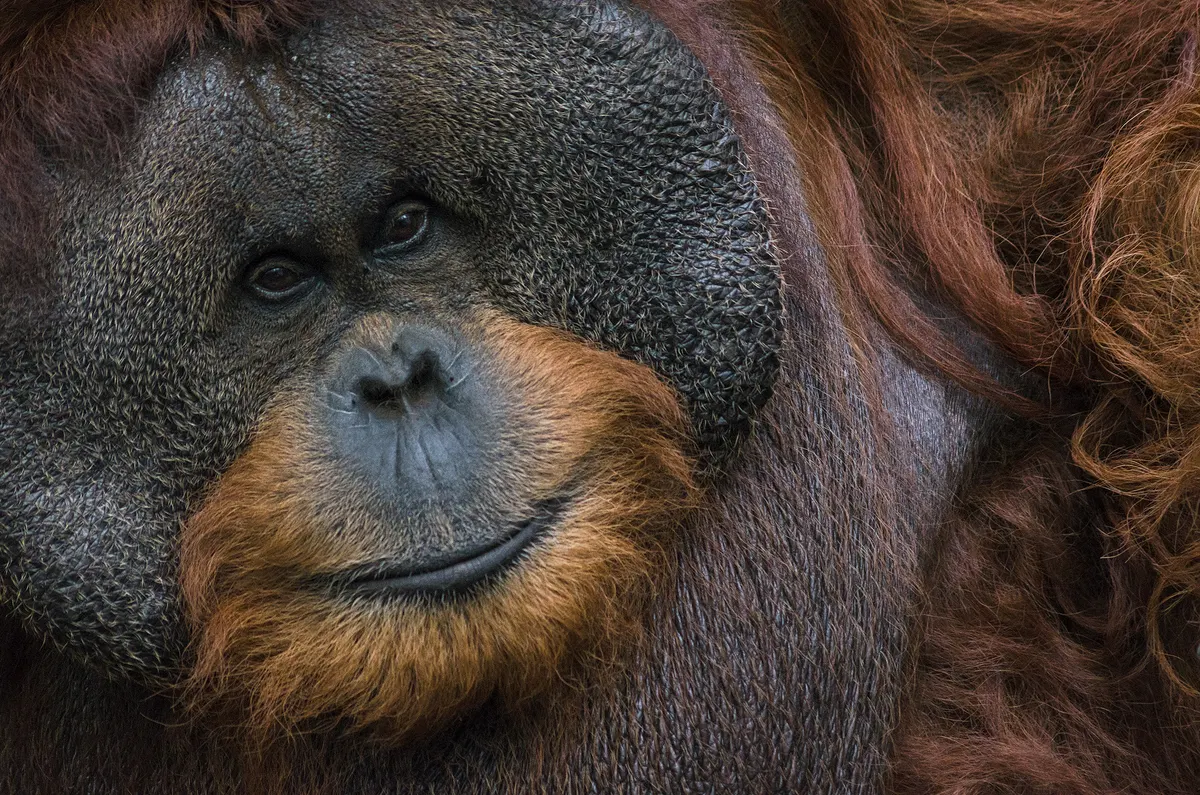
OrangutanMostly fruit; also leaves, inner bark, flowersInsects, occasionally bird eggs
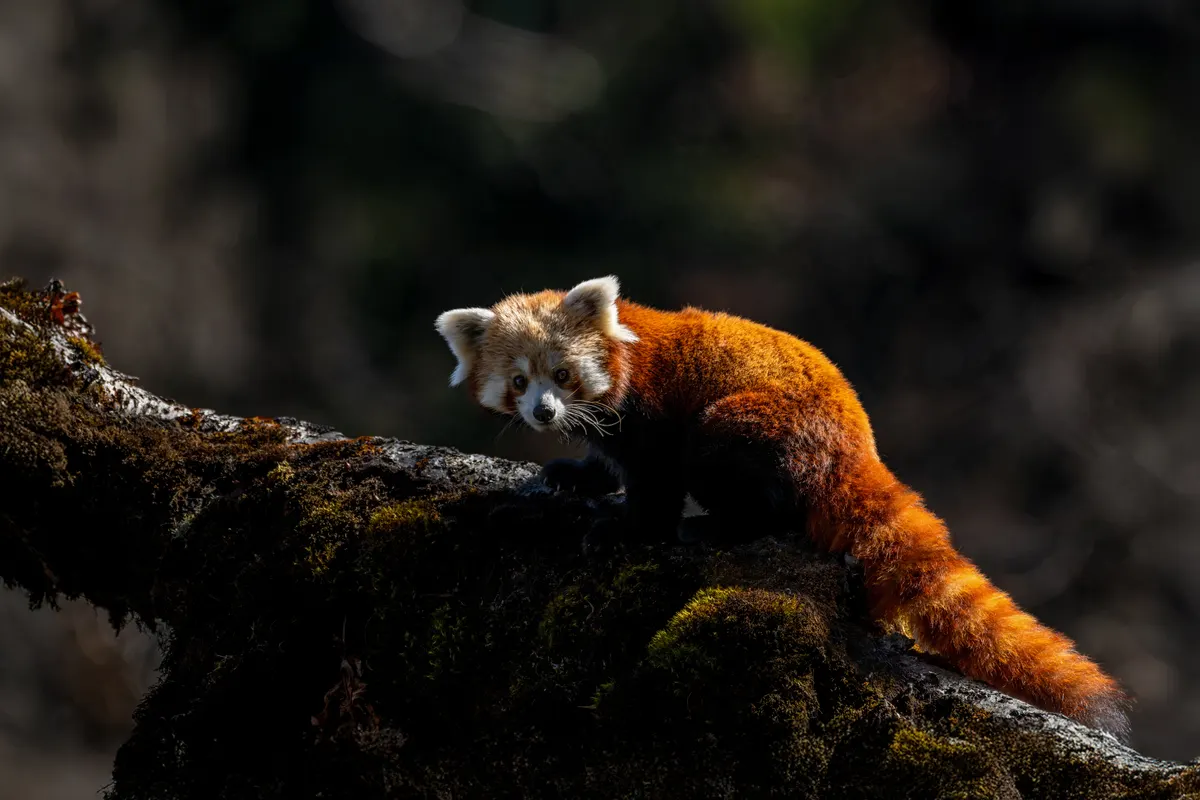
Red pandaMostly bamboo; also fruit, roots, grassesInsects, grubs, occasionally eggs or small animals
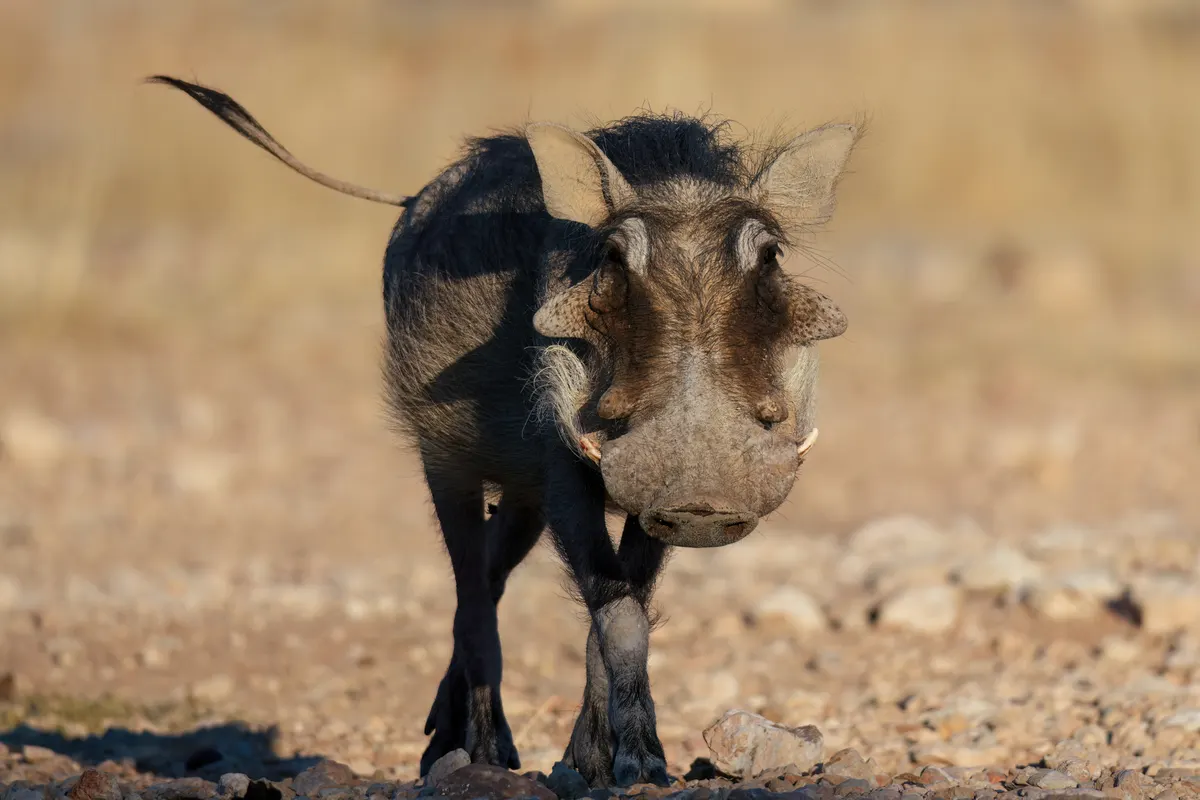
Common warthogShort grasses, rhizomes, bulbs, roots, berries, barkOccasional carrion
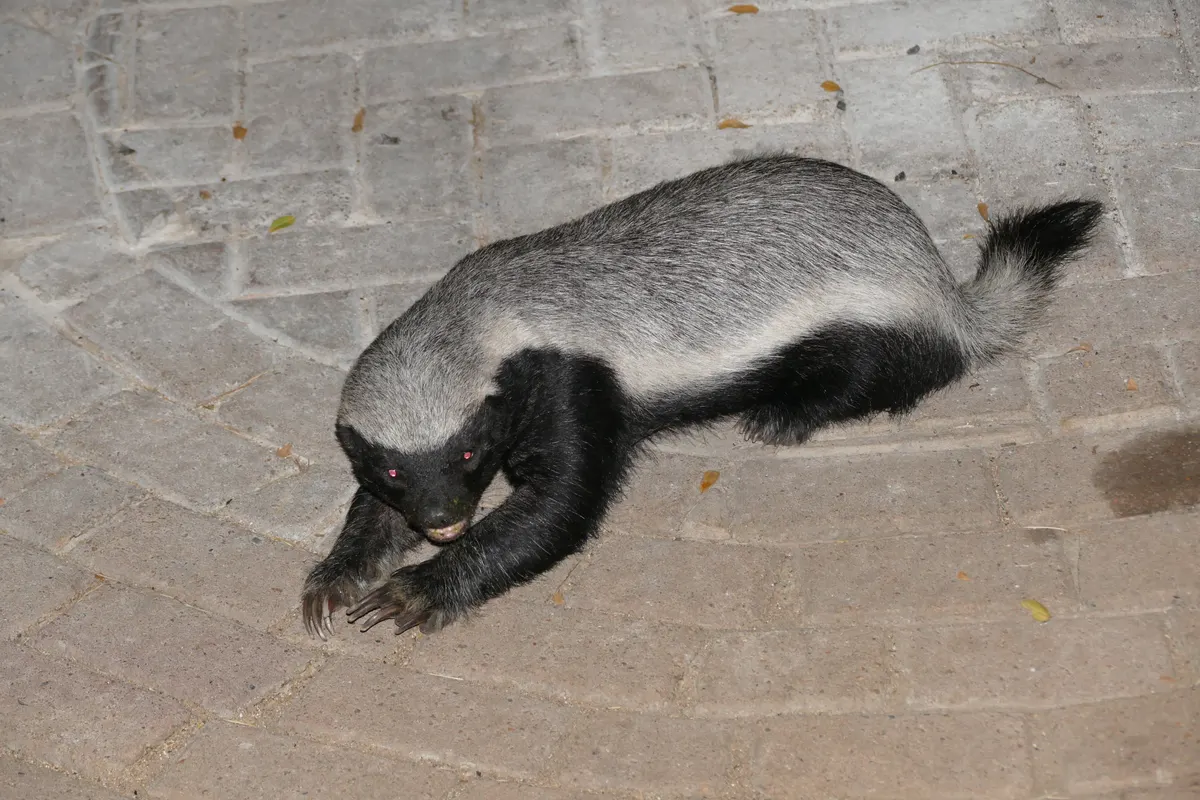
Honey badgerFruit, roots, bulbsRodents, snakes, birds, eggs, frogs, bee larvae and honey
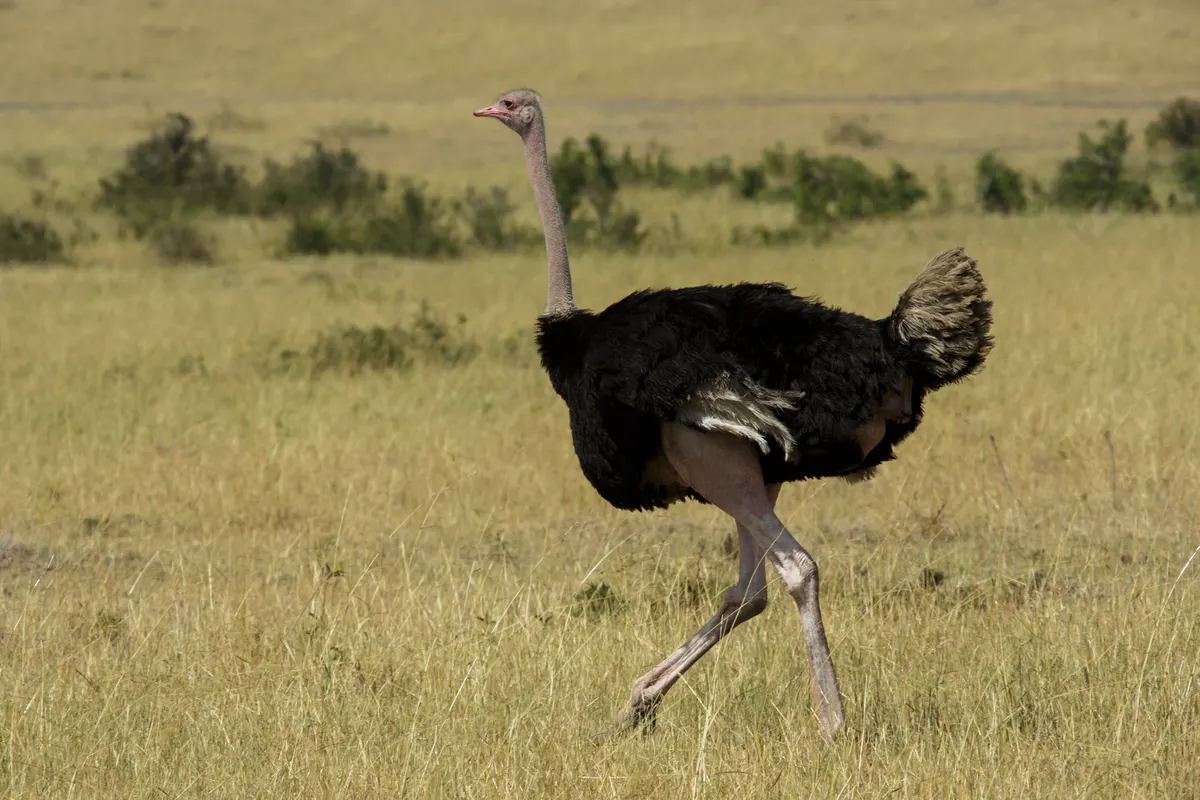
OstrichRoots, leaves, seedsInsects, lizards, snakes, rodents
Nine-banded armadilloFruit, seeds and fungi (under 10% of the diet)Beetles, termites, ants and other invertebrates
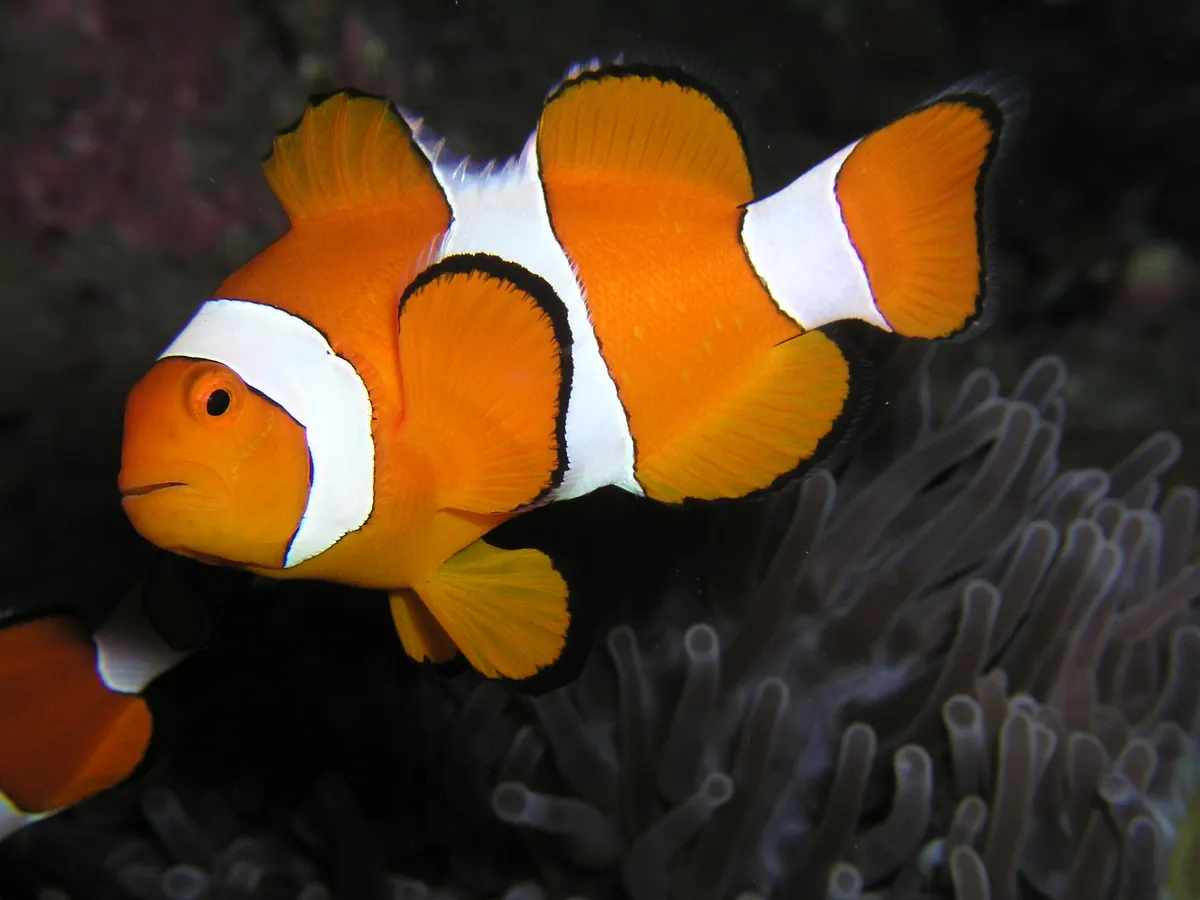
ClownfishAlgaeZooplankton such as copepods
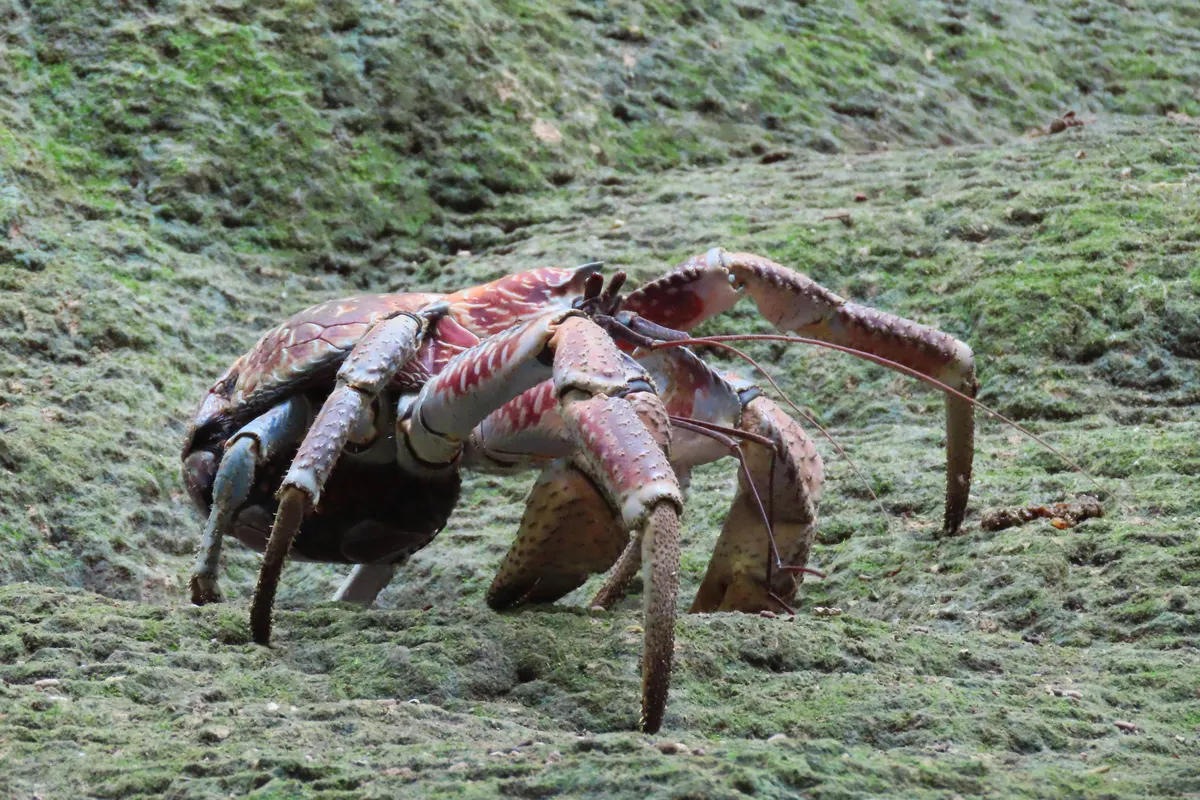
Coconut crabFallen fruit, coconut meatCarrion, other crabs, shed exoskeletons
Sugar gliderEucalyptus sap, nectar, pollenMoths, beetles, spiders

The directory below lists every omnivore profile on the site: mammals, birds, fish, a crab and an insect.

Start here

Featured species

6 entry points into this cluster — each profile has range, diet, behavior, and conservation detail.

Species directory

All 34 animals in this hub

Flagship species appear first. Open any card for range maps, diet, behavior, and conservation status.

Field guide

Ecology & context

Adaptations, threats, and comparisons — background for readers who want more than the species directory.

Savanna omnivores

Four omnivores on this site are grouped under savanna:

  • Common warthog (Africa). Found in open and wooded savannas, it is primarily a grazer of short grass and lowers itself onto its padded wrist joints to feed. It digs up rhizomes and bulbs with its snout and tusks — food that can also supply water during drought — and eats roots, berries, bark and occasionally carrion.
  • Honey badger (Africa and Asia). Most of its diet is animal food: rodents, snakes, birds, eggs and frogs, plus bee larvae and honey from raided hives. It also eats fruit, roots and bulbs. In a study in the southern Kalahari, small mammals made up about 80% of its diet from September to December, and large snakes 58% in the hot, wet season from January to April.
  • Ostrich (Africa). It eats mostly plants, especially roots, leaves and seeds, and also takes insects, snakes, lizards and rodents that come within reach. It gets the water it needs from the plants it eats, although it will drink at a water hole.
  • Maned wolf (South America). It lives in the cerrado, South America's largest savanna and its second-largest biome after the Amazon, a mix of savanna, grassland, forest and wetland. Fruit and vegetables make up about half of its diet, especially lobeira, the "fruit of the wolf"; it also catches rodents, rabbits, birds and insects.

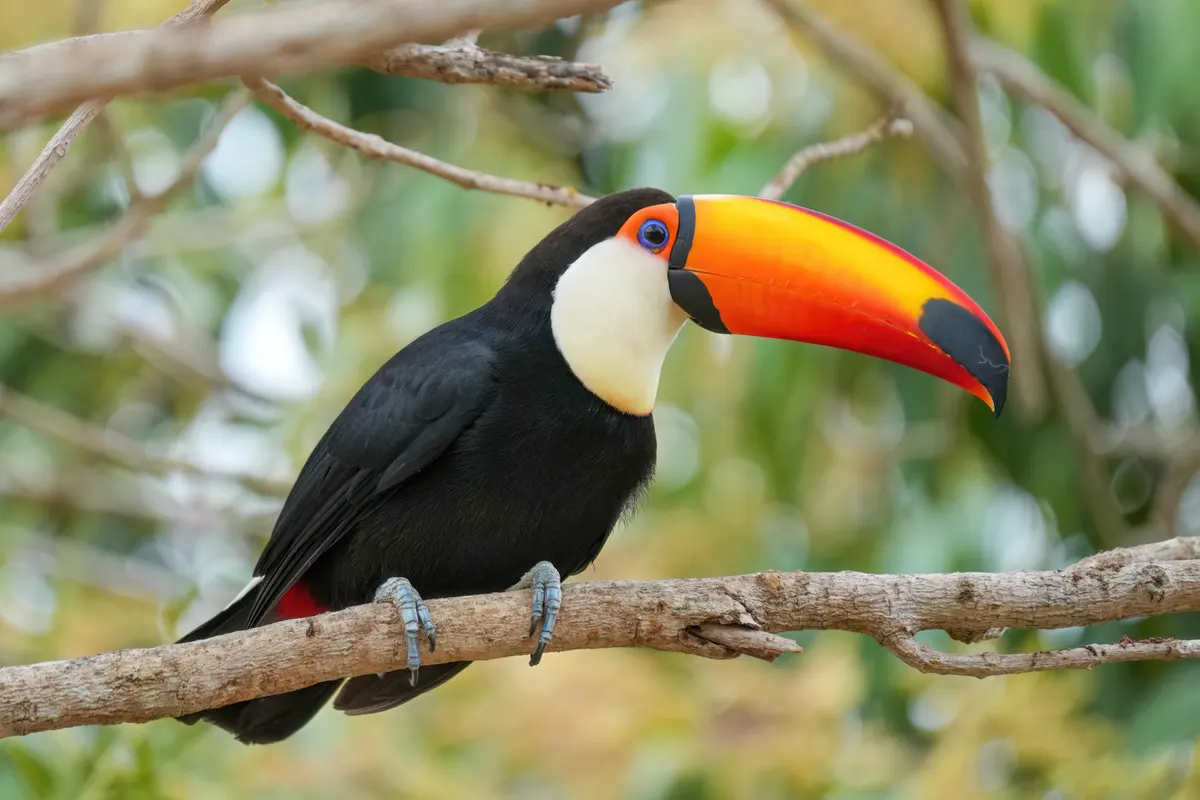
Chimpanzees are grouped with forest animals here, but they also live in forest–savanna mosaics, and some populations live mainly in savanna. Toco toucans are also grouped with forest animals here, but they live mostly in semi-open woodland and savanna, including Brazil's cerrado.

Other African savanna omnivores that do not yet have profiles here include olive (anubis) baboons, which eat fruit, tree gums, seeds, flowers, grass, roots, insects, eggs and small vertebrates, and black-backed jackals, which hunt rodents and hares, scavenge lion and leopard kills, and also eat fruit and seeds.

The large predators on the same plains, such as lions, cheetahs and spotted hyenas, are carnivores. Zebras and wildebeest graze and giraffes browse leaves; all three are herbivores. See savanna animals for the full savanna collection.

What makes an animal an omnivore?

National Geographic defines an omnivore as an organism that regularly eats a variety of material, including plants, animals, algae and fungi. The key word is regularly. Eating a small amount of another food type does not make an animal an omnivore: polar bears may eat some vegetation in summer but gain little nutrition from it, so they are classed as carnivores. Swallowing objects that provide no nutrition does not count either; National Geographic notes that tiger sharks and goats are not omnivores just because they sometimes swallow cans, plastic or rope.

Many omnivores have teeth for both kinds of food. Raccoons, for example, combine sharp front teeth for tearing small prey with large molars for chewing plants.

Species near the line are labelled differently by different sources. The red fox eats fruit and berries but is listed among carnivores on this site, while Animal Diversity Web describes red foxes as "essentially omnivores" that mostly eat rodents, rabbits, insects and fruit. The giant panda belongs to the order Carnivora but is listed among herbivores, because bamboo makes up more than 99% of its diet.

Mostly plants, mostly animals, or both by season

Omnivores sit along a spectrum:

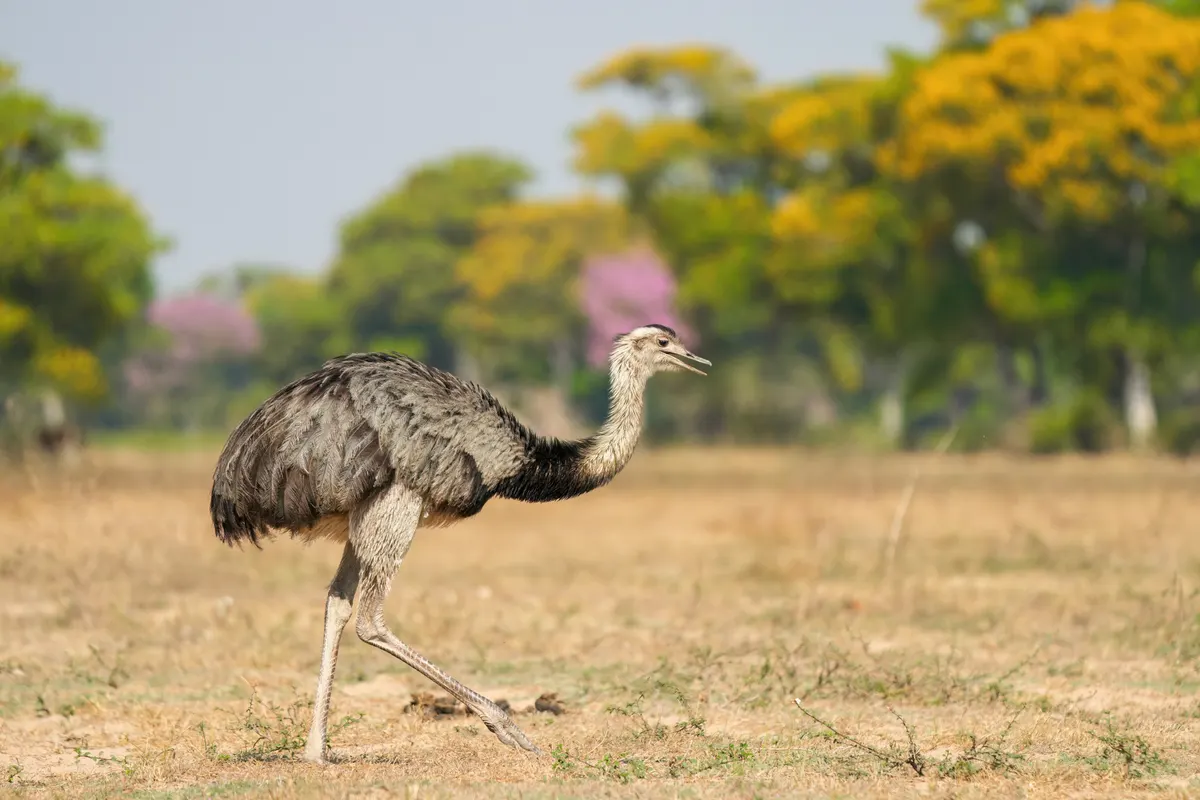
  • Mostly plants. Plants and seeds make up about 99% of the greater rhea's diet; small vertebrates and insects make up the rest. The red panda lives mainly on bamboo despite having a simple carnivore stomach. Orangutans spend most of their foraging time on fruit when it is available, and the common warthog is primarily a grazer.
  • Mostly animals. More than 90% of a nine-banded armadillo's diet by volume is animal matter, mainly beetles and other invertebrates. Most of what a honey badger eats is animal food. Outside the fruiting season, insects make up about 95% of a sloth bear's diet.
  • Different from place to place. In some habitats plants make up a larger share of a raccoon's diet than animals do, and in some areas corn is its most important food. Chimpanzee diets also vary by location: some foods eaten by one population are not eaten by another, even where the same food grows.
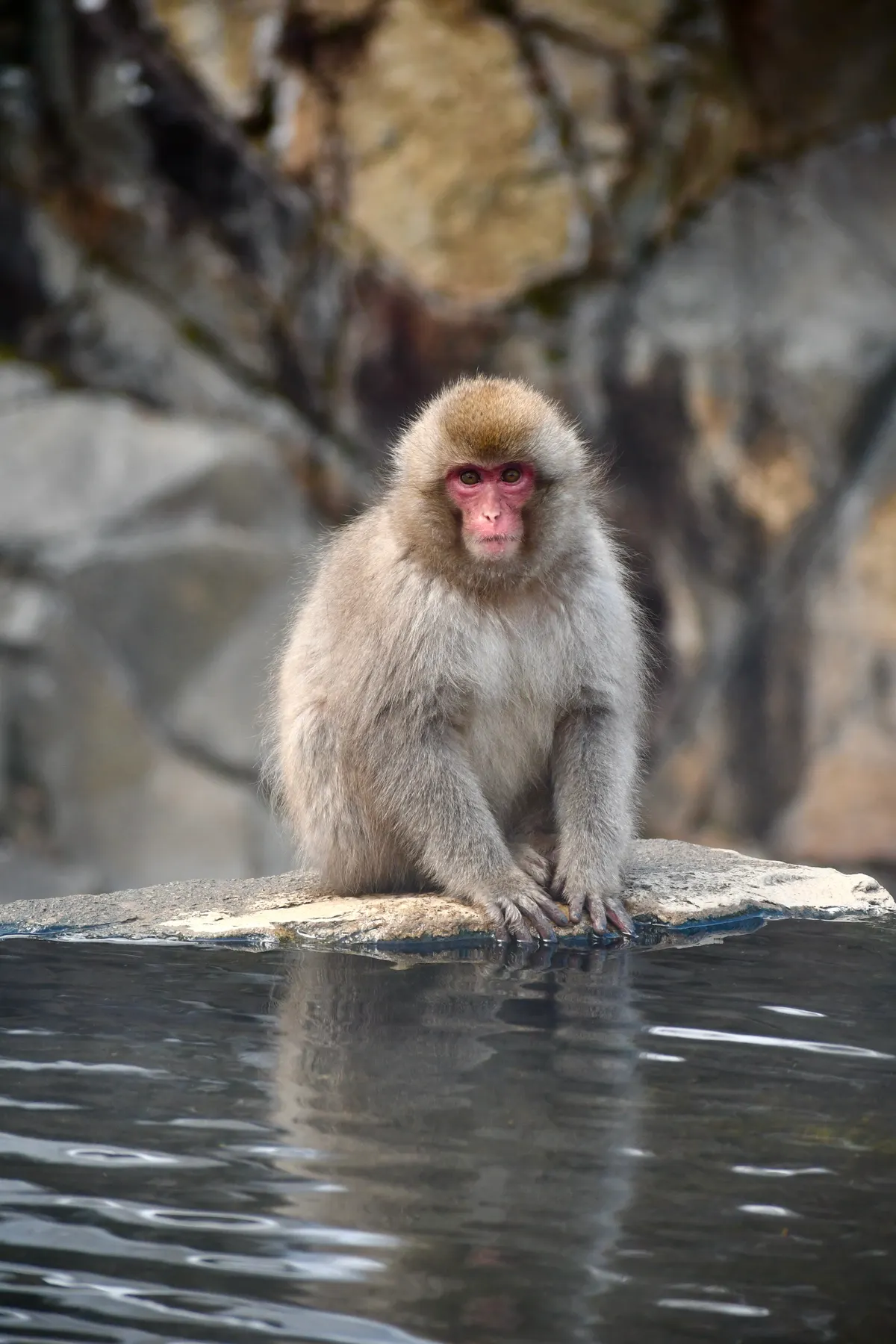
  • Changing with the season. In the Greater Yellowstone Ecosystem, researchers have recorded more than 266 species in grizzly bear diets, including more than 162 plant species. Army cutworm moths have the highest energy value of any food recorded there, at 7.9 kcal per gram. In the fruiting months, fruit can occasionally make up half of a sloth bear's diet. Sugar gliders eat mainly insects in spring and summer and switch to eucalyptus sap and pollen in autumn and winter. Japanese macaques eat mostly fruit in summer and autumn and rely heavily on fibrous mature leaves in winter.

Carnivora is a group of mammals, not a diet

The name of the mammal order Carnivora suggests meat-eating, but Animal Diversity Web notes that not all of its members are carnivorous: bears and raccoons are omnivorous, and giant pandas are primarily vegetarian. Membership in Carnivora reflects ancestry; diet describes what an animal actually eats.

Eleven omnivores on this site belong to Carnivora:

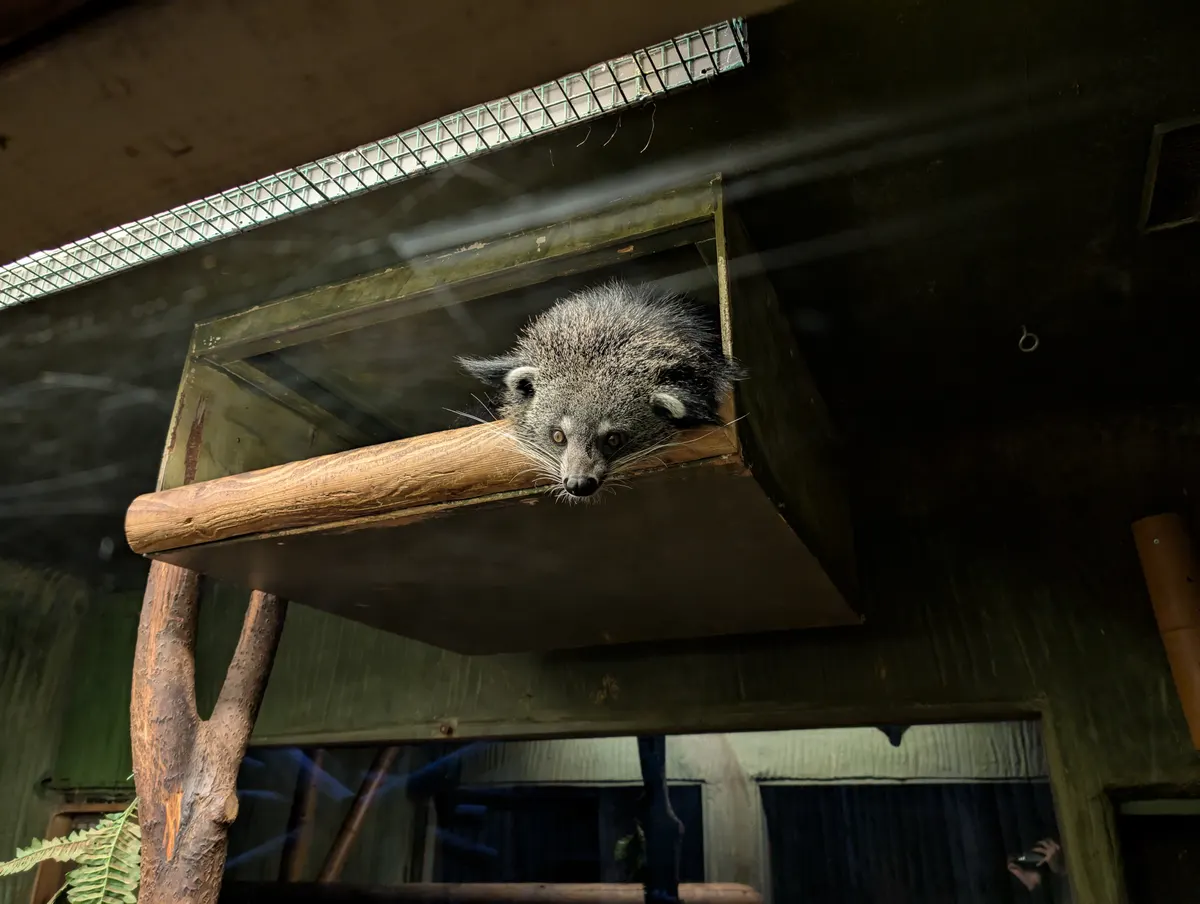
Besides the bamboo-eating red panda, several of them rely heavily on plant food, including the grizzly bear, the binturong and the maned wolf. The binturong is primarily a fruit eater, especially of strangler figs, although it also catches insects, birds, fish and rodents. Fruit and vegetables make up about half of the maned wolf's diet.

Many other omnivores are not carnivorans at all, including primates, birds such as the cassowary and emu, fish and the coconut crab. Giant panda vs red panda compares two bamboo eaters in Carnivora that are classed differently.

Omnivores in forests and rainforests

Most of the omnivores on this site are forest animals, and many depend on fruit:

  • Chimpanzees rely heavily on ripe fruit and young leaves and add insects, eggs and small vertebrates. They use modified twigs to fish for ants and termites, and males typically eat more meat than females, which eat more insects.
  • Orangutans eat mainly fruit, fall back on inner bark, leaves and other vegetation when fruit is scarce, and also eat insects and bird eggs. Chimpanzees and orangutans are both great apes in the family Hominidae.
  • Mandrills of Central African rainforests eat fruit, seeds, fungi and roots, along with insects, snails, worms, frogs and lizards.
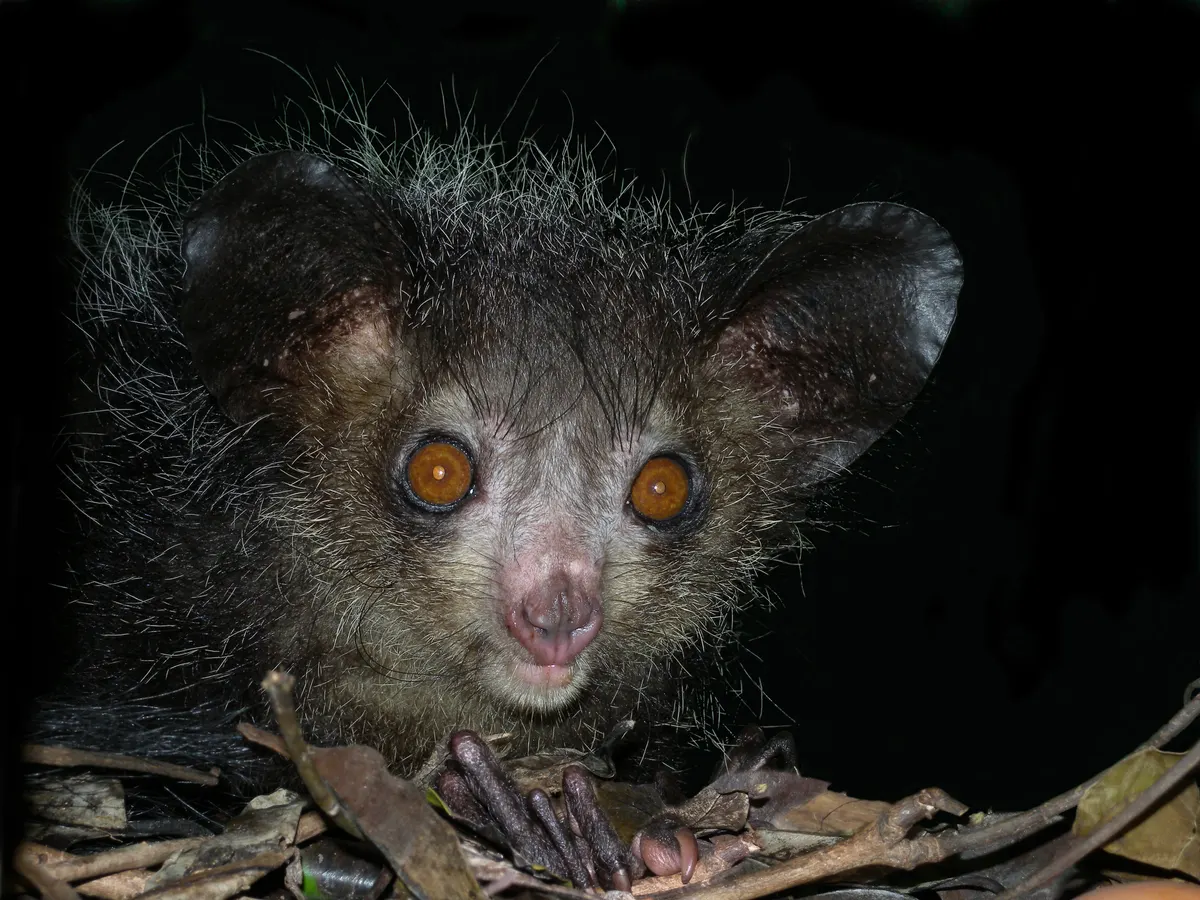
  • Aye-ayes in Madagascar tap on branches to locate wood-boring beetle larvae, and also eat fruit, ramy nuts, coconuts and nectar.
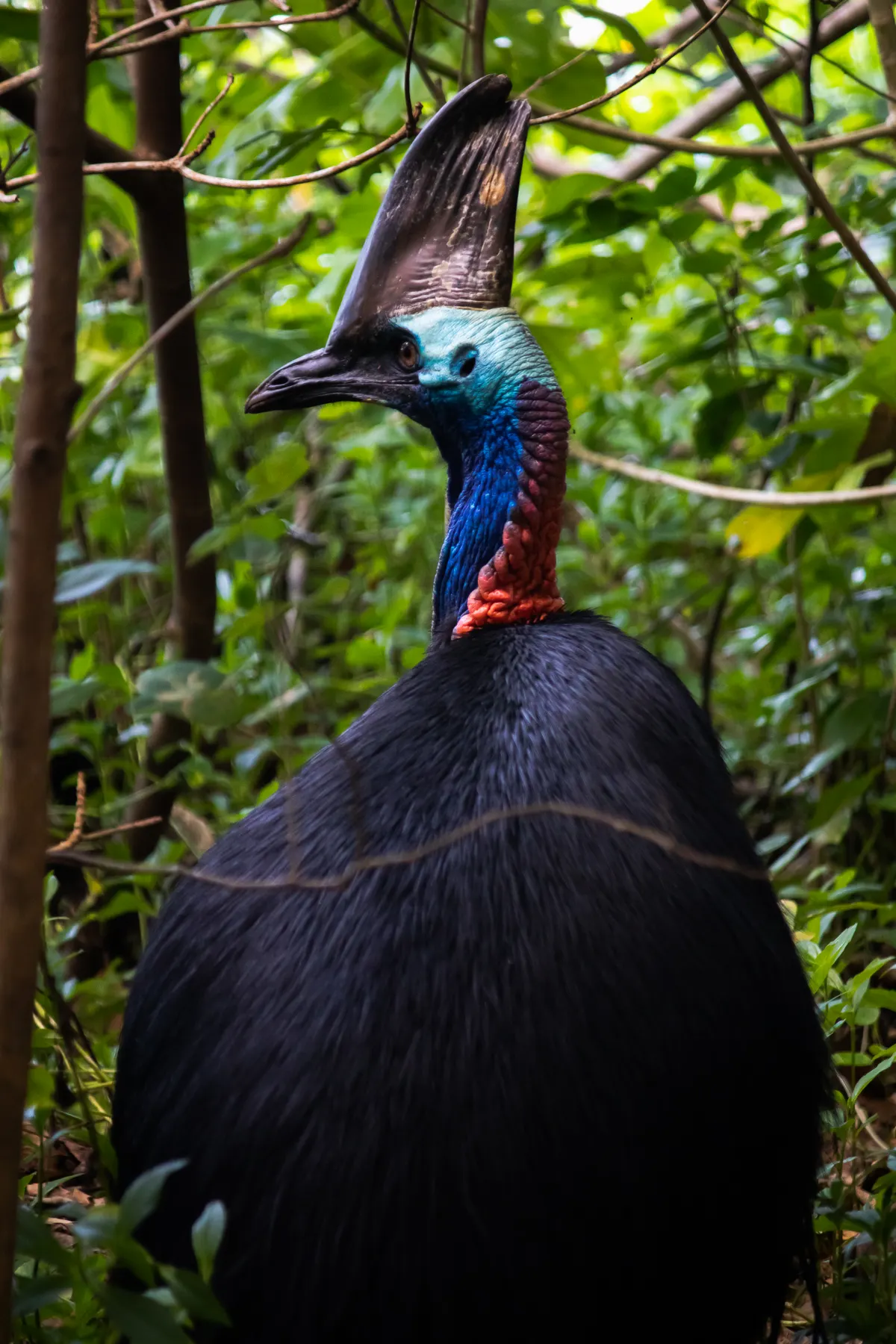
  • Southern cassowaries feed mostly on fallen fruit and also eat insects, small vertebrates and fungi. In one study, seeds of 70 of the 78 plant species found in their droppings could still germinate.
  • Toco toucans eat mainly fruit and occasionally insects and the eggs of other birds, including hyacinth macaws.
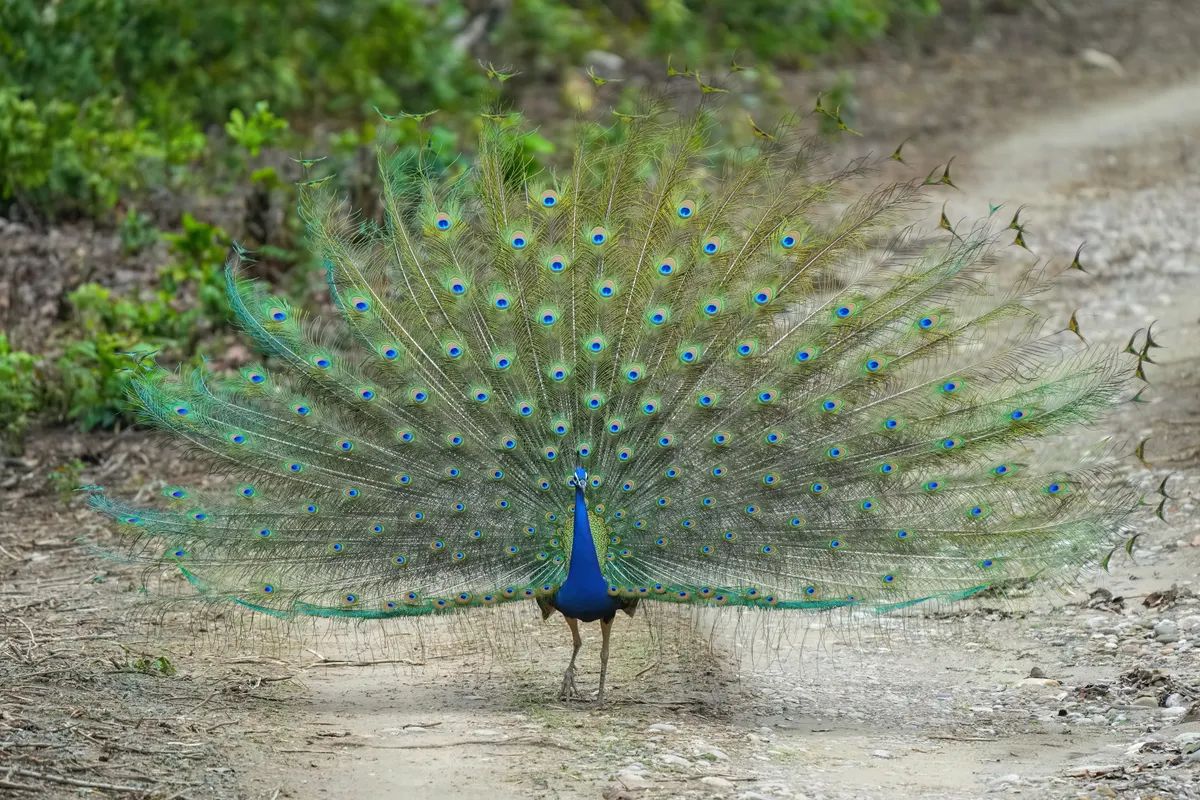
  • Indian peafowl eat insects, worms, lizards, frogs and snakes, with termites a preferred food, along with buds, petals, grain, and grass and bamboo shoots.
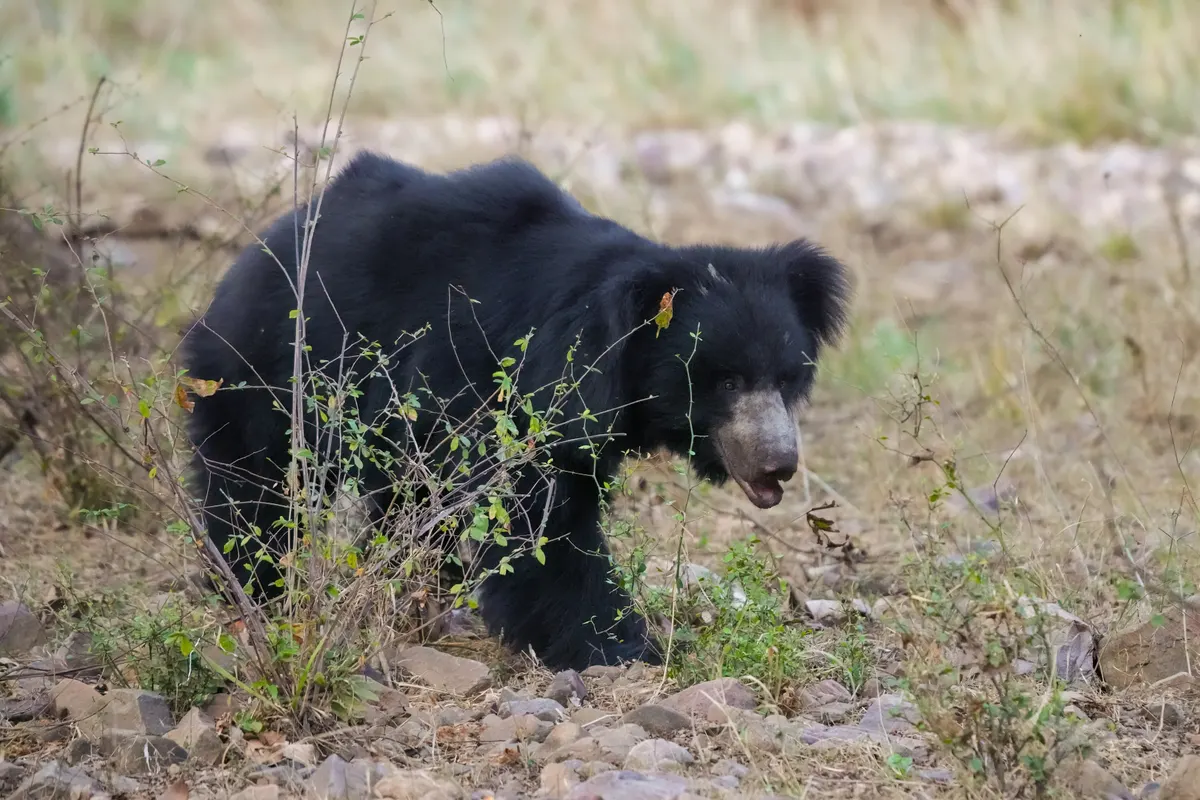
  • Sun bears feed mainly on termites, bees and other invertebrates, take honey from hives, and eat fruit when it is available. Sloth bears dig termites out of hard mounds and also eat mango, fig and other fruits; sloth bear vs sun bear compares the two.
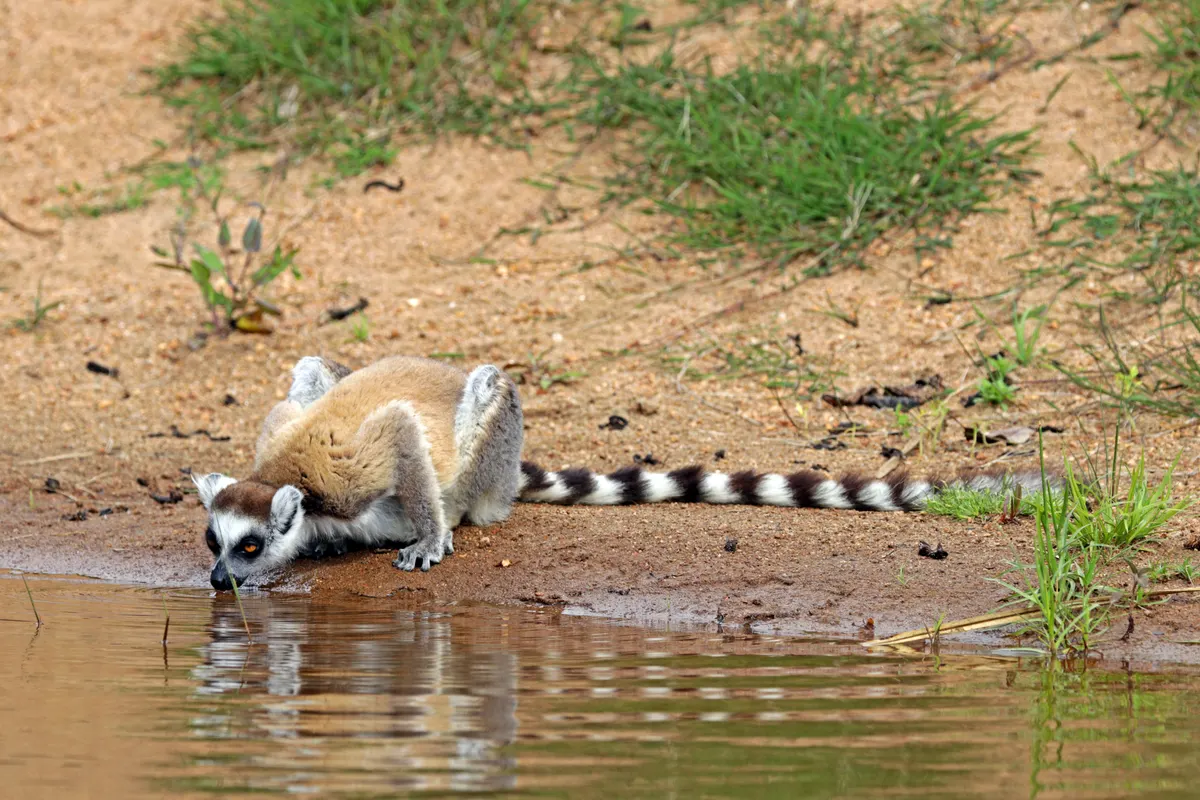
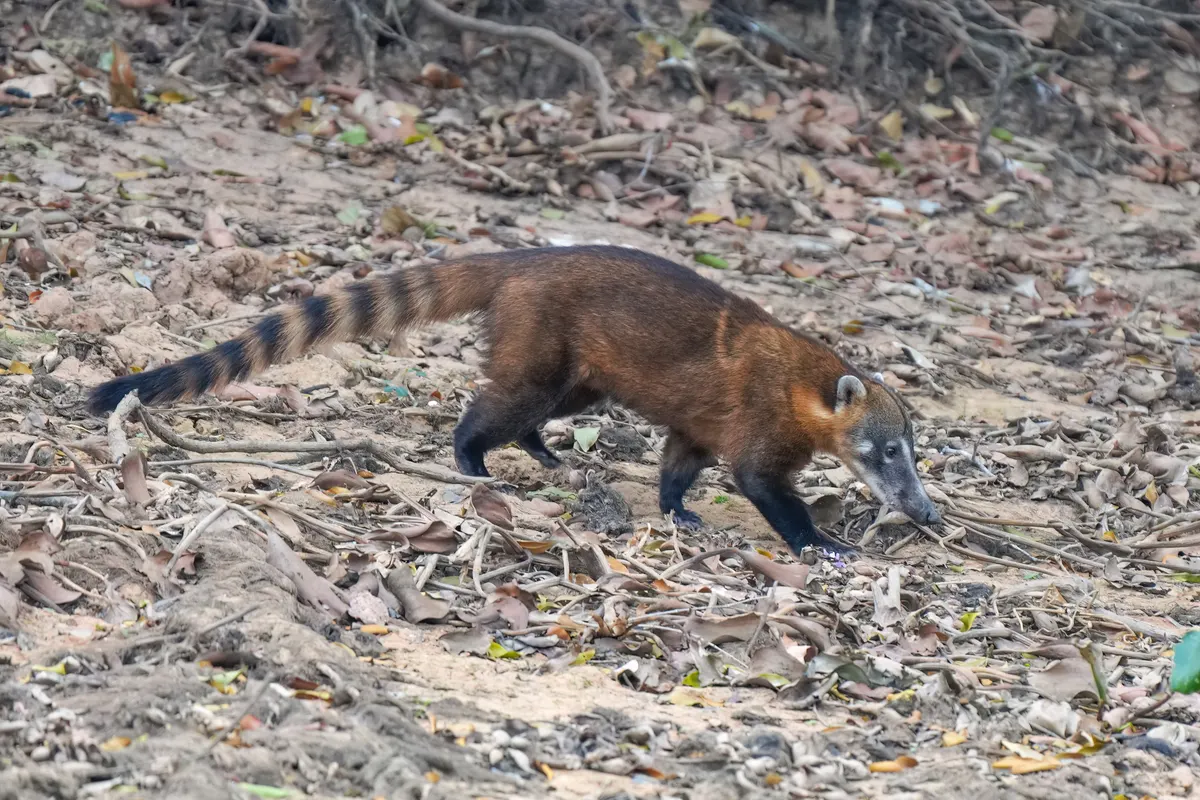
  • Smaller forest omnivores include the ring-tailed lemur, whose most important food is tamarind fruit; the South American coati, which mainly seeks out fruit and invertebrates; and the ruby-throated hummingbird, which feeds on floral nectar and small insects such as gnats and mosquitoes.

The forest hub shows these species alongside the forest's carnivores and herbivores.

Grassland, desert, ocean and coast omnivores

Grassland. The nine-banded armadillo eats mostly invertebrates, the emu feeds mainly on fruits, seeds, insects and small animals, and the greater rhea eats almost entirely plants. Emu vs ostrich compares two large flightless omnivores. See grassland animals.

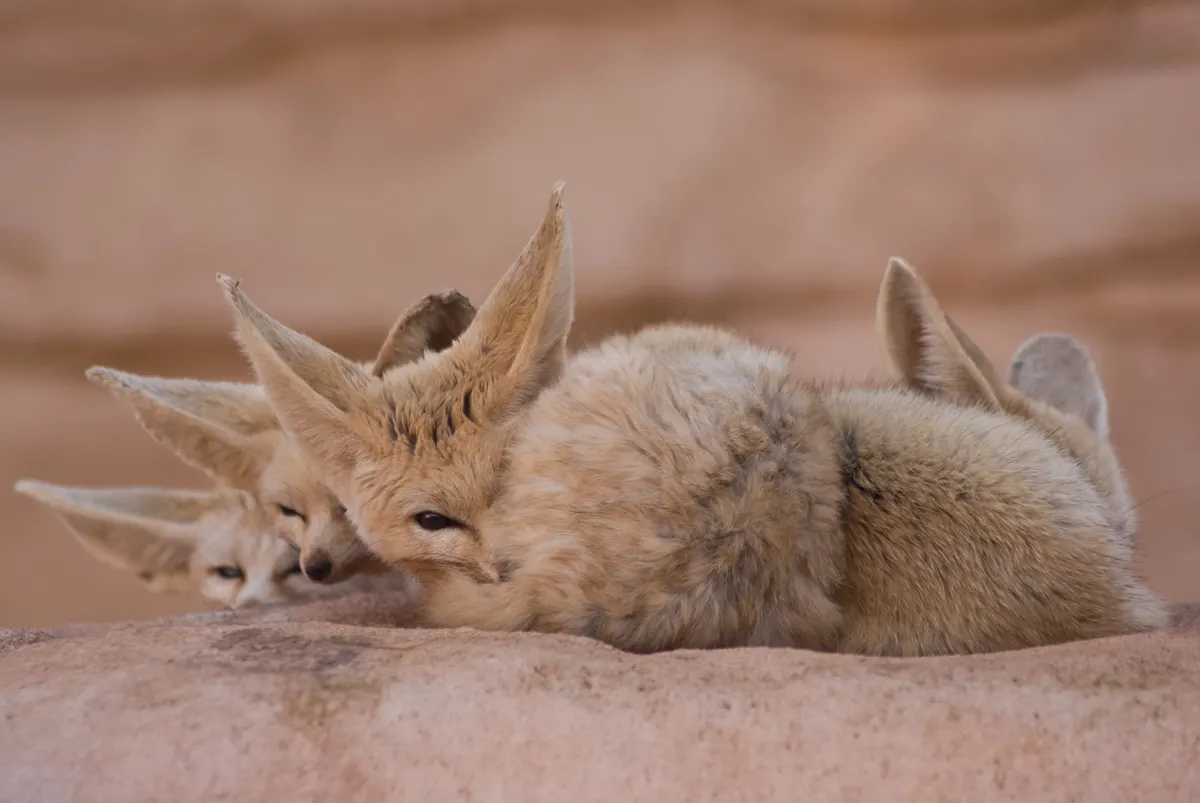
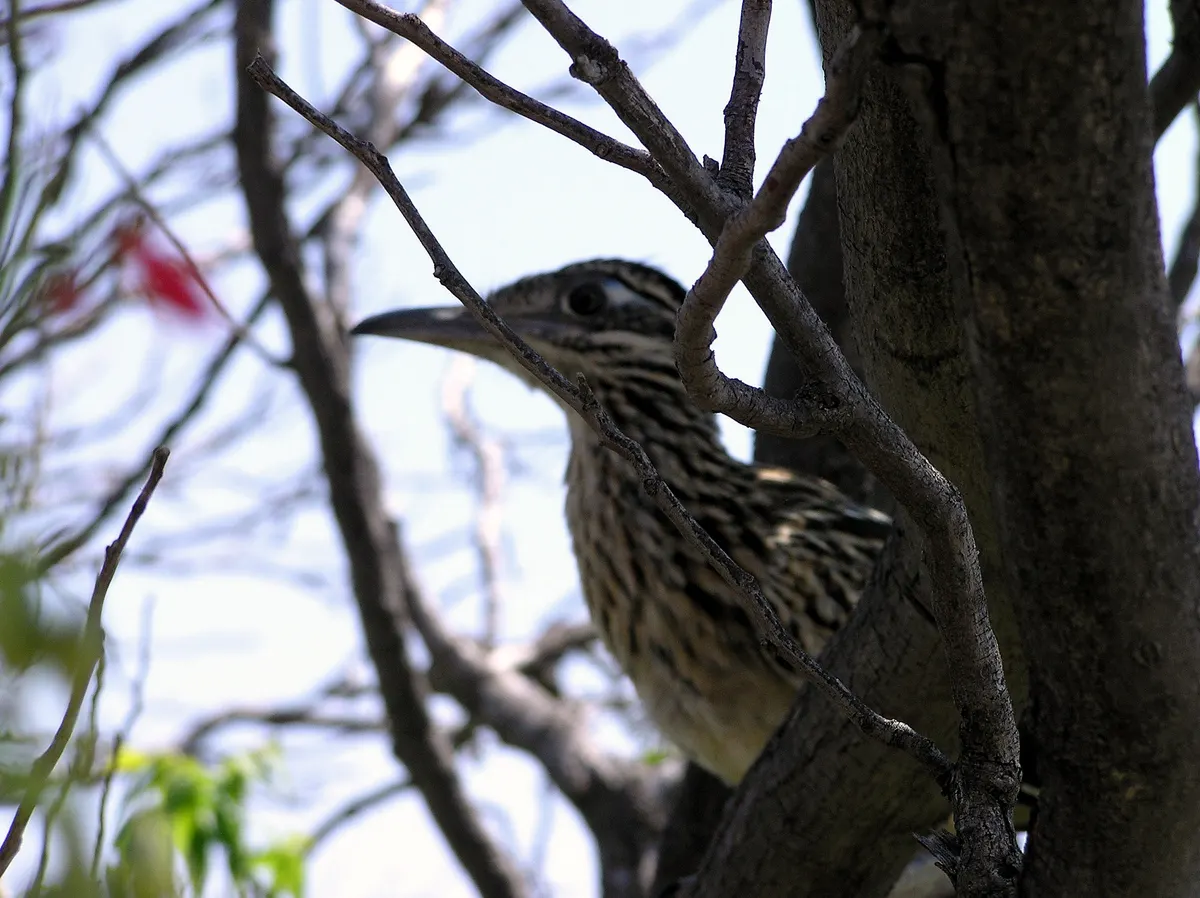
Desert. The fennec fox catches rodents, lizards, birds and insects and eats eggs; it gets most of the water it needs from its food, especially fruit, leaves and roots, and can go long periods without drinking. The greater roadrunner eats large insects, scorpions, lizards, snakes and mice, and feeds on prickly pear cactus where it grows. See desert animals.

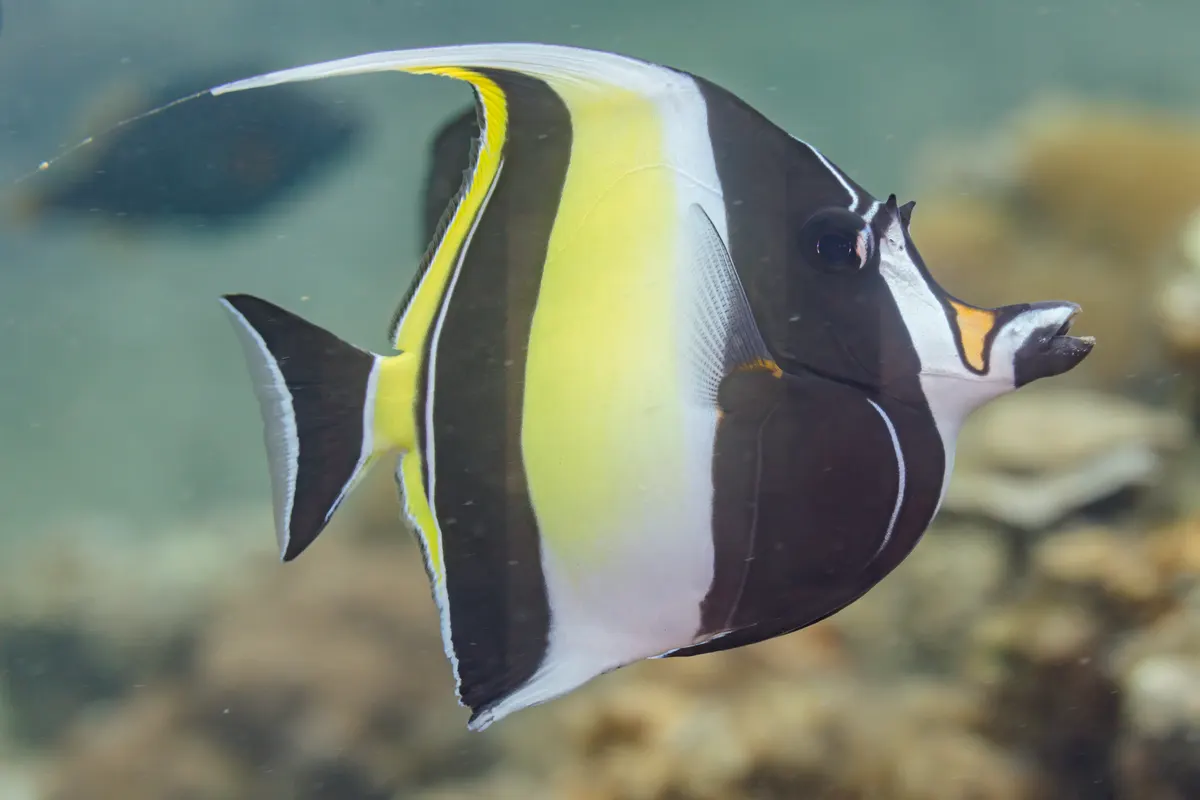
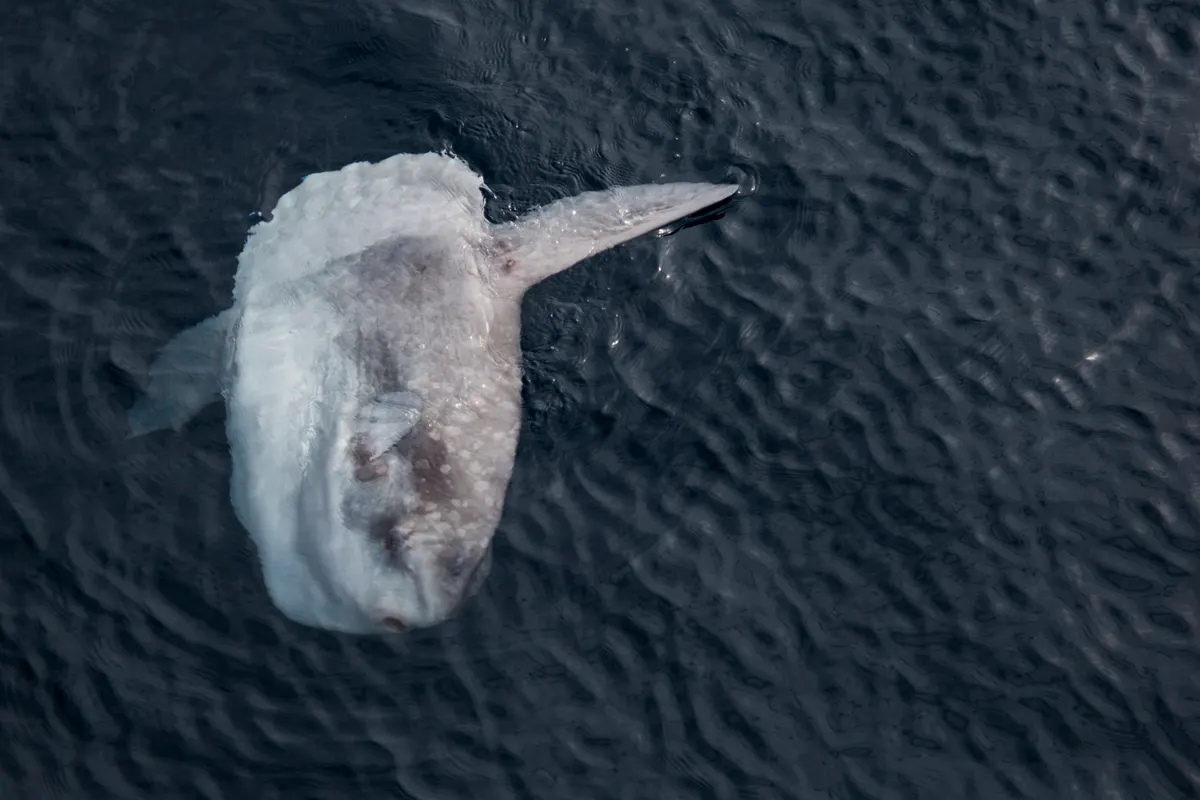
Ocean. Clownfish eat algae and zooplankton close to their host anemone. The ocean sunfish feeds primarily on jellyfish and other gelatinous zooplankton but also takes crustaceans, mollusks, seaweed and some fish; how ocean sunfish eat jellyfish explains its feeding. Two reef fish listed here as omnivores eat mostly animal food: FishBase records the guineafowl pufferfish feeding mainly on the tips of branching corals, with smaller amounts of sponges, mollusks, algae and detritus, and the Moorish idol on small encrusting animals. See ocean animals.

Coast. Adult coconut crabs are omnivorous scavengers. They eat fallen fruit, with pandanus fruit a main food in many places, as well as coconut meat, carrion including other crabs, and shed exoskeletons. See coastal animals.

Sources

Common Questions

FAQ about Omnivore Animals

Select a question to reveal the answer.

Which animals are omnivores in the savanna?

On this site, the common warthog, honey badger and ostrich are African savanna omnivores, and the maned wolf is an omnivore of South America's cerrado savanna. Olive baboons and black-backed jackals are other African savanna omnivores, and some chimpanzee populations live mainly in savanna.

What is the difference between omnivores, carnivores and herbivores?

Herbivores such as zebras eat plants, carnivores such as lions eat other animals, and omnivores regularly eat both. The labels describe the main pattern of a diet, not every food: polar bears eat a little vegetation in summer and are still carnivores.

Are humans omnivores?

Yes. Humans eat plants, animals, fungi such as mushrooms and algae such as seaweed. This hub covers wild animals; the two great apes in it, the chimpanzee and the orangutan, are also omnivores, and fruit is central to both of their diets.

Are all bears omnivores?

No. Grizzly, sloth and sun bears are omnivores. The polar bear is a carnivore whose main prey is ringed seals, and the giant panda is primarily vegetarian, eating almost nothing but bamboo. The bear family hub Ursidae and polar bear vs grizzly bear cover the differences.

Are ostriches omnivores or herbivores?

Sources differ. San Diego Zoo Wildlife Alliance and National Geographic describe ostriches as omnivores that mostly eat plants but also take insects and lizards. Animal Diversity Web describes them as herbivores that sometimes eat locusts and animal remains left by predators. Both agree that plants make up most of the diet. This site lists the ostrich as an omnivore.

Is a red panda an omnivore?

It is listed as an omnivore here, but bamboo is its main food. The Smithsonian's National Zoo notes that red pandas also forage for roots, grasses, fruit, insects and grubs, and occasionally kill and eat birds and small mammals. Why red pandas are not giant pandas explains how the two species differ.

Show 2 more questionsExpand
Is a scavenger the same as an omnivore?

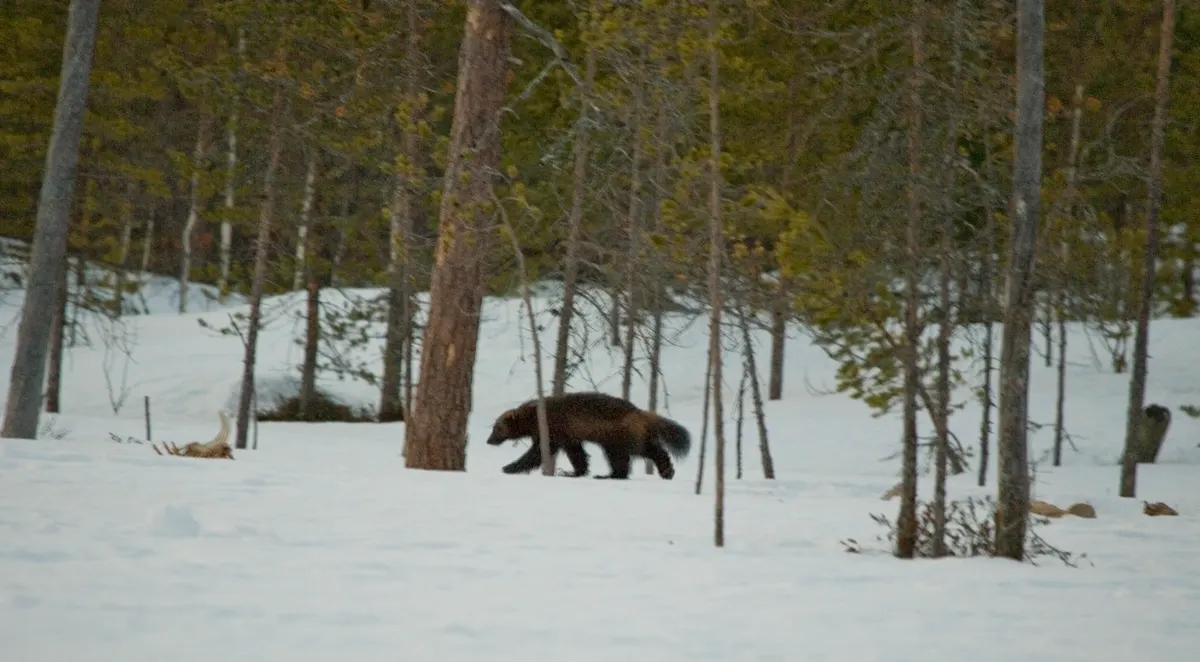
No. Scavenging describes one way of getting food, eating animals that are already dead, not the overall diet. Omnivores such as honey badgers, wolverines and coconut crabs scavenge, but so do carnivores such as polar bears, which feed on seal, walrus and whale carcasses.

Why do omnivores cope well with changing habitats?

A mixed diet lets them switch foods when one runs short. National Geographic gives the example of a river where the salmon disappear: a big cat, which cannot get nutrients from plants, could not survive there, but a grizzly bear could still live on berries, fruit, roots and insects. The same flexibility helps omnivores live on farmland and in towns; raccoons are found in suburban and urban areas as well as woodland.

Keep reading

Questions and comparisons

Short answers and side-by-side comparisons about animals in this hub.

Question

Why Do Binturongs Smell Like Popcorn?

The popcorn-like smell is a chemical calling card left on branches, not evidence that the animal has eaten popcorn.

Read the answer

Question

How Do Ocean Sunfish Eat Jellyfish?

A sunfish draws gelatinous prey into its small mouth, breaks it into manageable pieces, and traps it with teeth deeper in the throat.

Read the answer

Question

Why Are Red Pandas Not Giant Pandas?

The name is shared, the menu overlaps, but a red panda is neither a small bear nor a young giant panda.

Read the answer

Question

Why Do Ocean Sunfish Look So Strange?

An ocean sunfish looks unfinished only if you expect every fish to have a long tail.

Read the answer

Question

Why Do Polar Bears Need Sea Ice?

Sea ice places polar bears where seals surface; when the ice retreats, many bears lose hunting time and fast longer on land.

Read the answer

Comparison

Emu vs Ostrich

Emus and ostriches are the two largest flightless birds, but the ostrich is the bigger and faster African species with two toes, while the emu is a smaller Australian bird with three toes whose males raise the chicks alone.

Compare them

Comparison

Sloth Bear vs Sun Bear

Sloth bears and sun bears are both small Asian bears with pale chest marks, but the sloth bear is larger and shaggy with a termite-eating snout, while the sun bear is the smallest bear, sleek-coated, and the most tree-dwelling.

Compare them

Comparison

Wolverine vs Honey Badger

Wolverines and honey badgers are separate mustelid genera on different continents that arrived at a similar build, a similar diet breadth, and the same reputation for confronting larger animals.

Compare them

Comparison

Arctic Fox vs Fennec Fox

Arctic and fennec foxes are both Vulpes species whose bodies solve opposite thermal problems: the arctic fox is built to keep heat in, the fennec to get rid of it.

Compare them

Measured spread

How much this hub varies

Computed from the 34 species listed here, using the published figure on each profile.

MeasureSmallest listedLargest listed
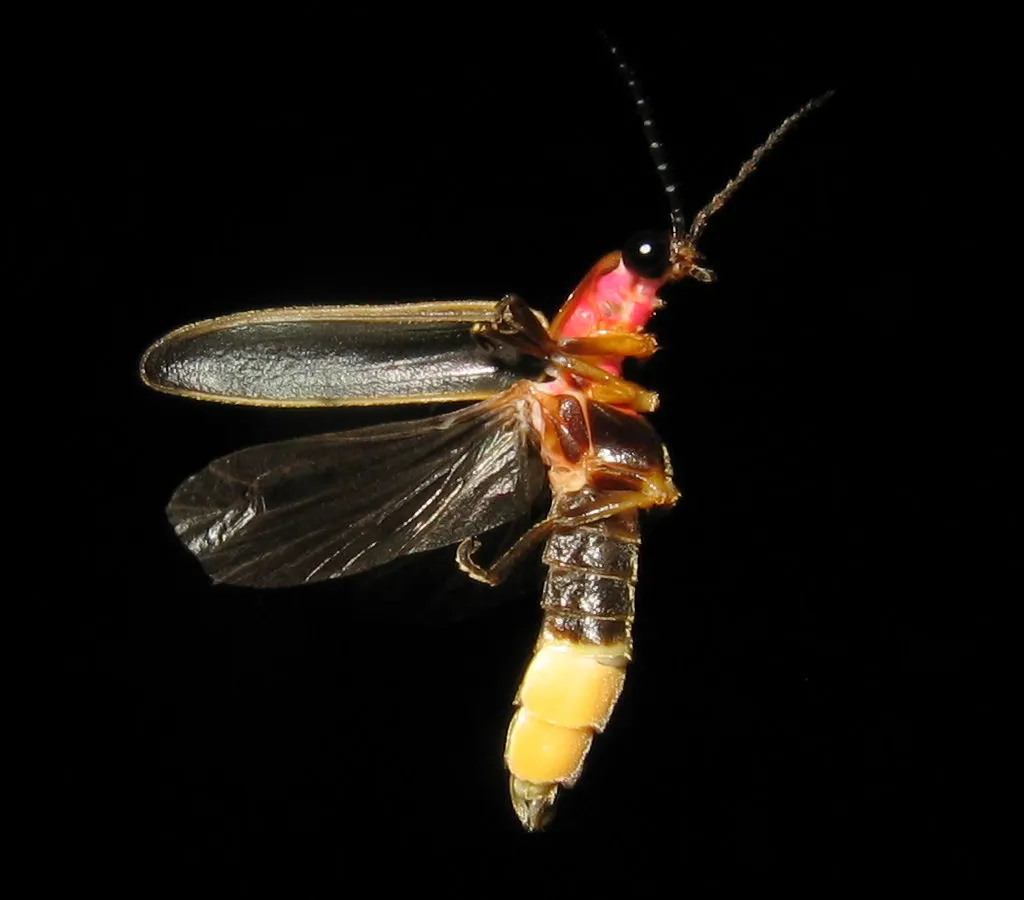
Body mass (adult max)Firefly0.2 gOcean Sunfish2.2 t
Body length (max)Firefly1.5 cmOcean Sunfish3.05 m
Lifespan in the wild (max)Firefly2 yrCoconut Crab60 yr
IUCN status across the hub
20 Least Concern · 7 Vulnerable · 4 Endangered · 2 Near Threatened · 1 Critically Endangered
Habitats represented
Forest (20) · Ocean (4) · Savanna (4) · Grassland (3) · Desert (2) · Coast (1)

Keep exploring

Related hubs

Same cluster, different angle — open a diet or habitat hub to compare species side by side.