
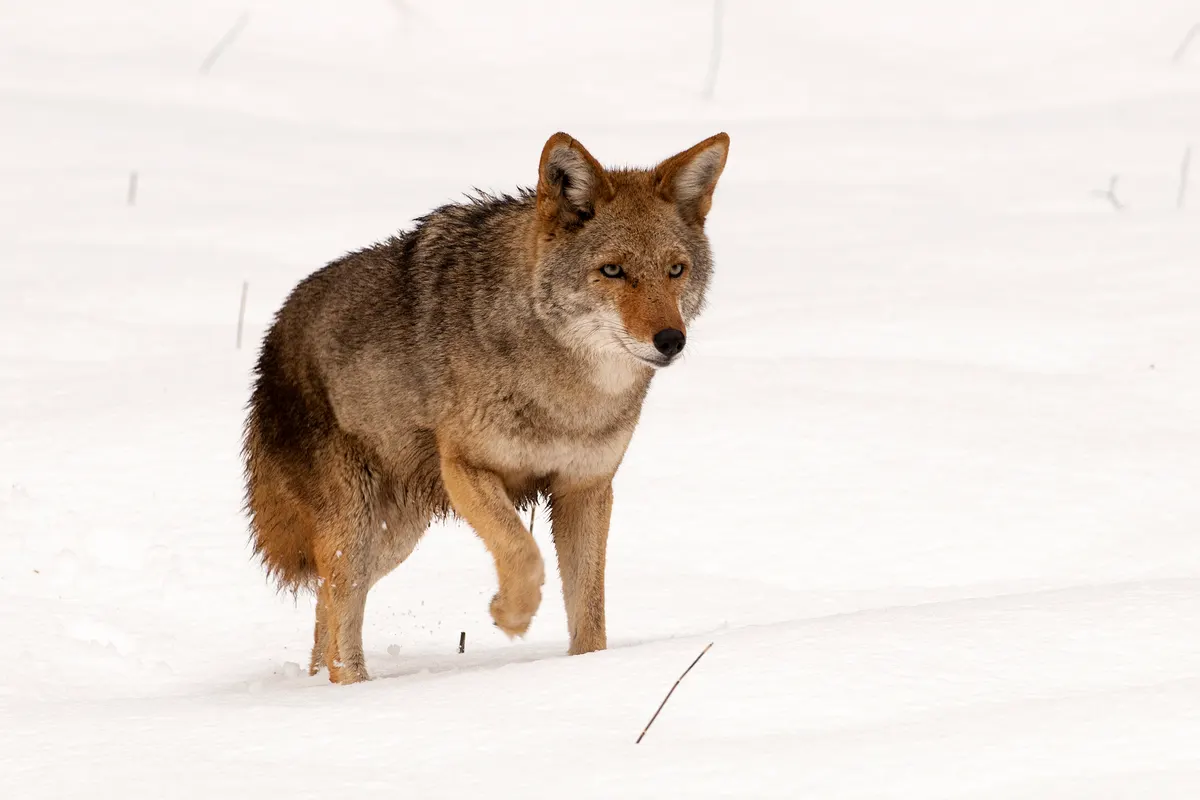

Non-retractable claws, bushy tails used for balance and signaling, and varied vocalizations from howls to barks. All three species here are carnivores, but prey size and social hunting differ sharply between wolf packs and solitary foxes.
Families hub
Canidae Animals
Explore animals in the Canidae family with wildlife photos, taxonomy context, and related species pages.
- Species listed
- 6
- Diet mix
- 4 carnivore · 2 omnivore
- Updated
- October 2026
6 related species in this hub
Overview
Dogs, foxes, and wolves
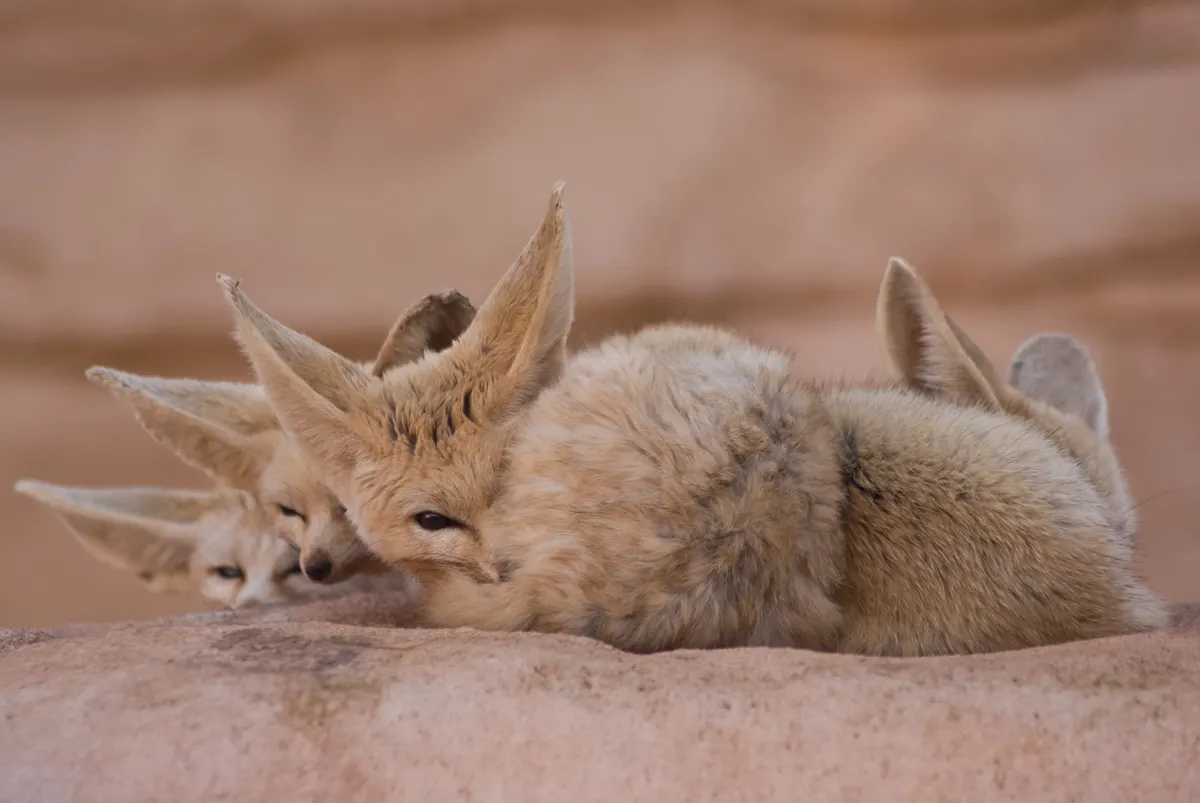
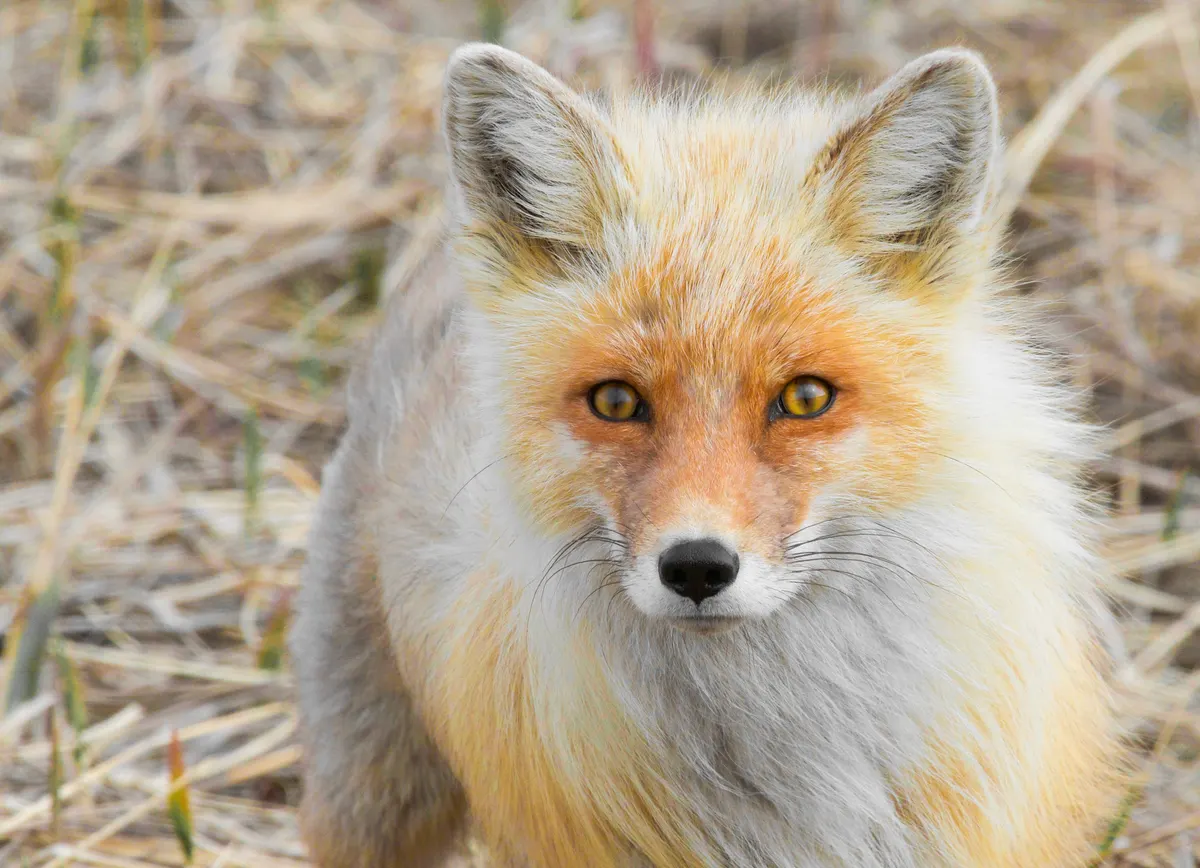
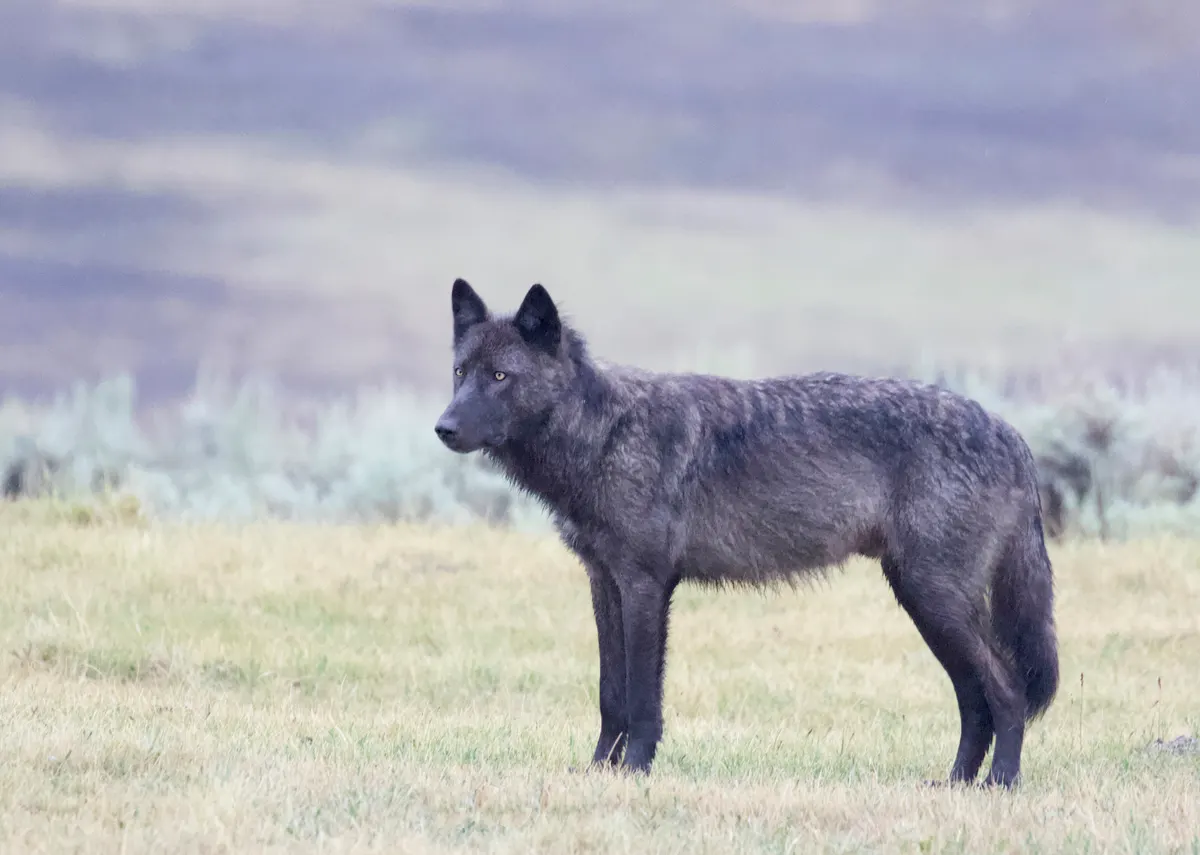
Canidae are long-legged carnivores with keen hearing and smell. Wolf hunts in packs across northern forest and tundra. Fox is a solitary generalist in woodland and farmland. Fennec Fox is the desert outlier — enormous ears for heat loss, small body, and nocturnal hunting in sand dunes.
Start here
Featured species
3 entry points into this cluster — each profile has range, diet, behavior, and conservation detail.
Species directory
All 6 animals in this hub
Flagship species appear first. Open any card for range maps, diet, behavior, and conservation status.
Field guide
Ecology & context
Adaptations, threats, and comparisons — background for readers who want more than the species directory.
Scent, sound, and territory
Canids mark ranges with urine and gland secretions. Wolf howls to coordinate packs across distance. Fox uses sharp barks and scent trails on smaller territories. Fennec Fox digs extensive burrow systems in desert sand to escape midday heat.
From tundra to dunes
Wolf spans forest, tundra, and grassland. Fox adapts to farmland and suburbs. Fennec Fox is specialized for North African deserts — the family shows how one body plan stretches across climates.
Common Questions
FAQ about Canidae Animals
Select a question to reveal the answer.
What animals are in the dog family?
This hub lists Wolf, Fox, and Fennec Fox. Domestic dogs share ancestry with wolves but are not wildlife profiles here.
Do foxes and wolves hunt the same way?
Wolves often hunt in packs for large prey. Foxes usually hunt alone for rodents, birds, and insects.
Where should I start?
Compare Wolf for cooperative hunting and Fennec Fox for desert specialization.
Keep reading
Questions and comparisons
Short answers and side-by-side comparisons about animals in this hub.
Comparison
Arctic Fox vs Fennec Fox
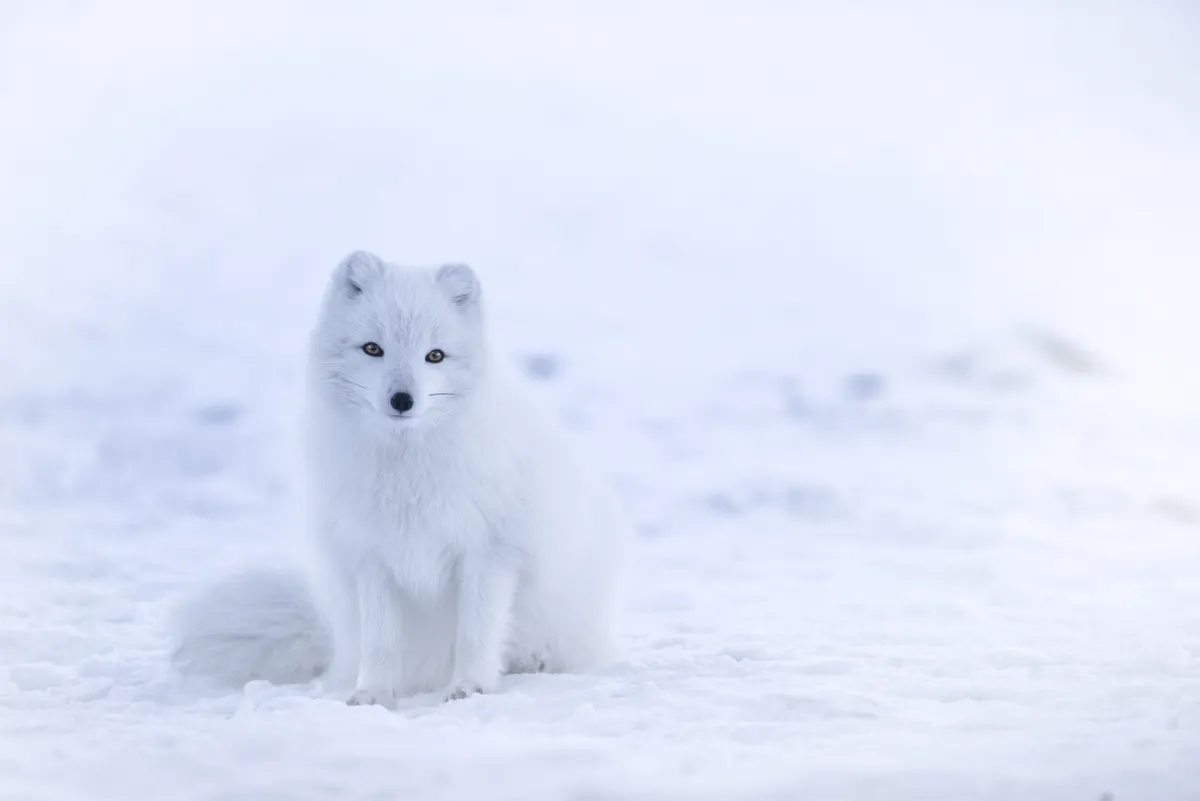
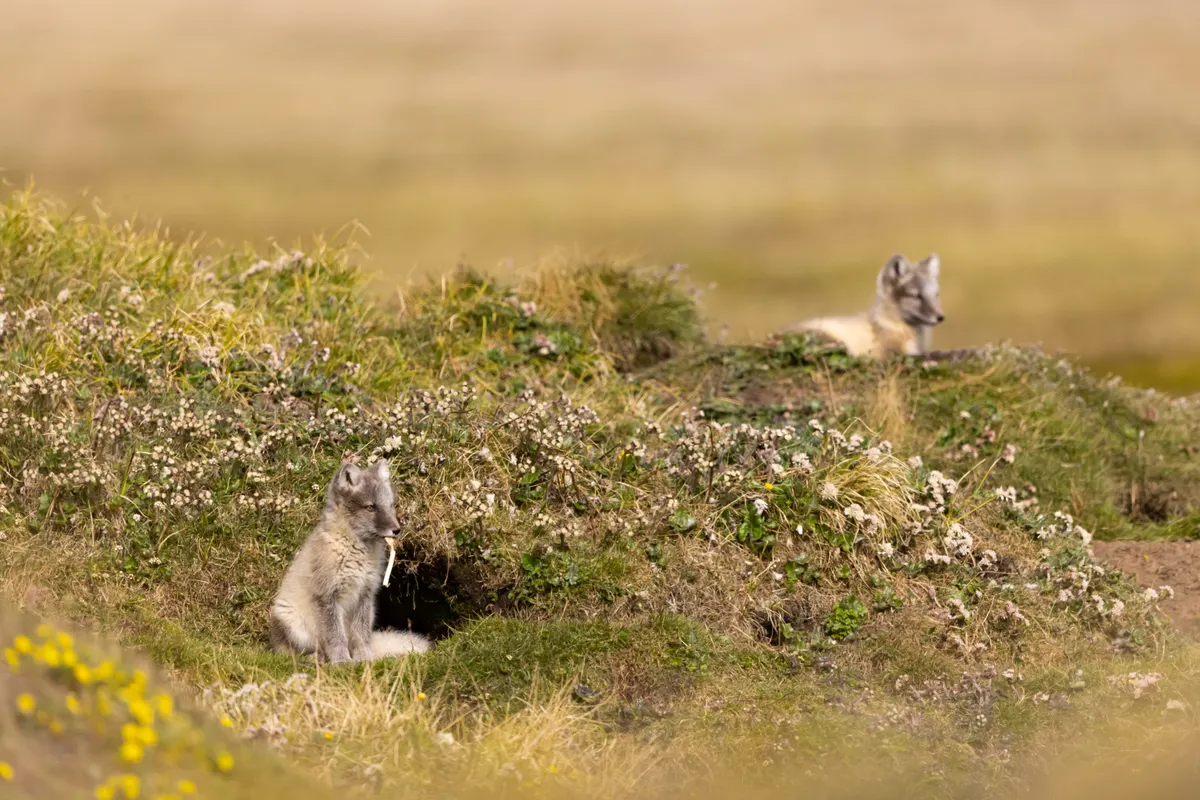
Arctic and fennec foxes are both Vulpes species whose bodies solve opposite thermal problems: the arctic fox is built to keep heat in, the fennec to get rid of it.
Compare themComparison
Coyote vs Wolf
Coyotes and gray wolves are related Canis species, but wolves are larger pack hunters while coyotes use more flexible social groups and a broader diet.
Compare themComparison
Fox vs Wolf
Foxes and wolves are both canids, but their size, social systems, prey choices, and use of territory make them very different animals in the field.
Compare themMeasured spread
How much this family varies
Computed from the 6 species listed here, using the published figure on each profile.
| Measure | Smallest listed | Largest listed |
|---|---|---|
| Body mass (adult max) | Fennec Fox1.6 kg | Wolf79.4 kg |
| Body length (max) | Fennec Fox40.6 cm | Wolf1.98 m |
| Lifespan in the wild (max) | Arctic Fox6 yr | Coyote14 yr |
Keep exploring
Related hubs
Same cluster, different angle — open a diet or habitat hub to compare species side by side.
habitats
Forest animals
2 family members live in forest habitats
Open hubhabitats
Polar animals
1 family members live in polar habitats
Open hubhabitats
Grassland animals
1 family members live in grassland habitats
Open hubdiets
Carnivore animals
4 related species are carnivores
Open hubdiets
Omnivore animals
2 related species are omnivores
Open hub