

Forest Animals

Habitats hub

Forest Animals

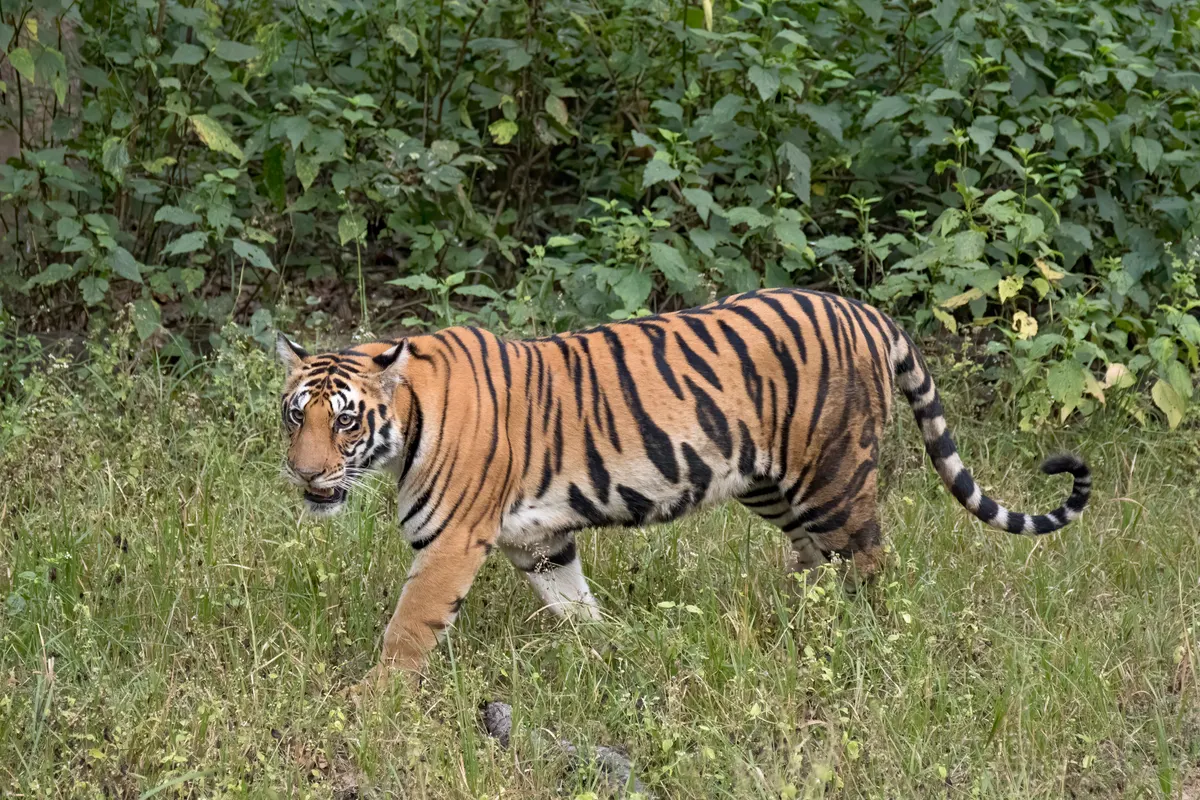
Forest animals range from orangutans and toucans in the rainforest canopy to tigers, tapirs and moose on the ground. Compare species by forest layer and type.

Species listed
73
Diet mix
32 carnivore · 21 herbivore · 20 omnivore
Updated
November 2026

73 species · 32 carnivore, 21 herbivore, 20 omnivore

Overview

What animals live in the forest?

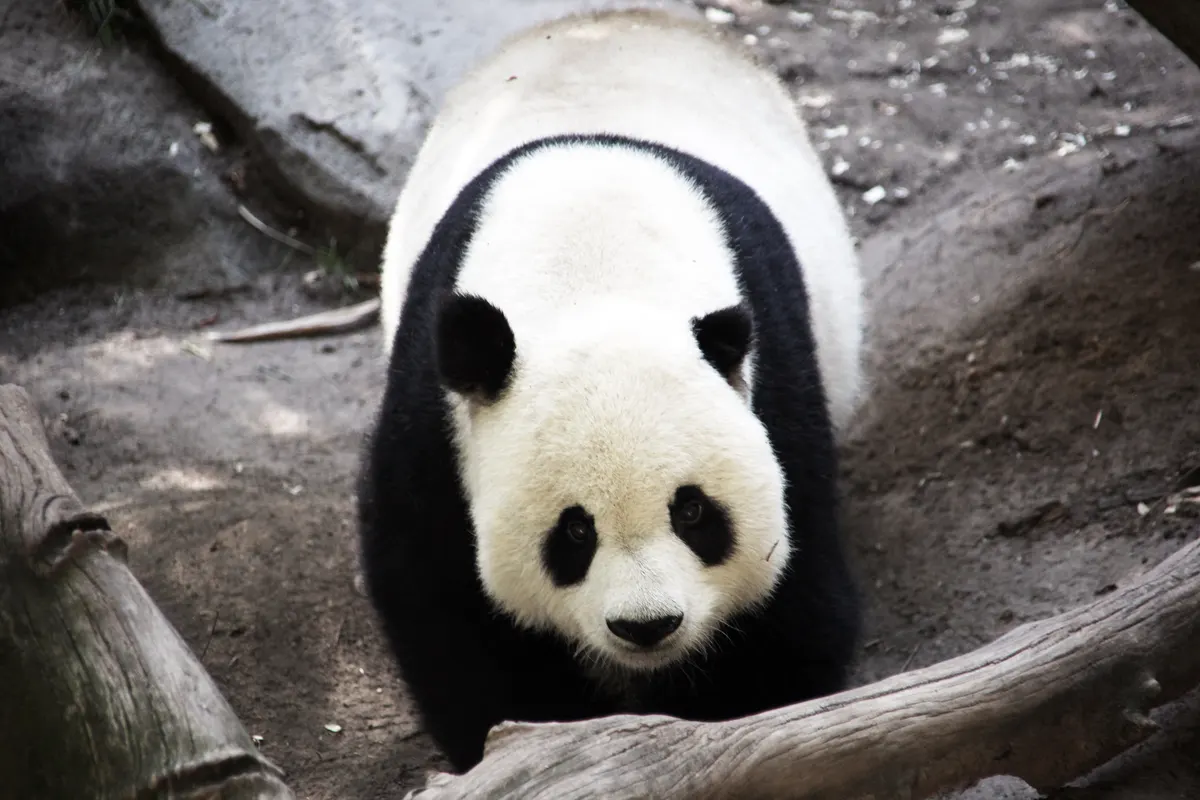
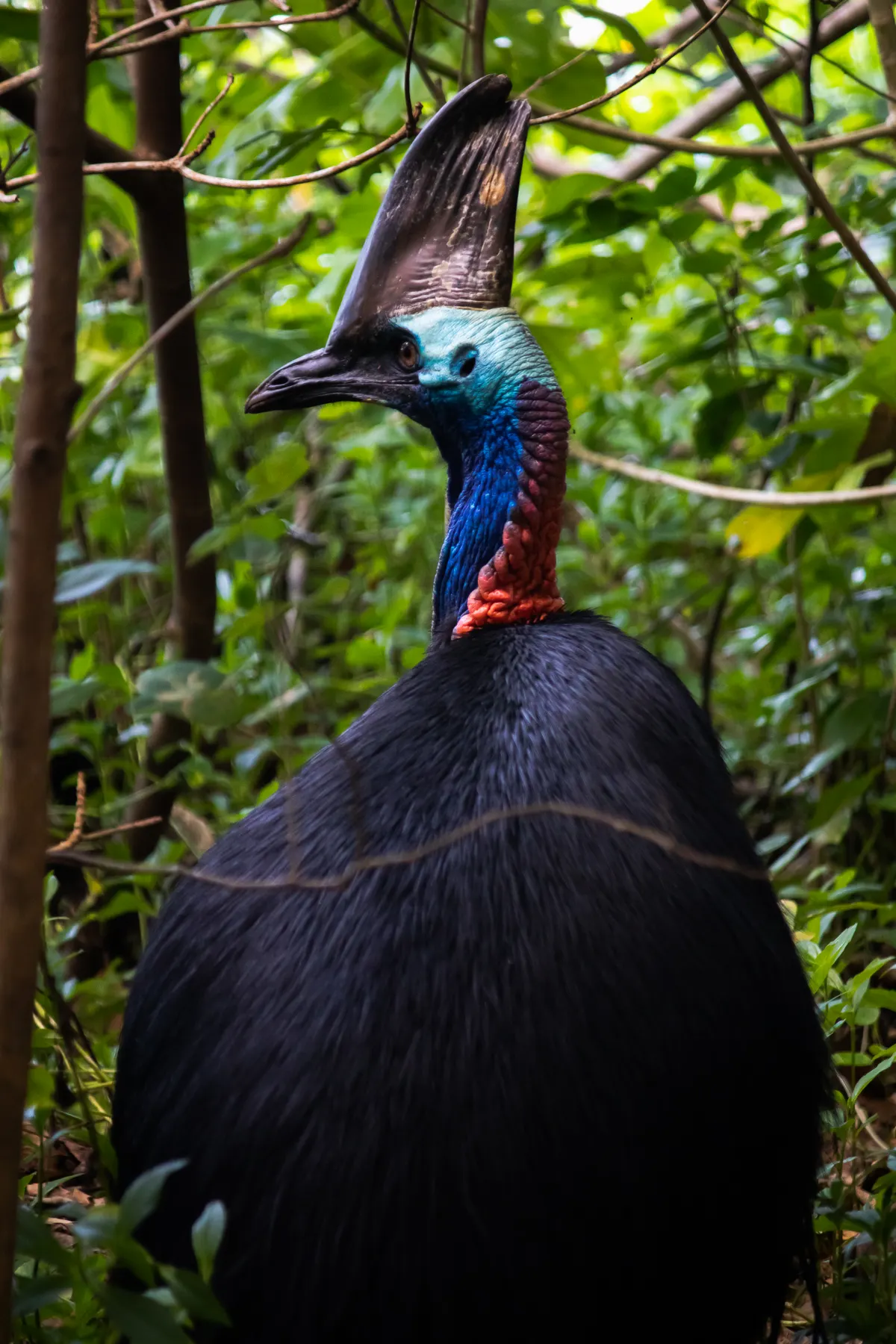
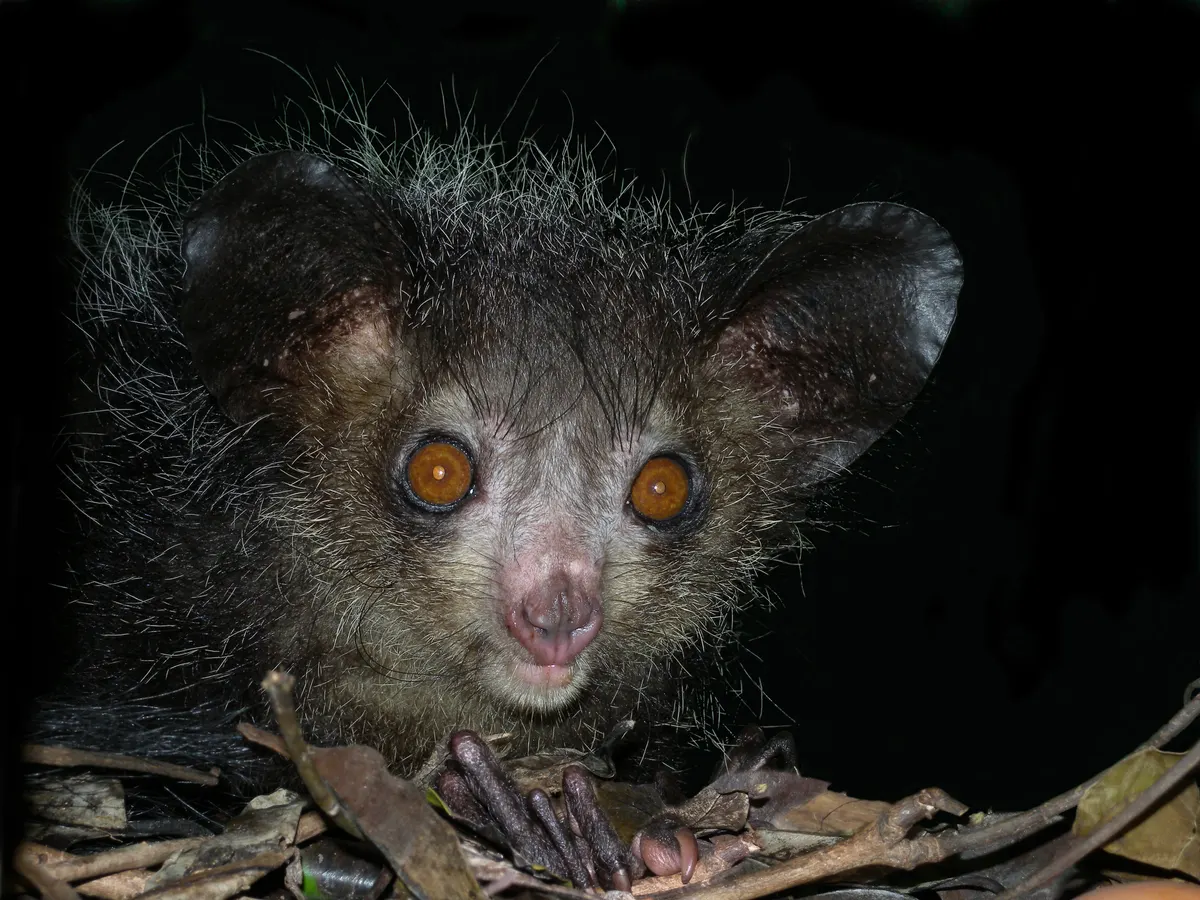
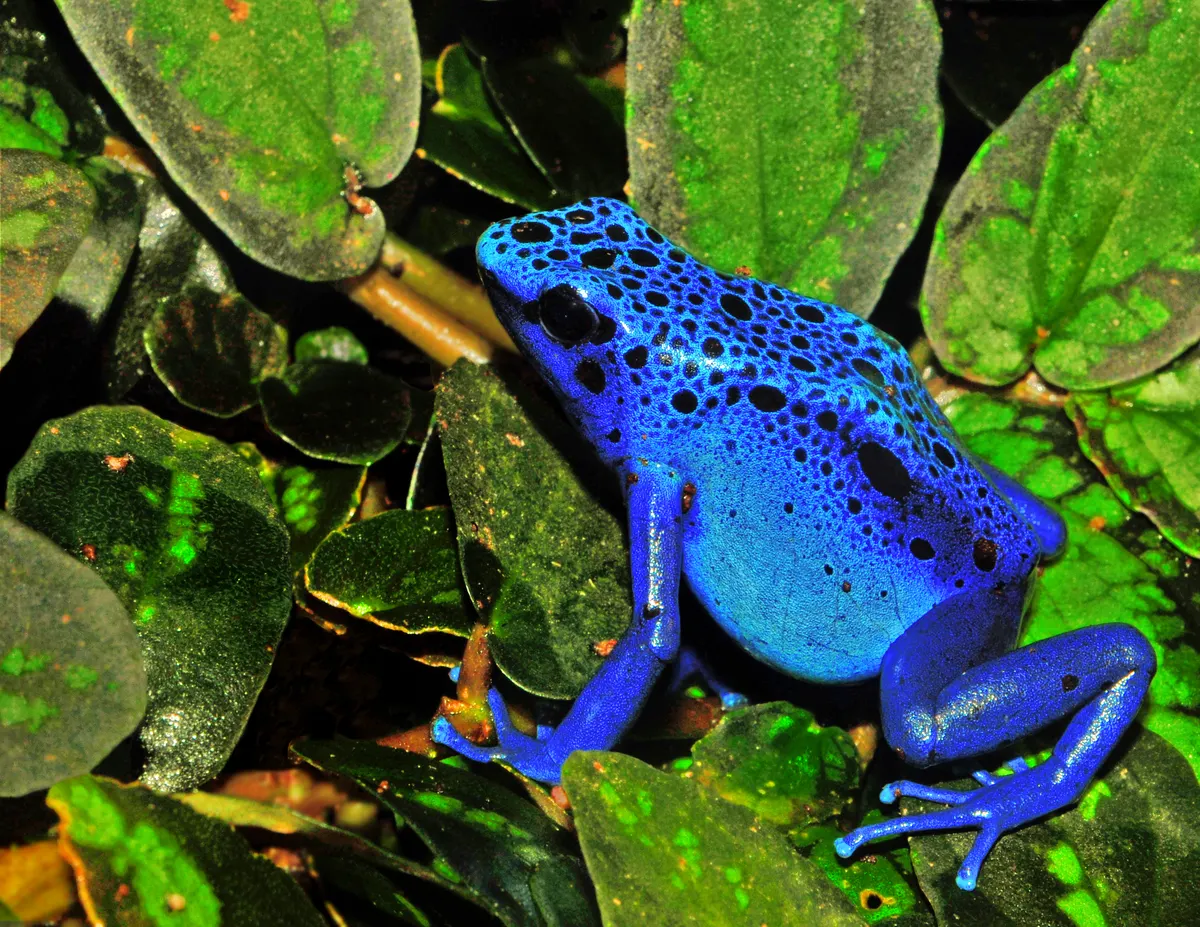
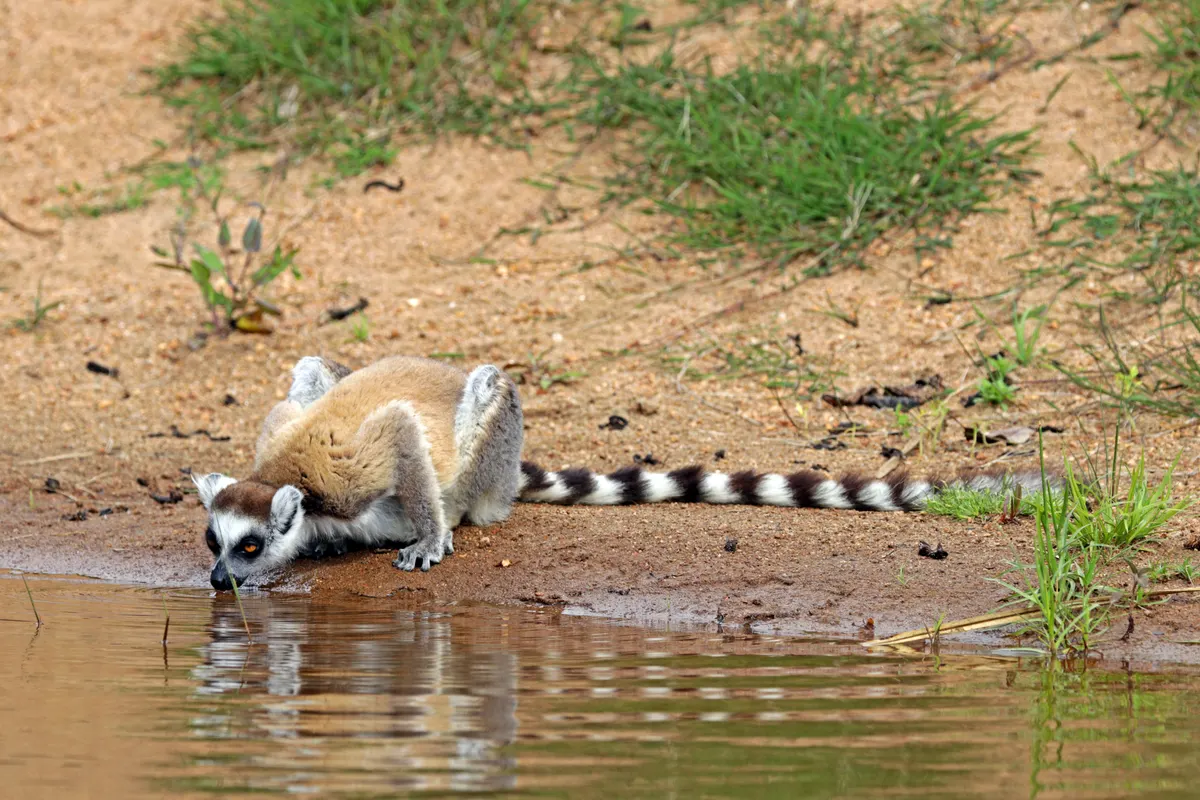
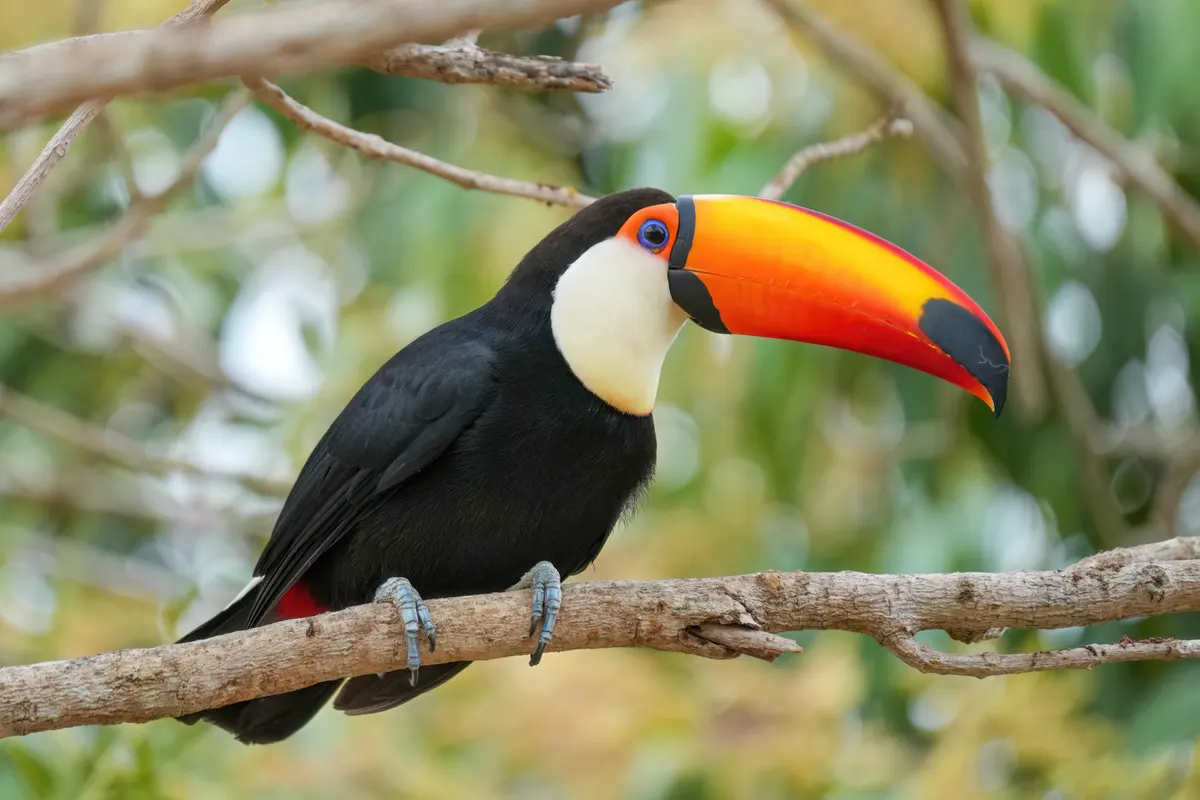
Forest animals include tigers, jaguars, gorillas, orangutans, sloths, toucans, giant pandas, moose, wolves, owls, poison dart frogs and leafcutter ants. Forest is the largest habitat group in this encyclopedia, but these species do not share one forest. Jaguars, sloths and toucans live in the Americas; orangutans in Borneo; gorillas and okapis in Central Africa; giant pandas in the mountains of China; ring-tailed lemurs and aye-ayes in Madagascar; and koalas, cassowaries and sugar gliders in Australia or New Guinea.

A forest also has several habitats stacked on top of each other. The useful question is often not only which animals live in a forest, but where in the forest they feed, rest and raise young.

Start here

Featured species

6 entry points into this cluster — each profile has range, diet, behavior, and conservation detail.

Species directory

All 73 animals in this hub

Flagship species appear first. Open any card for range maps, diet, behavior, and conservation status.

Field guide

Ecology & context

Adaptations, threats, and comparisons — background for readers who want more than the species directory.

Canopy, understory and forest floor

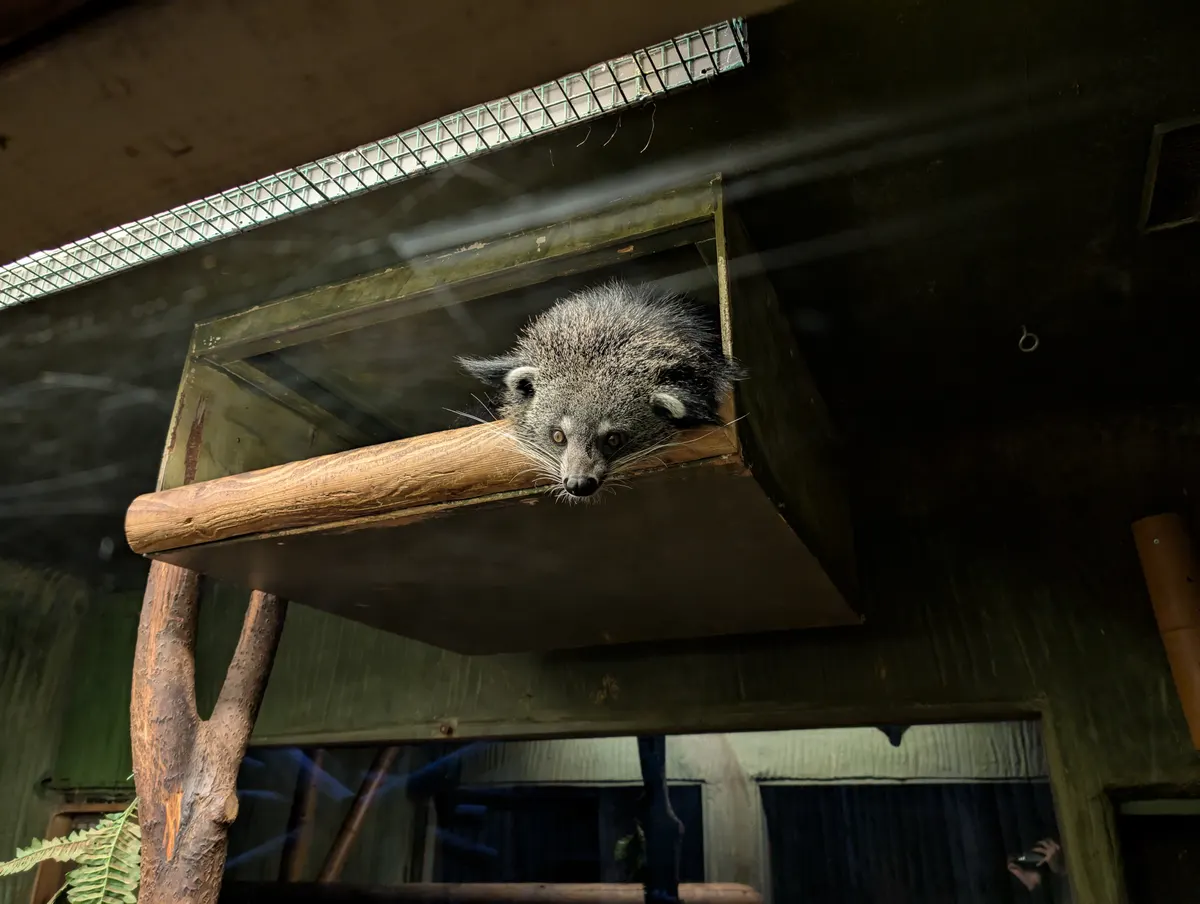
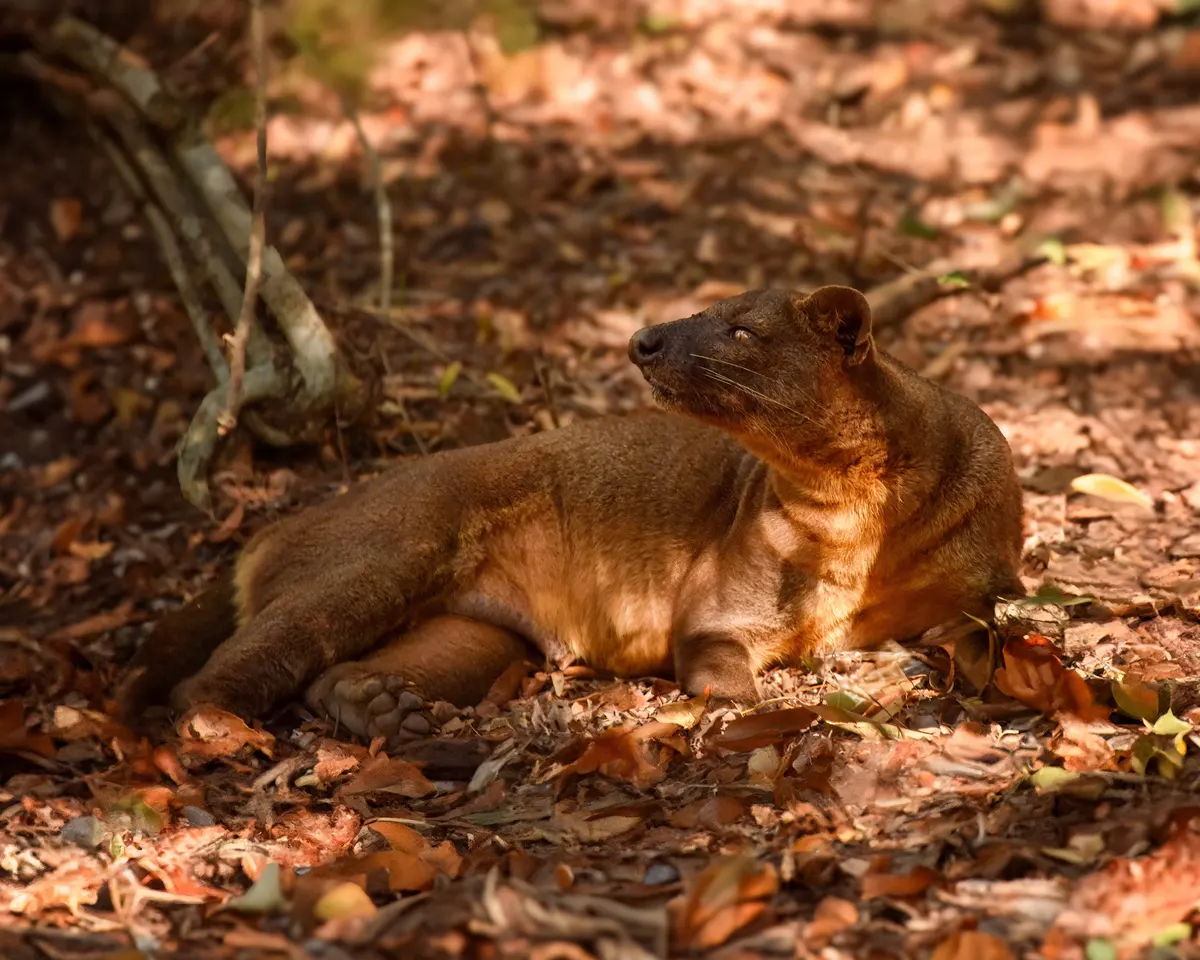
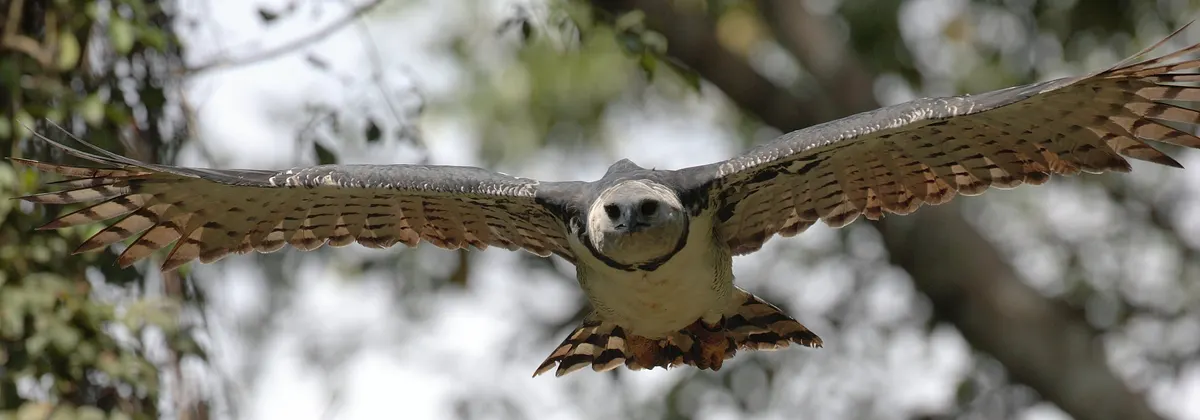
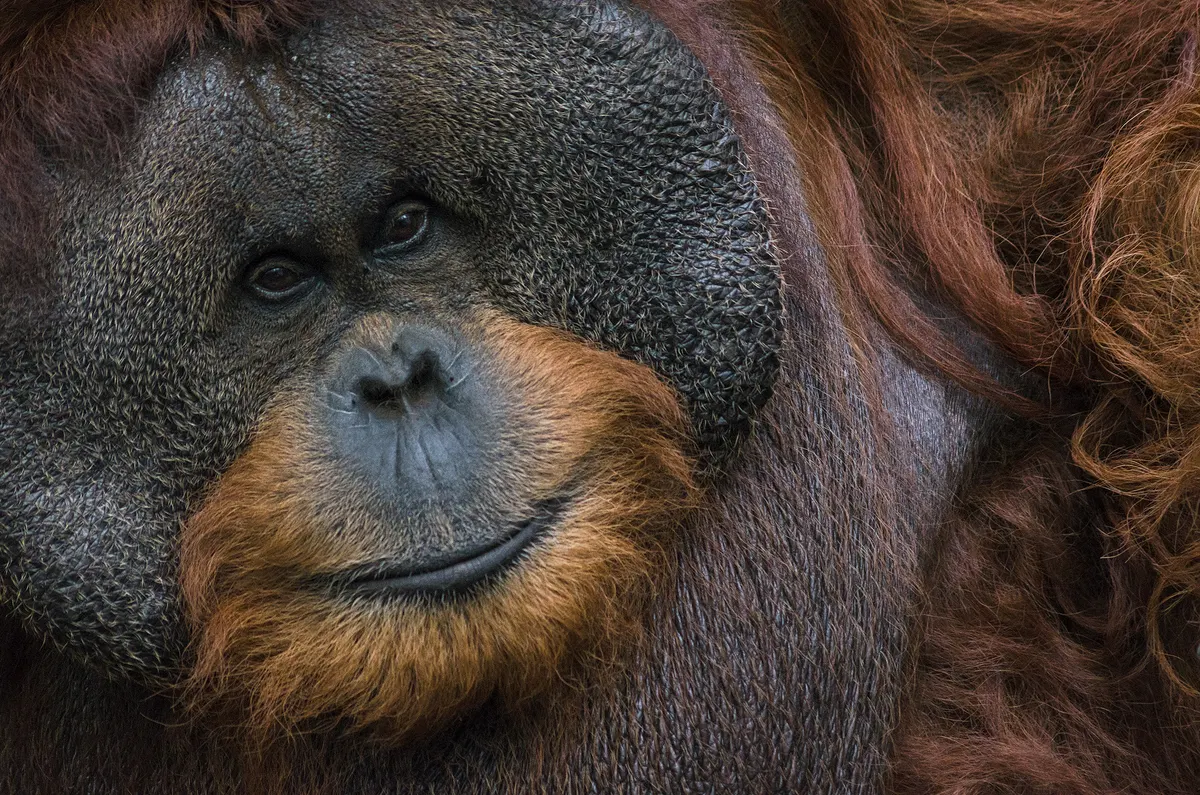
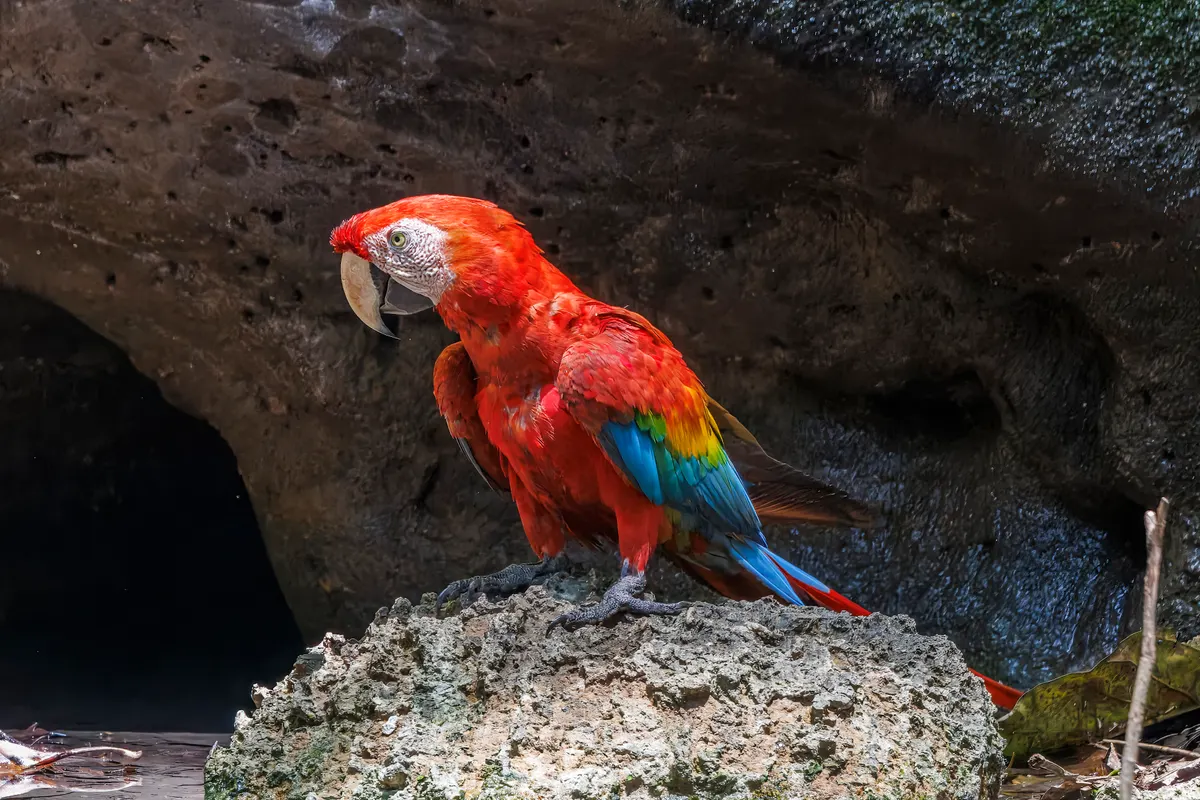
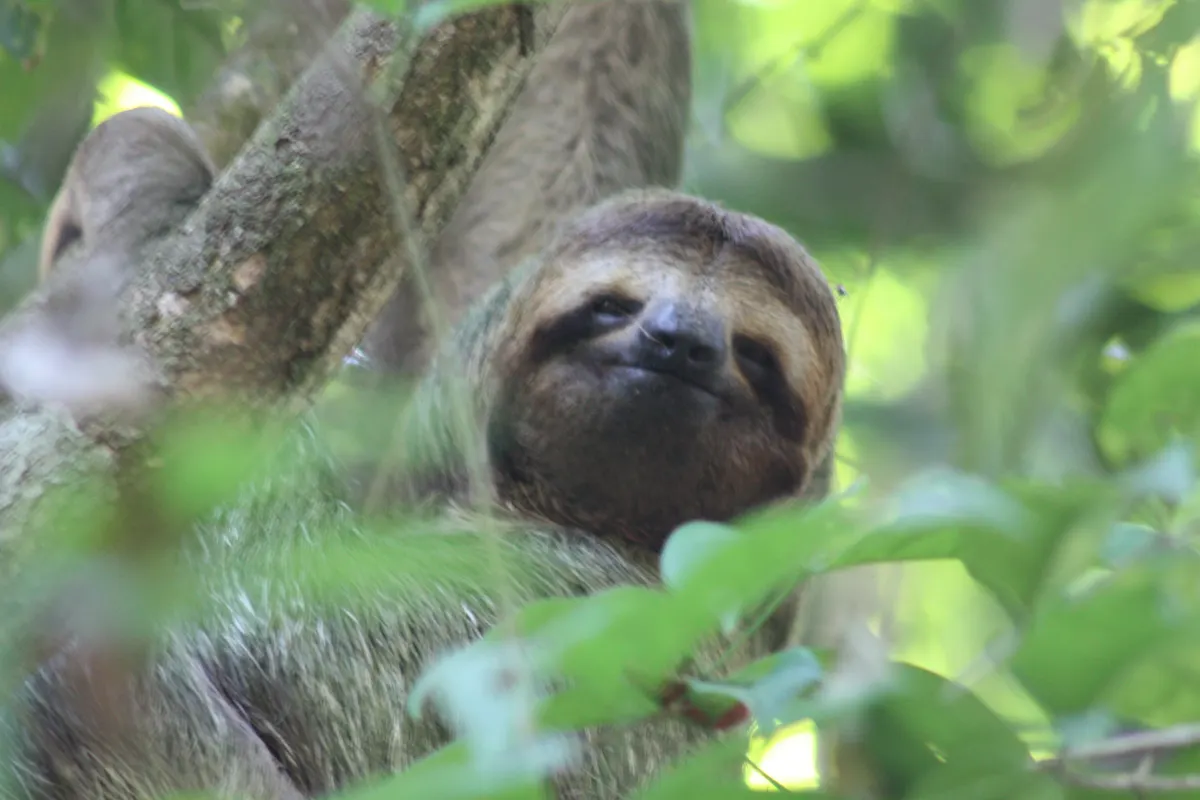
Canopy. Orangutans feed mostly on fruit and build a new tree nest most nights. Sloths, toucans and scarlet macaws stay high in tropical trees, and harpy eagles hunt sloths and monkeys there. Binturongs climb with a fully prehensile tail, while sugar gliders glide between trees on a skin membrane.

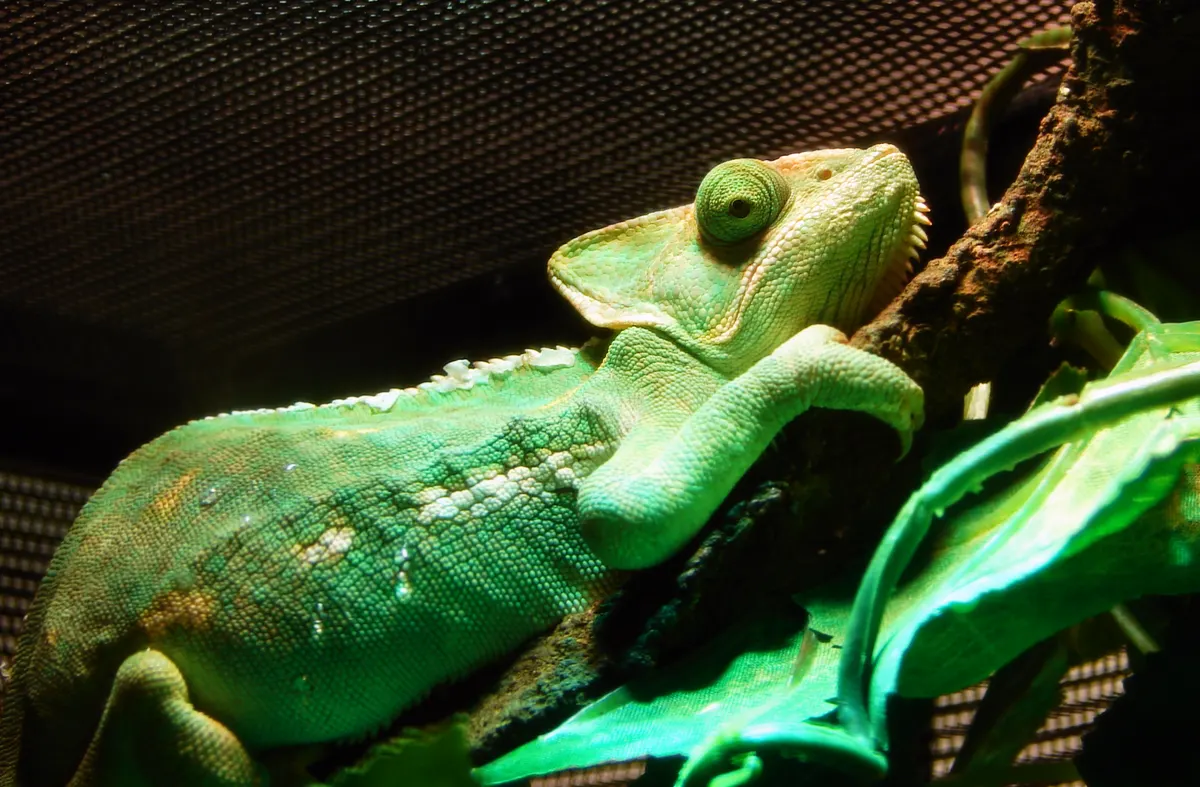
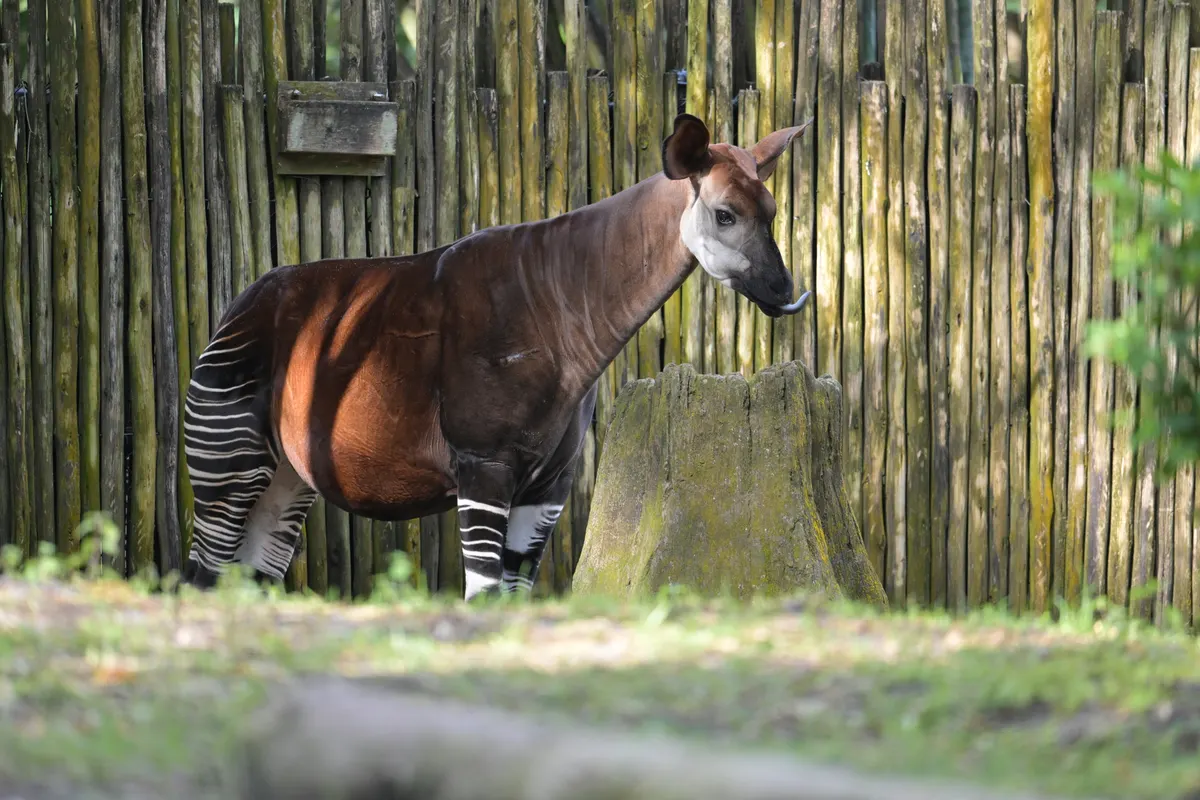
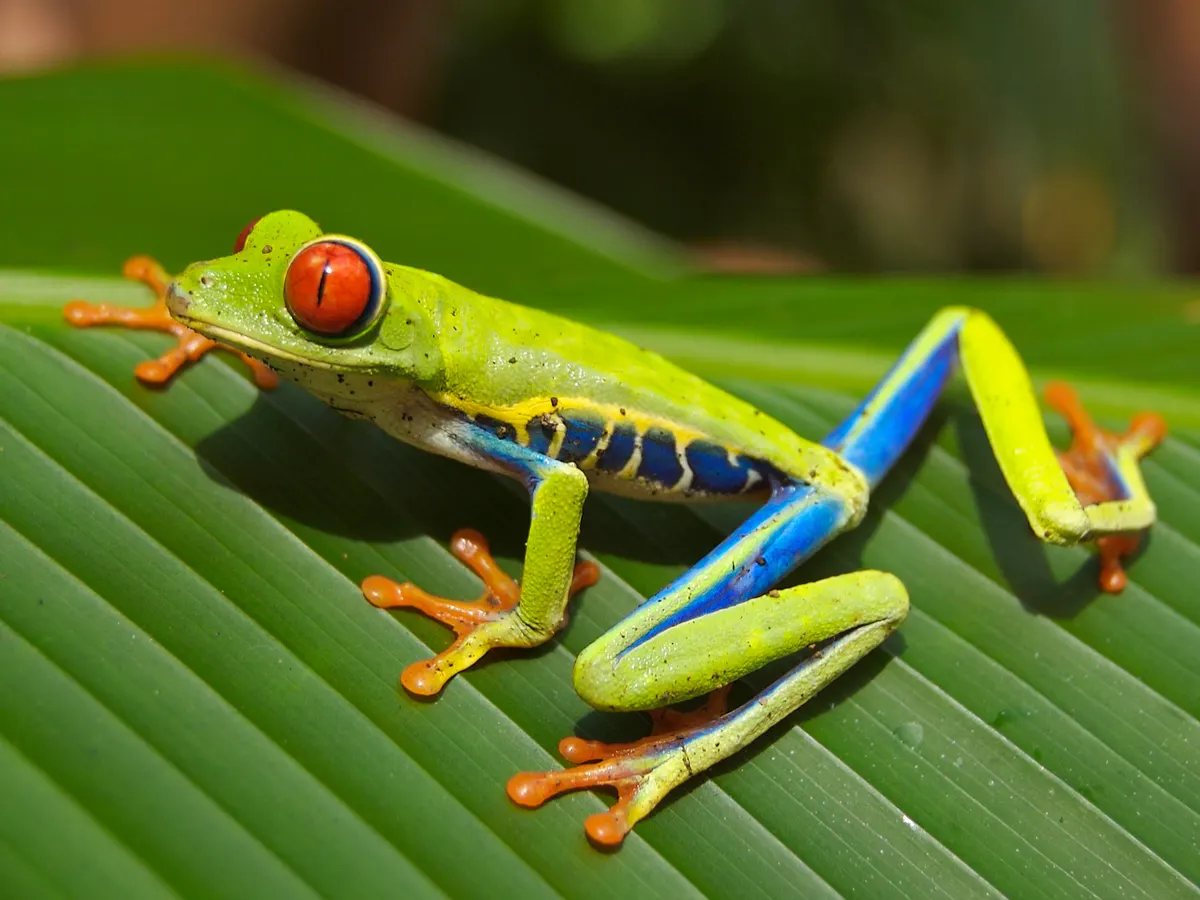
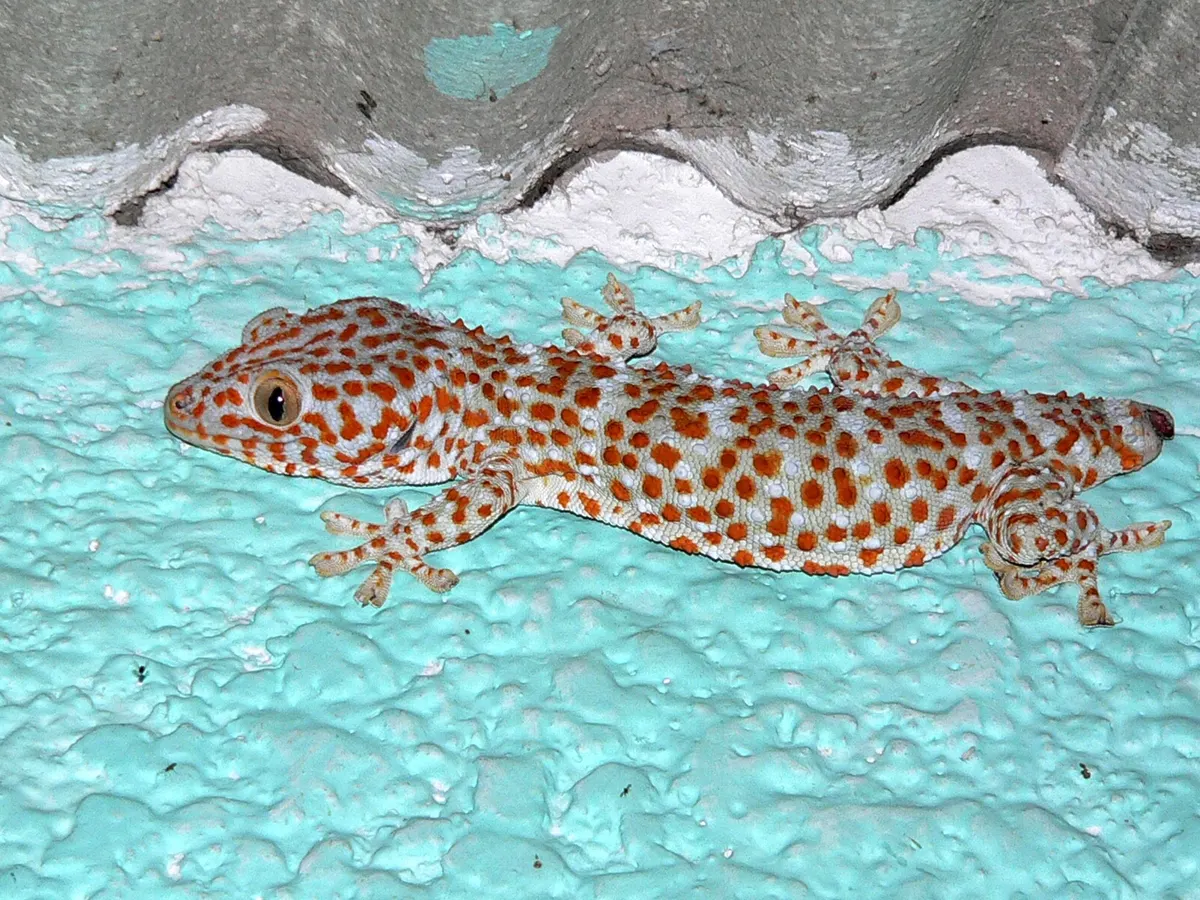
Trunks and understory. Red-eyed tree frogs, chameleons and tokay geckos hunt insects among leaves, branches and trunks. Okapis browse leaves, buds and fruit in the dense understory of the Congo rainforest.

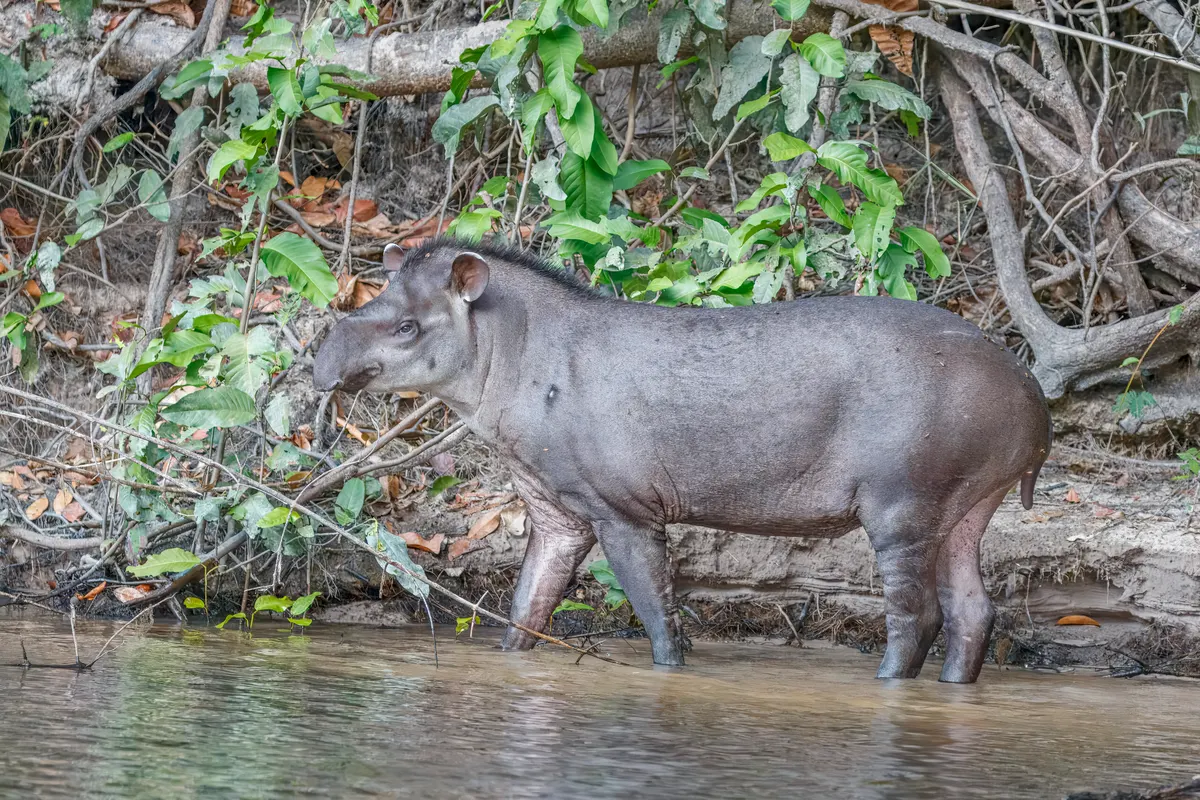
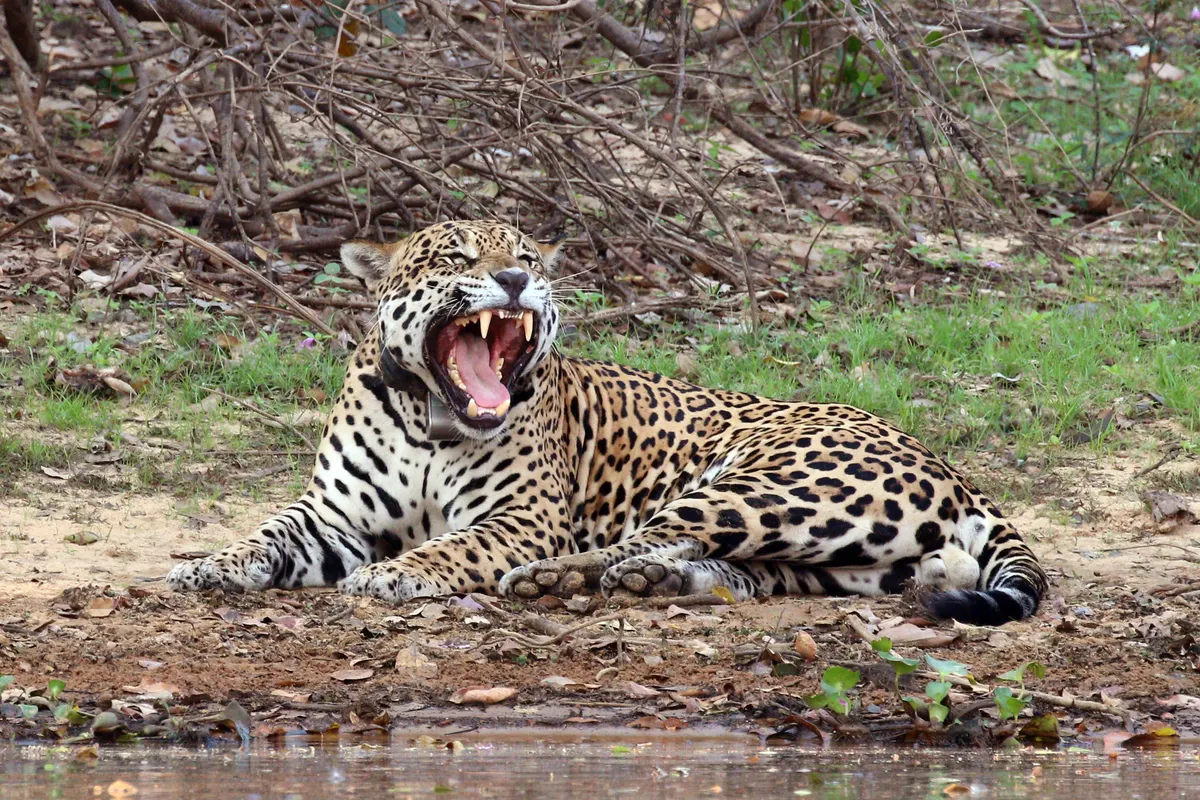
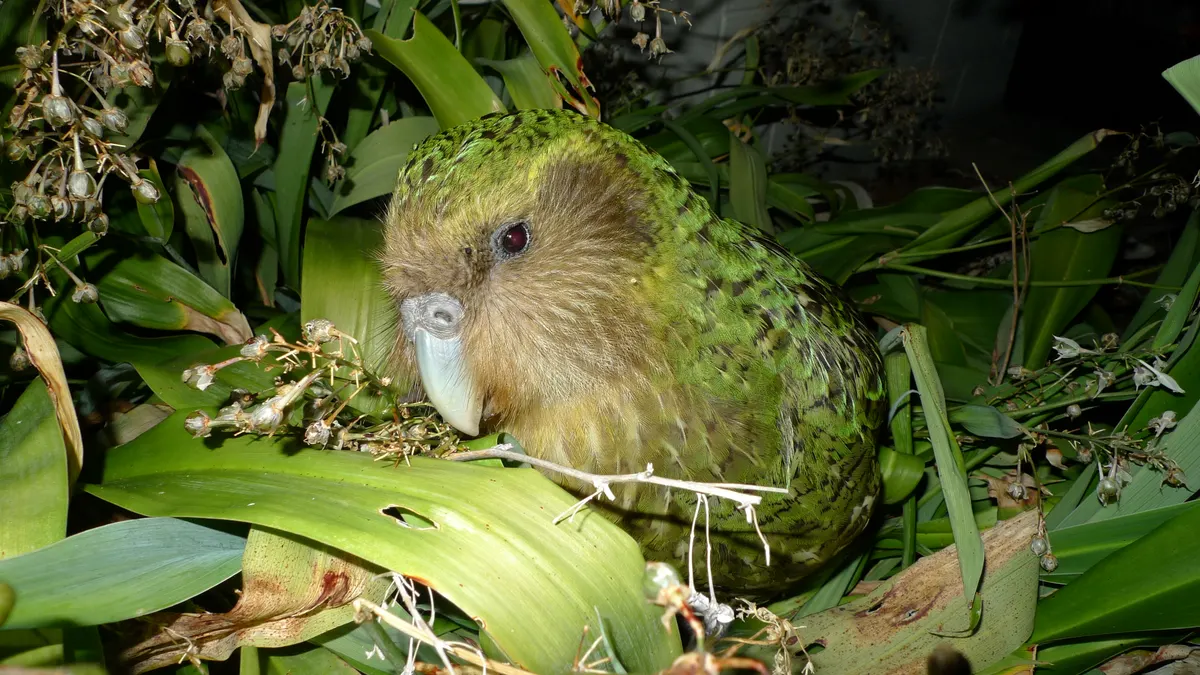
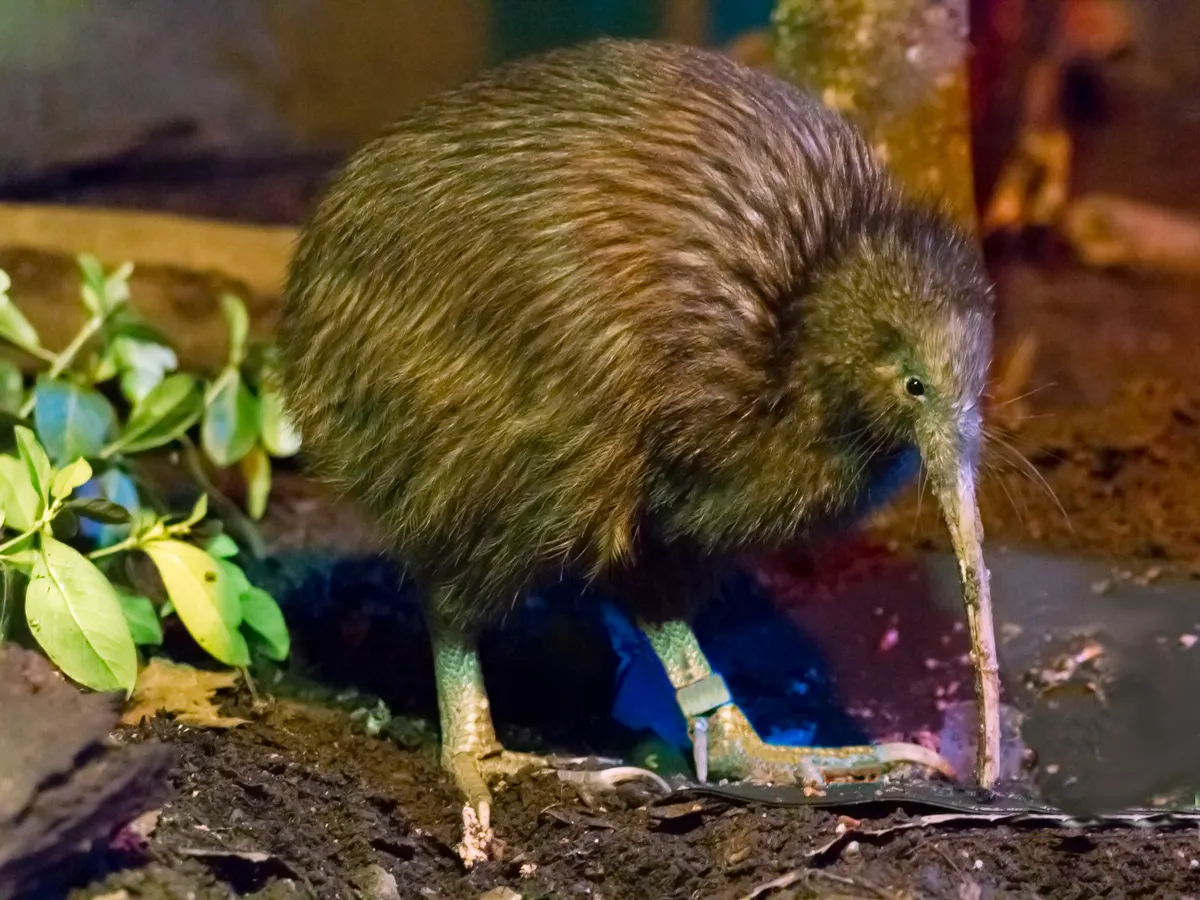
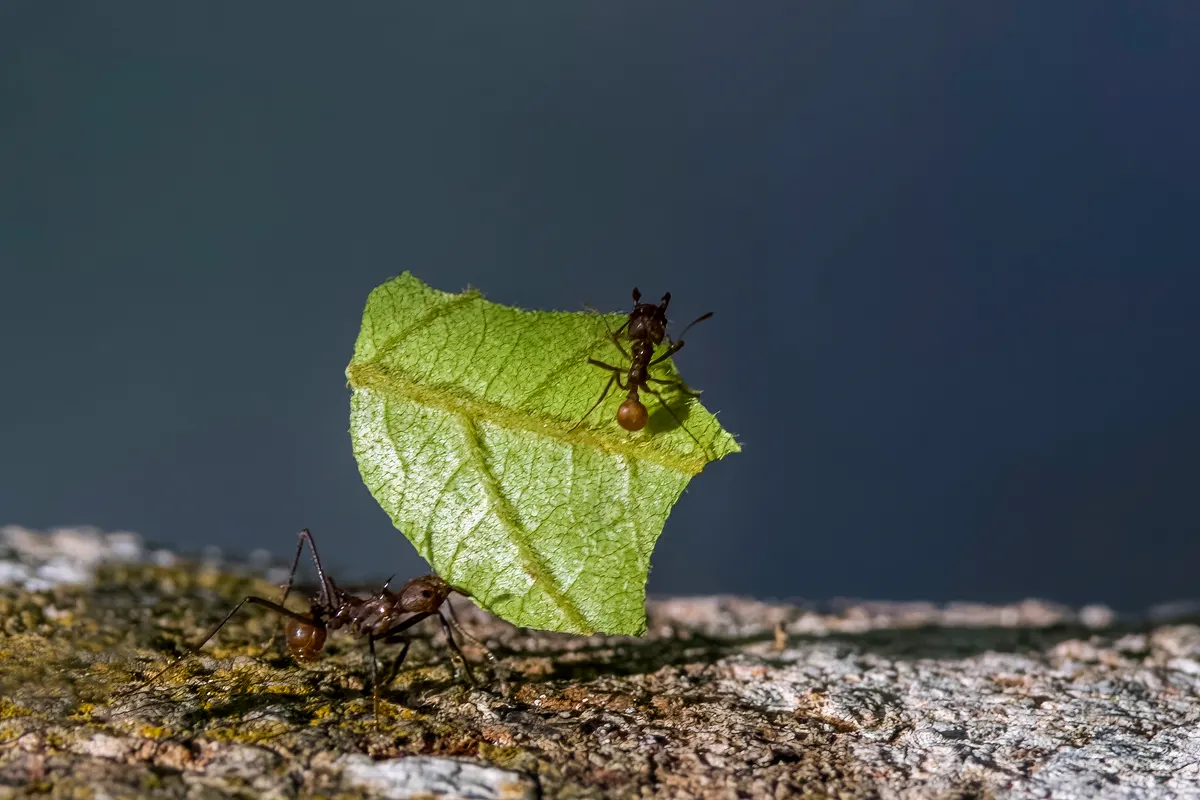
Forest floor. Tigers and jaguars hunt on the ground, and Brazilian tapirs and cassowaries feed there. In New Zealand, the flightless kiwi probes soil for earthworms and the flightless kakapo nests on the ground. Leafcutter ants carry cut leaves to underground fungus gardens, and fire salamanders shelter in damp leaf litter and under logs.

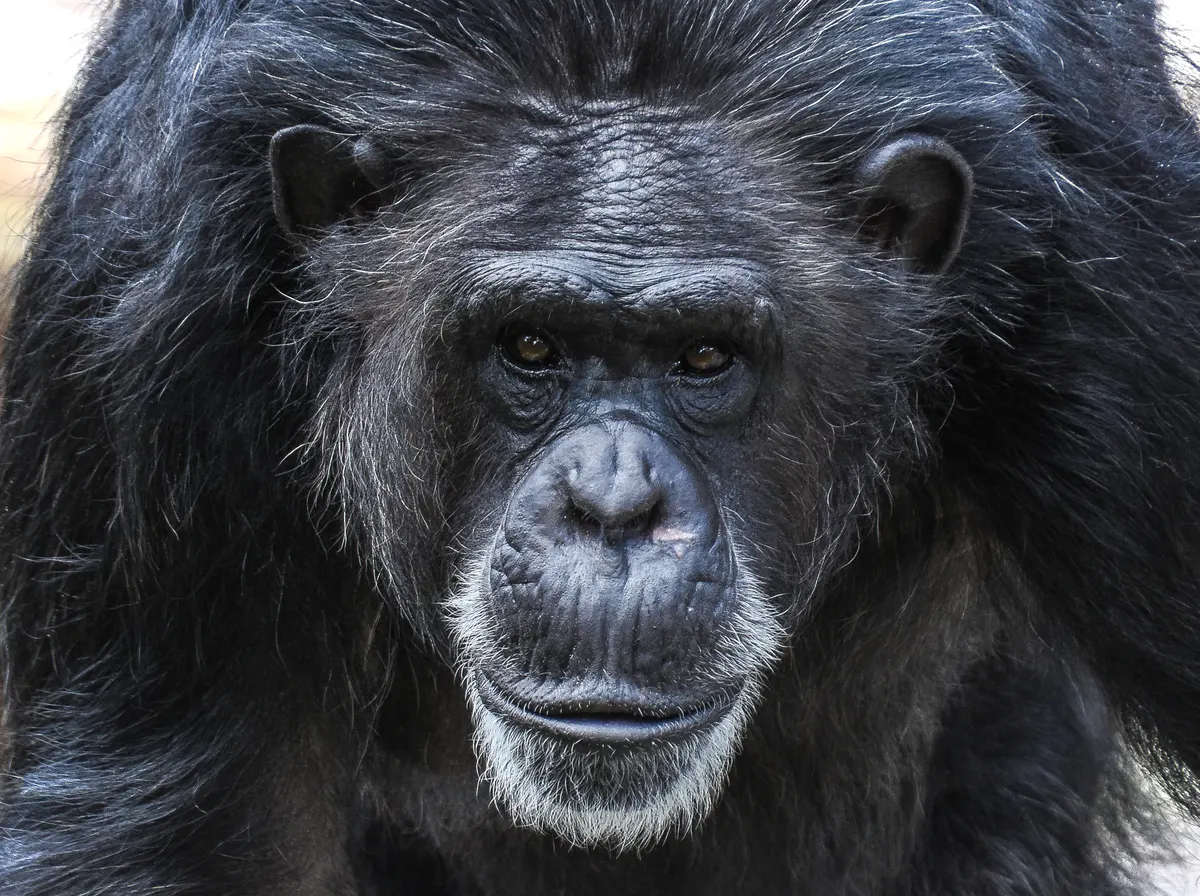
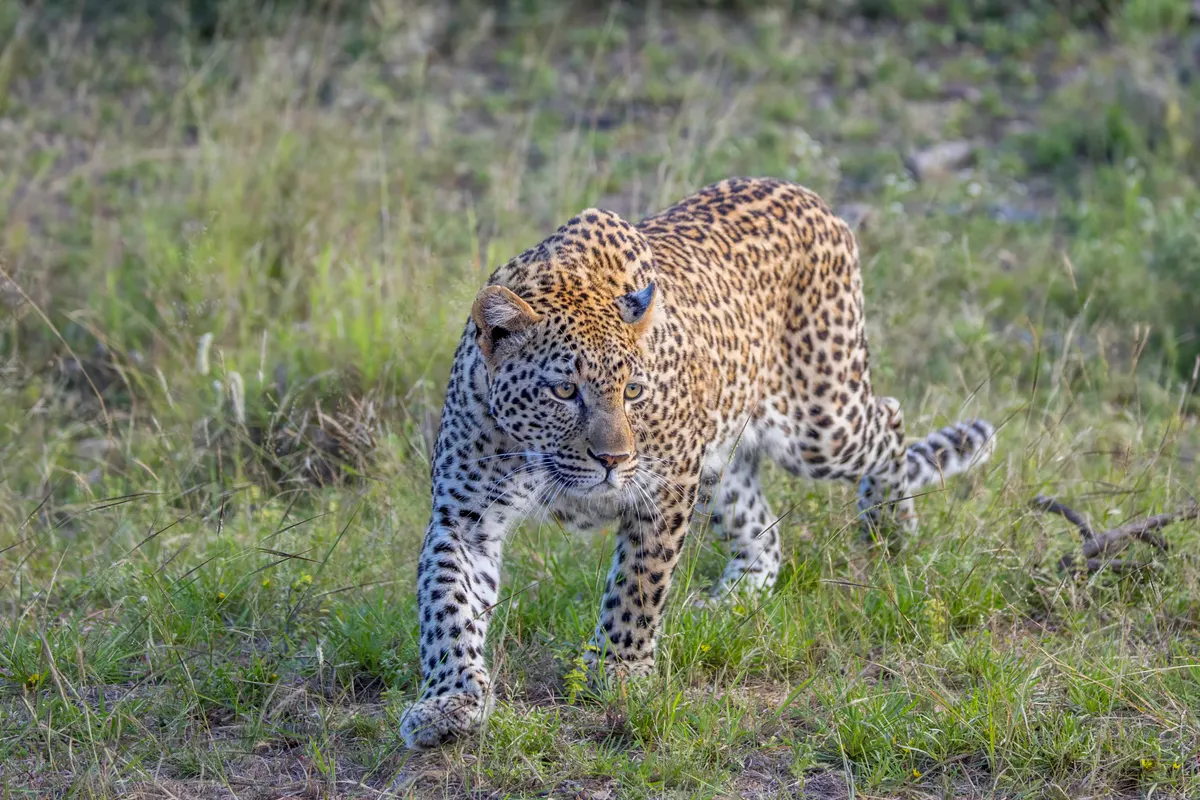
Many species move between layers. Leopards hunt on the ground but often rest in trees, and chimpanzees travel on the ground between fruiting trees.

Forest carnivores, herbivores and omnivores

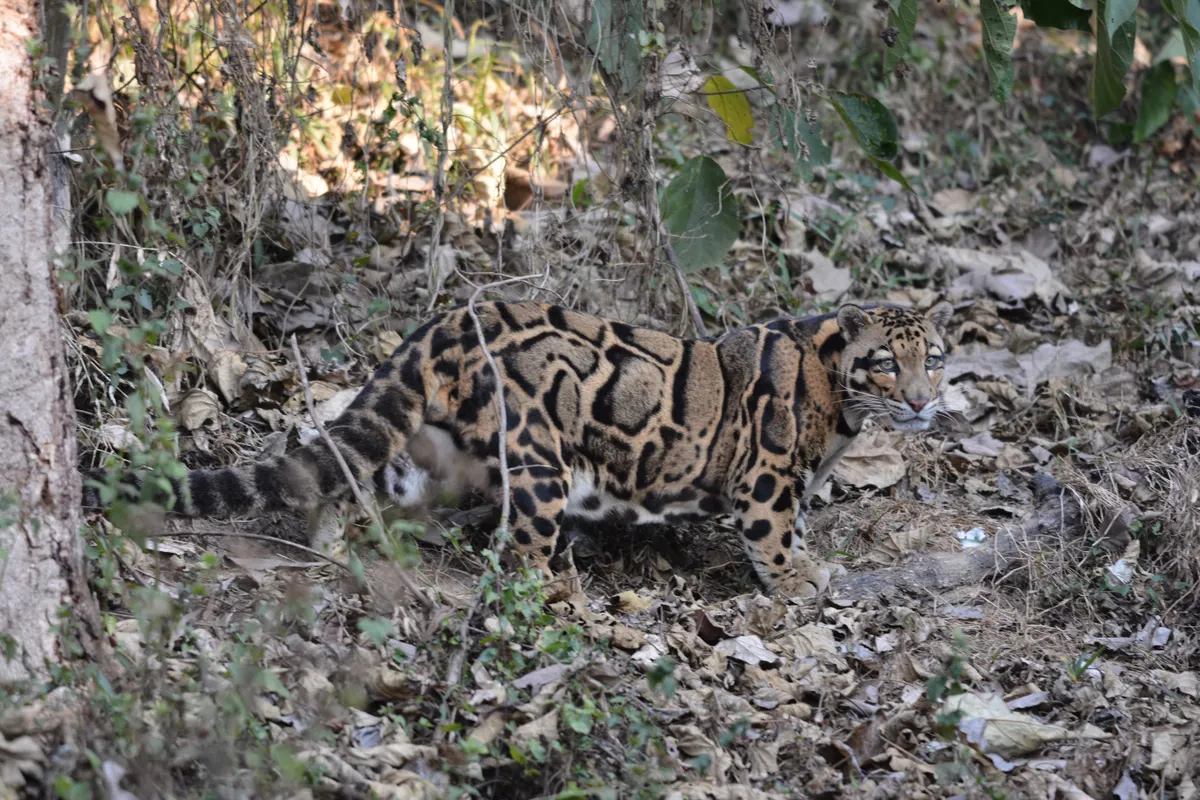
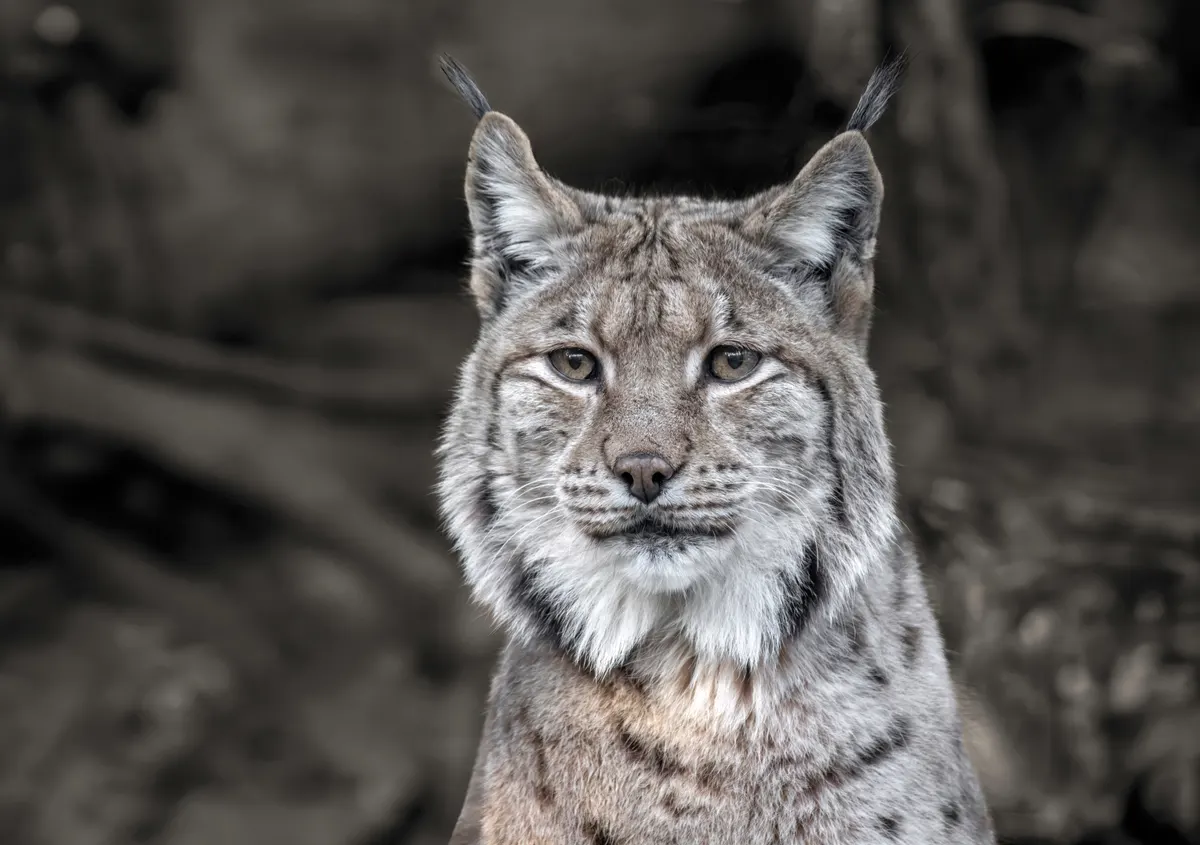
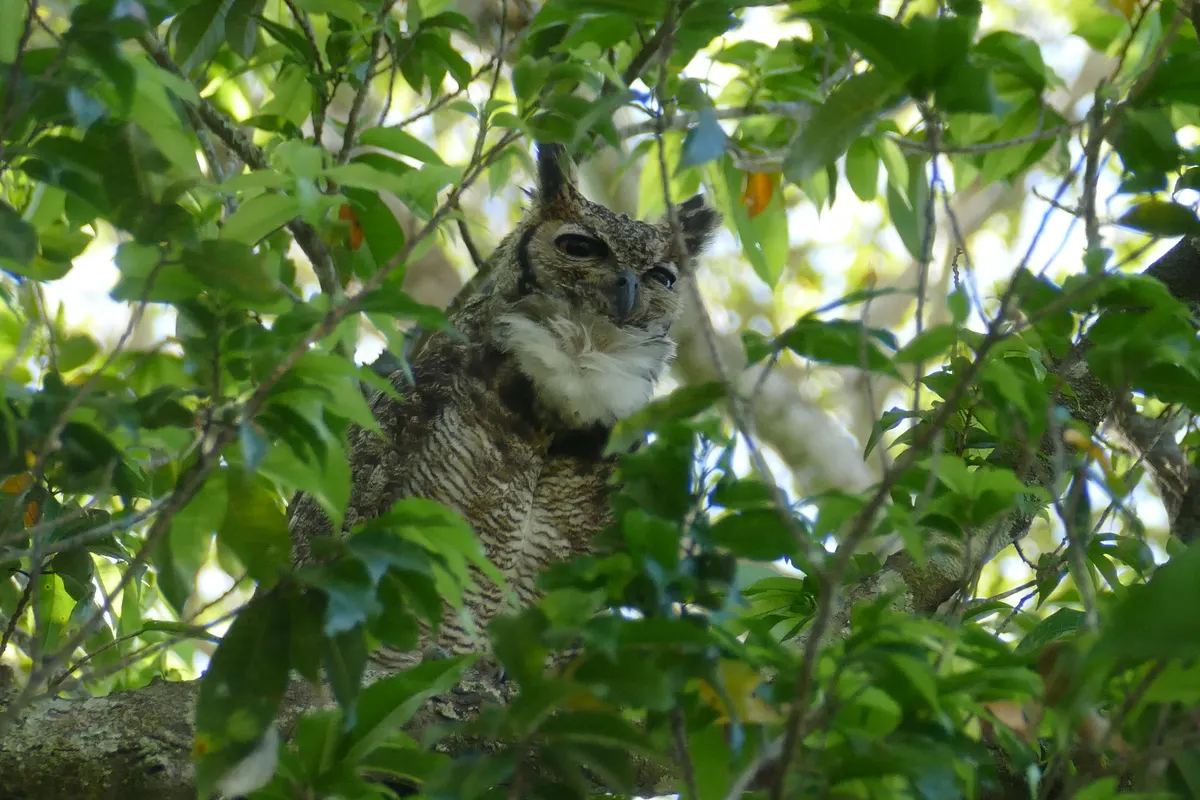
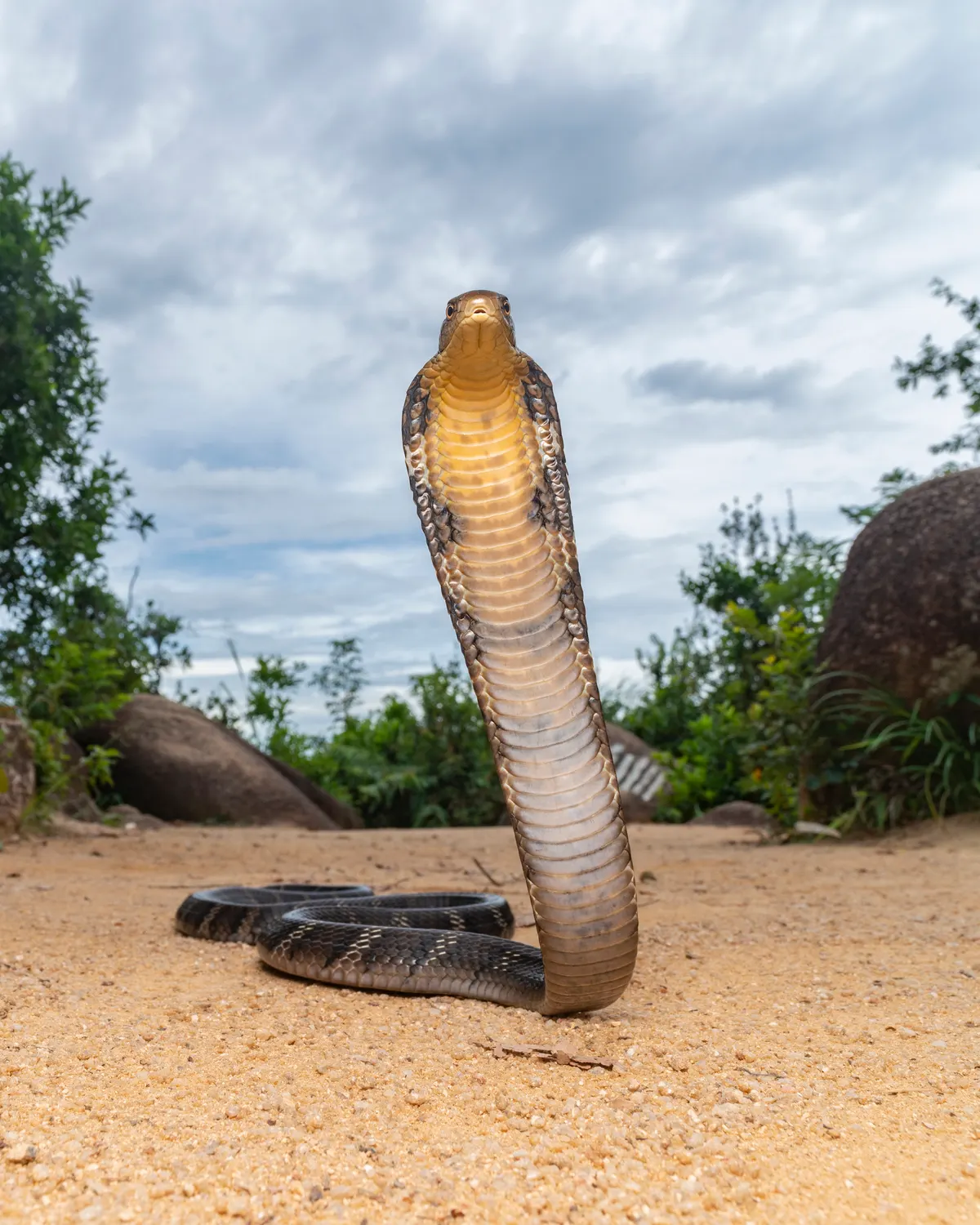
Carnivores include tigers, jaguars, clouded leopards, the Eurasian lynx, bobcats, great horned owls, harpy eagles and the king cobra, which mainly eats other snakes.

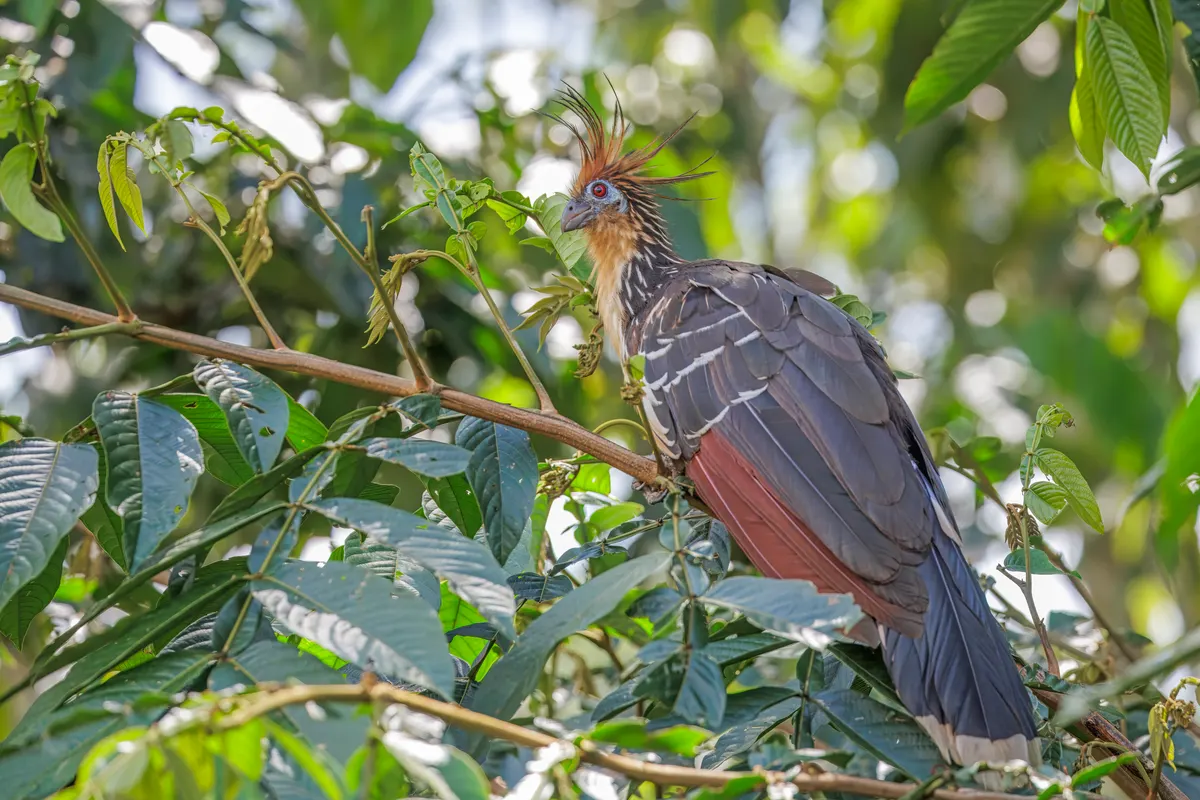
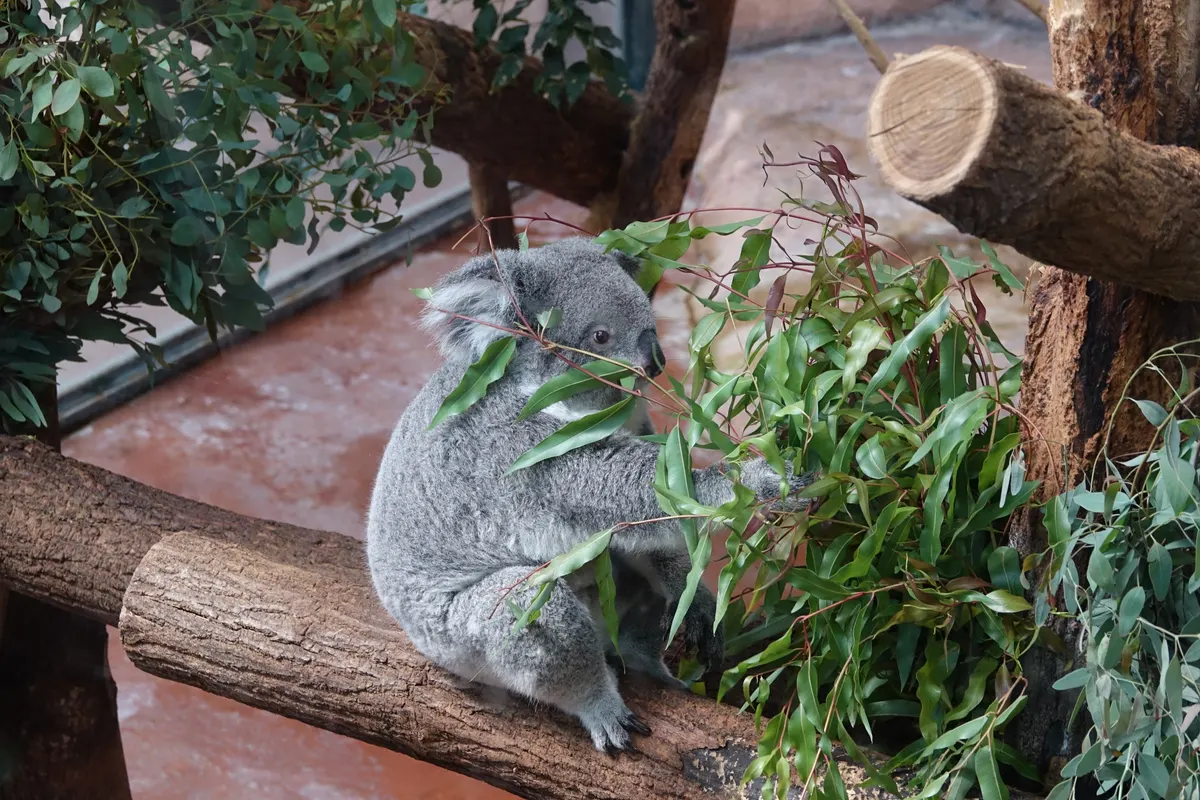
Herbivores include moose, giant pandas, gorillas, koalas, sloths, okapis and the hoatzin, a bird that ferments leaves in its enlarged crop.

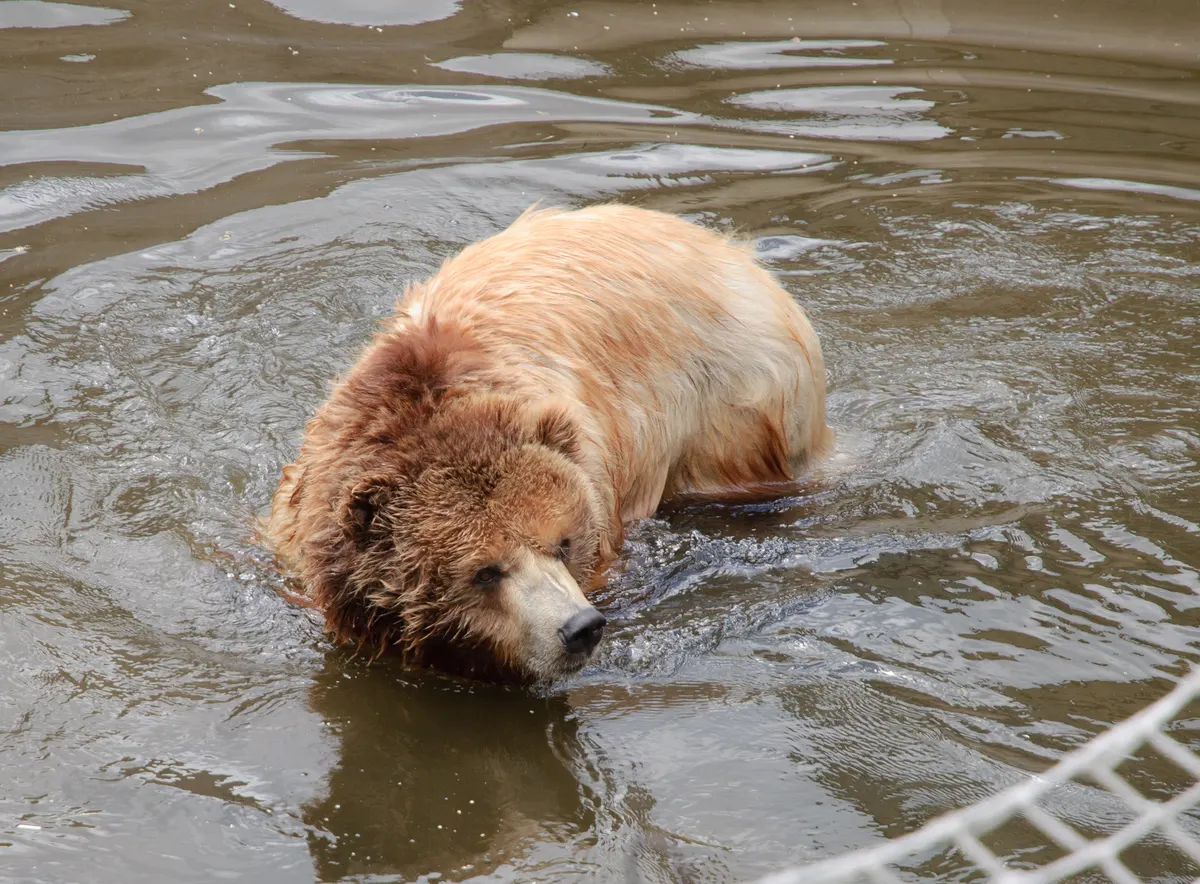
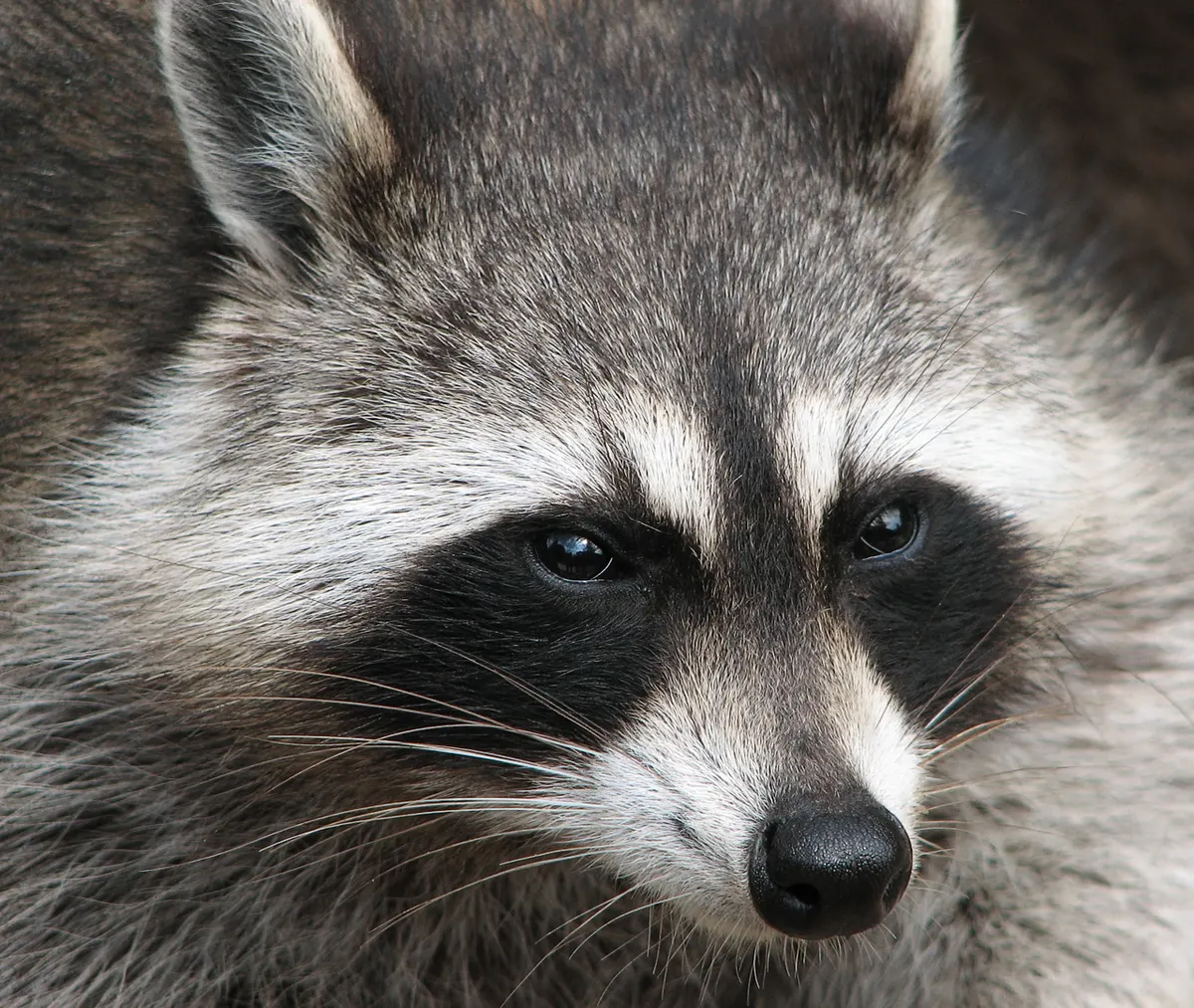
Omnivores include chimpanzees, raccoons, grizzly bears, sun bears, cassowaries and binturongs, which eat mainly fruit and help spread strangler fig seeds.

Compare them in the carnivore, herbivore and omnivore collections.

Rainforest, temperate and boreal forests

Tropical rainforest stays warm and wet near the equator, and is home to most of the canopy specialists above: poison dart frogs, harpy eagles, orangutans, okapis and mandrills.

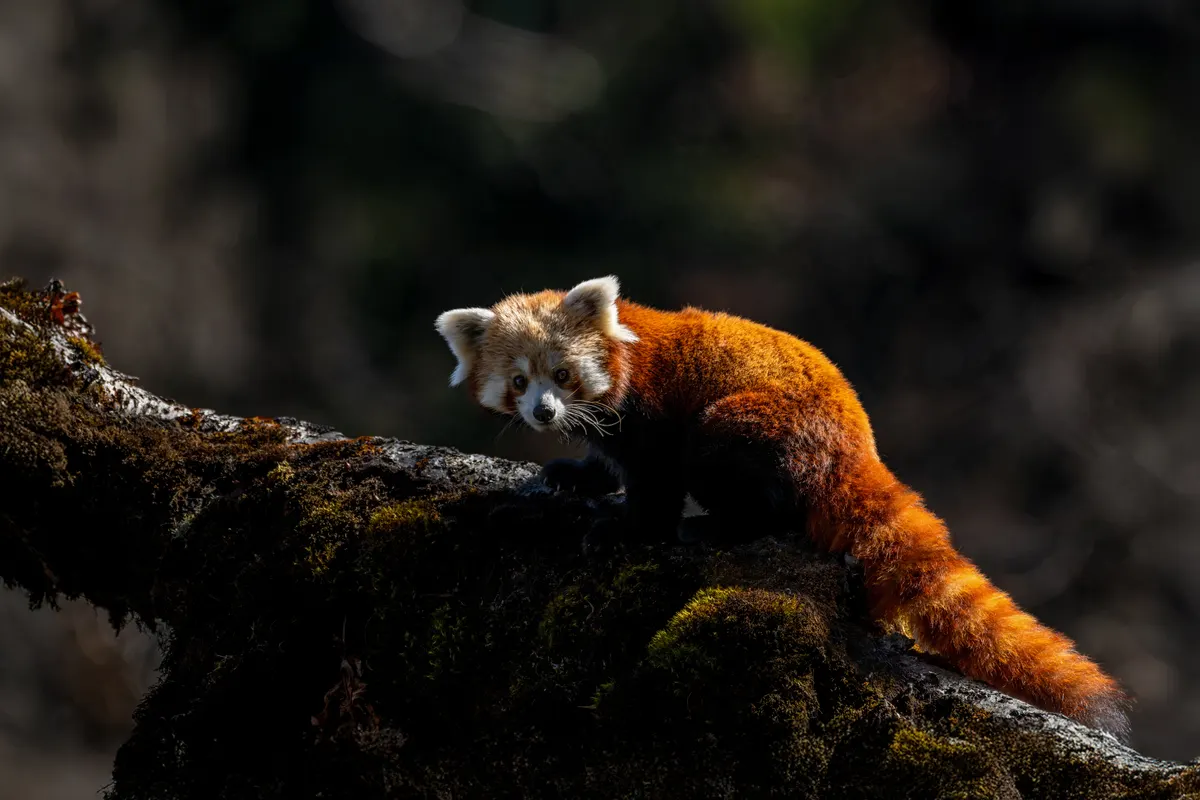
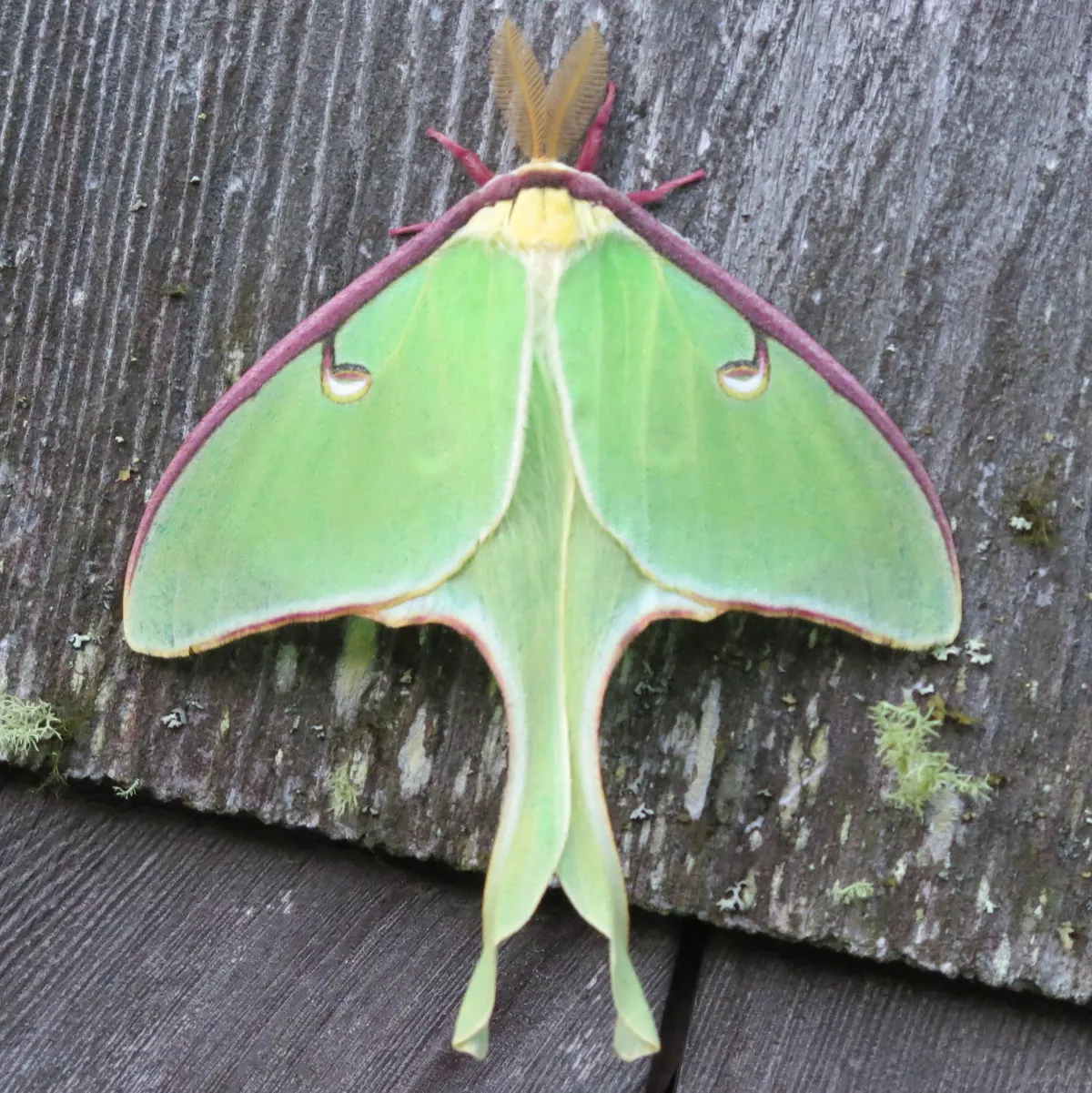
Temperate forest in eastern North America, Europe and East Asia has four distinct seasons. Raccoons, luna moths and ruby-throated hummingbirds live in North American woods, fire salamanders in European deciduous forest, and giant pandas and red pandas in mountain forests with bamboo.

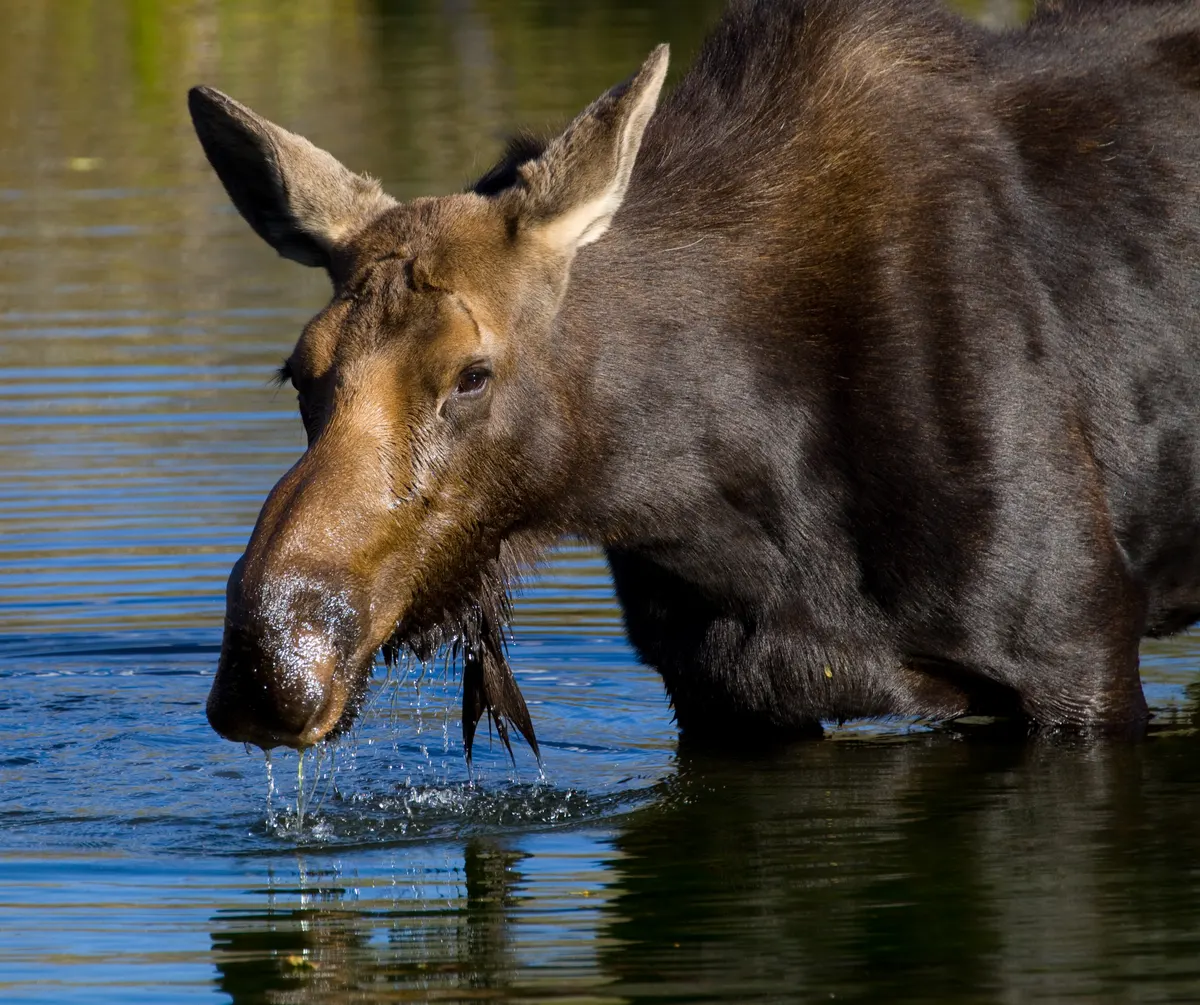
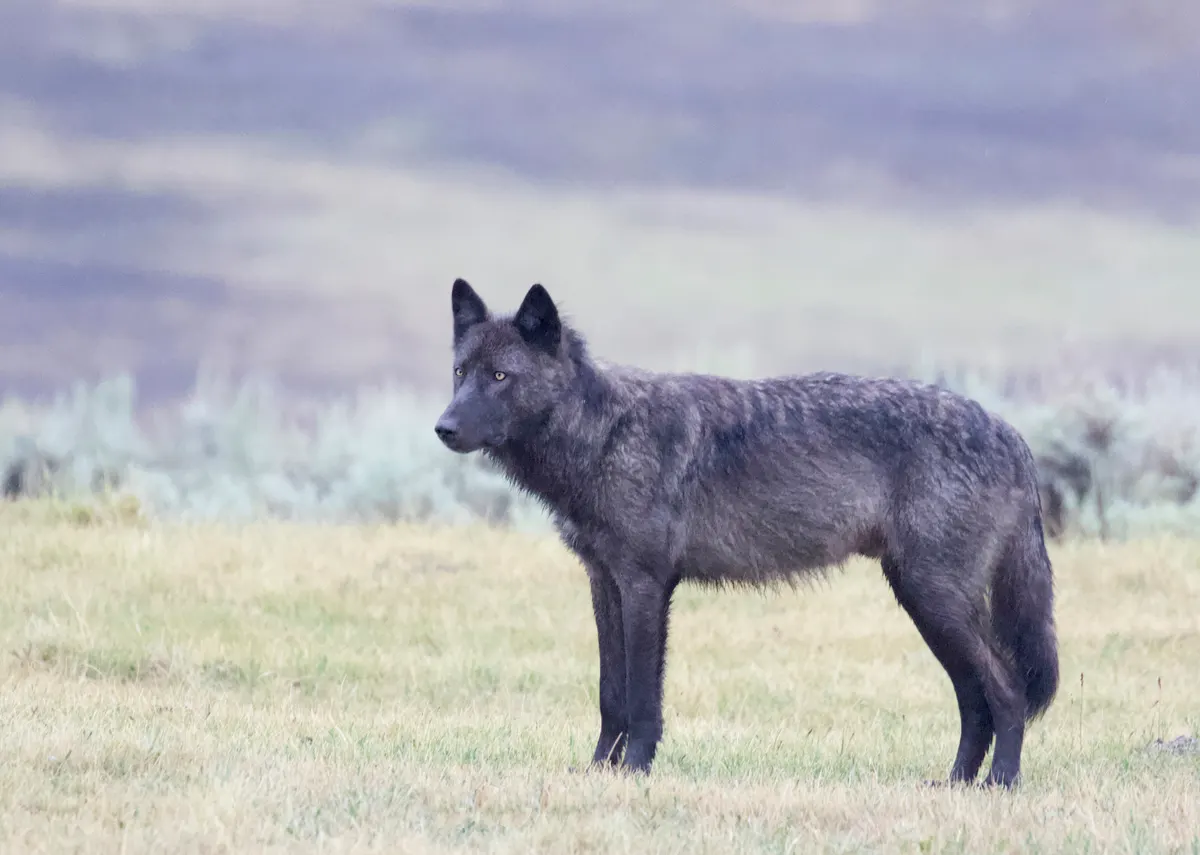
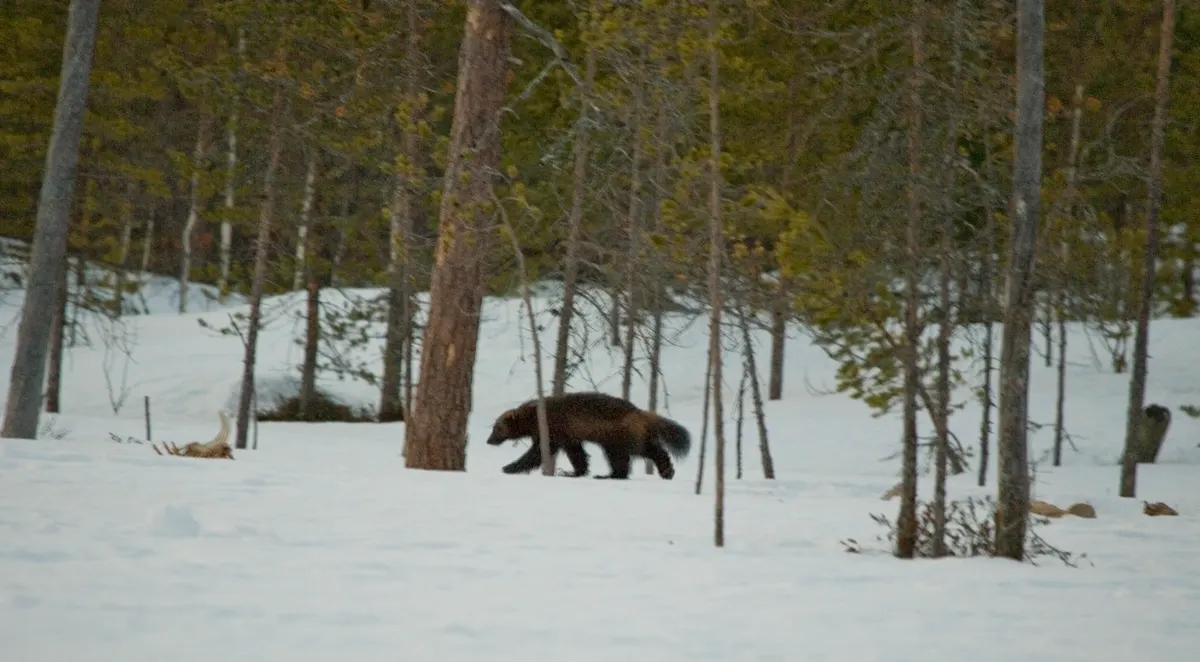
Boreal forest, or taiga, is dominated by conifers across Alaska, Canada, Scandinavia and Siberia, with long winters below freezing. Moose, wolverines, wolves and the Eurasian lynx use these northern forests.

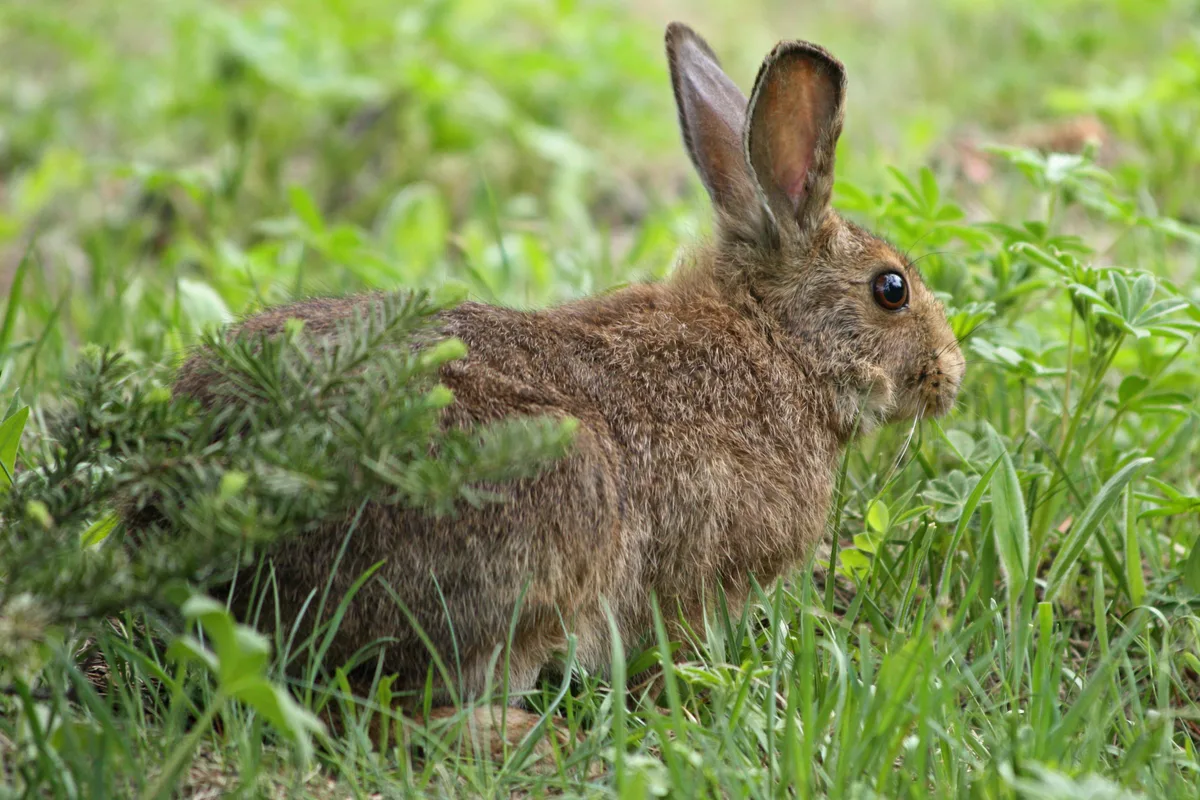
In North America's boreal forests, the Canada lynx depends heavily on the snowshoe hare. Both have broad, furry feet suited to snow, but they occupy different feeding roles: the hare eats plants while the lynx hunts it. Dense low vegetation provides hare food and shelter, linking the predator's needs to the structure of the forest understory.

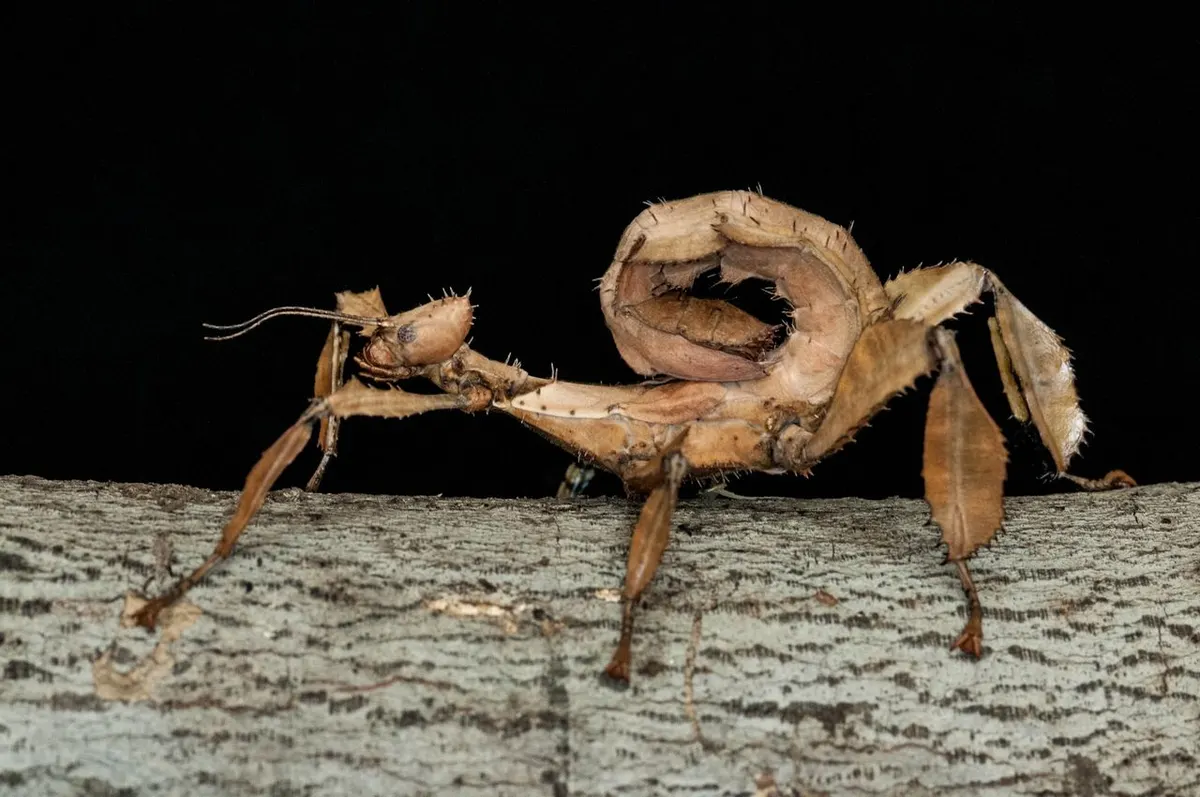
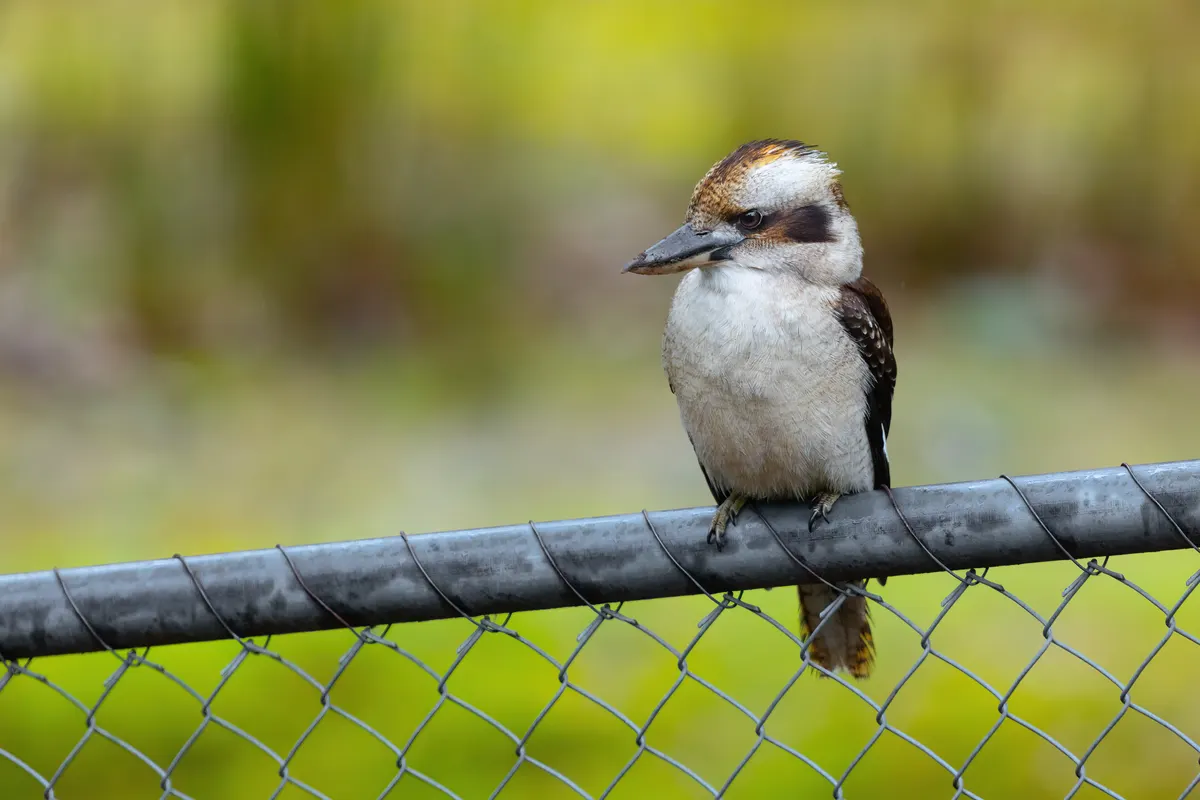
Australia adds eucalyptus forest and woodland, home to koalas, laughing kookaburras and the giant prickly stick insect.

What threatens forest animals?

Clearing and splitting up forest is the most widespread pressure: wide-ranging predators such as tigers, jaguars and harpy eagles need large connected areas, and orangutans depend on fruiting rainforest trees.

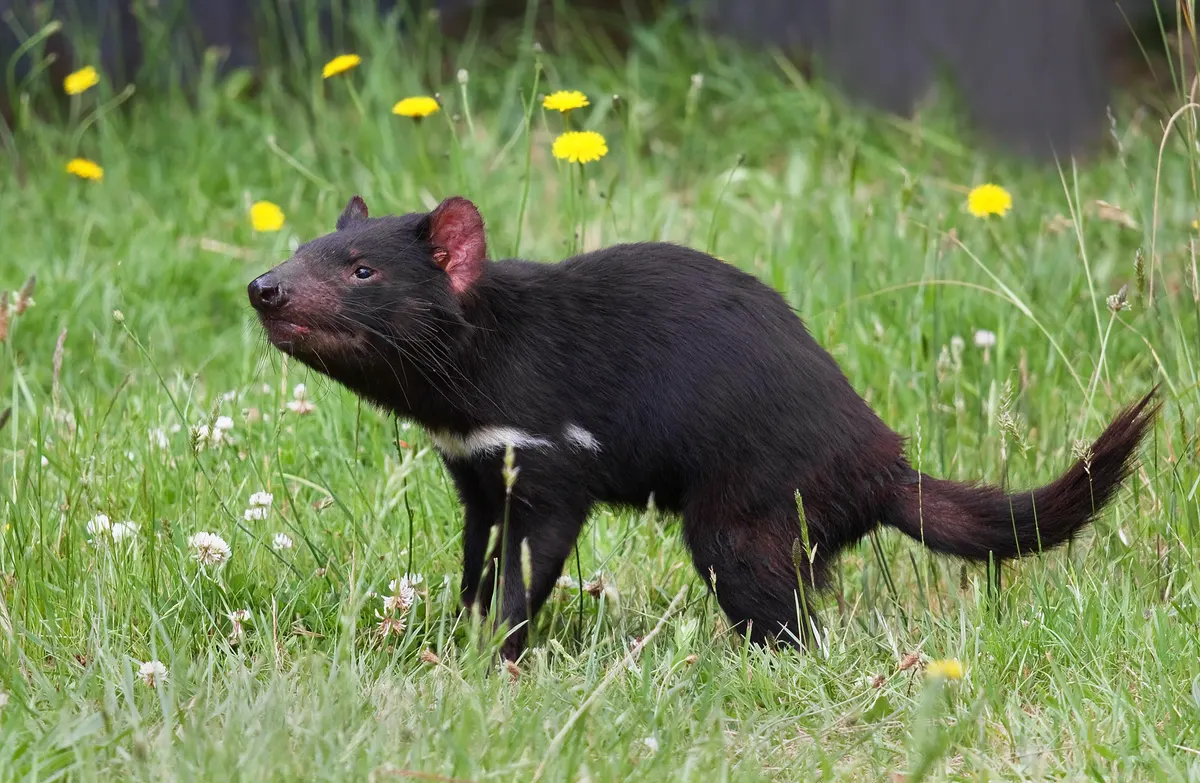
Other threats are specific to a species. Pangolins are heavily poached. The kakapo and kiwi evolved without land mammal predators, so introduced rats, cats and stoats are a major danger to them. Tasmanian devils are threatened by a contagious facial tumor disease. Each species profile explains its own status and threats.

Common Questions

FAQ about Forest Animals

Select a question to reveal the answer.

What animals live on the forest floor?

Forest floor animals in this collection include tigers, Brazilian tapirs, cassowaries, kiwis, the kakapo, pangolins, leafcutter ants and fire salamanders.

Do all forest animals live in trees?

No. Tigers, wolves and moose spend most of their time on the ground, while sloths and koalas rarely come down. Leopards and chimpanzees use both the ground and the trees.

Are rainforest animals the same as forest animals?

Rainforest animals are one group of forest animals. Tropical rainforest stays warm and wet all year, while temperate and boreal forests have cold seasons, so a toucan and a moose are both forest animals that could not swap habitats.

Keep reading

Questions and comparisons

Short answers and side-by-side comparisons about animals in this hub.

Question

How Do Tigers Ambush Prey?

A tiger hunt depends on getting close unseen; speed and strength matter only after the stalk has closed the distance.

Read the answer

Question

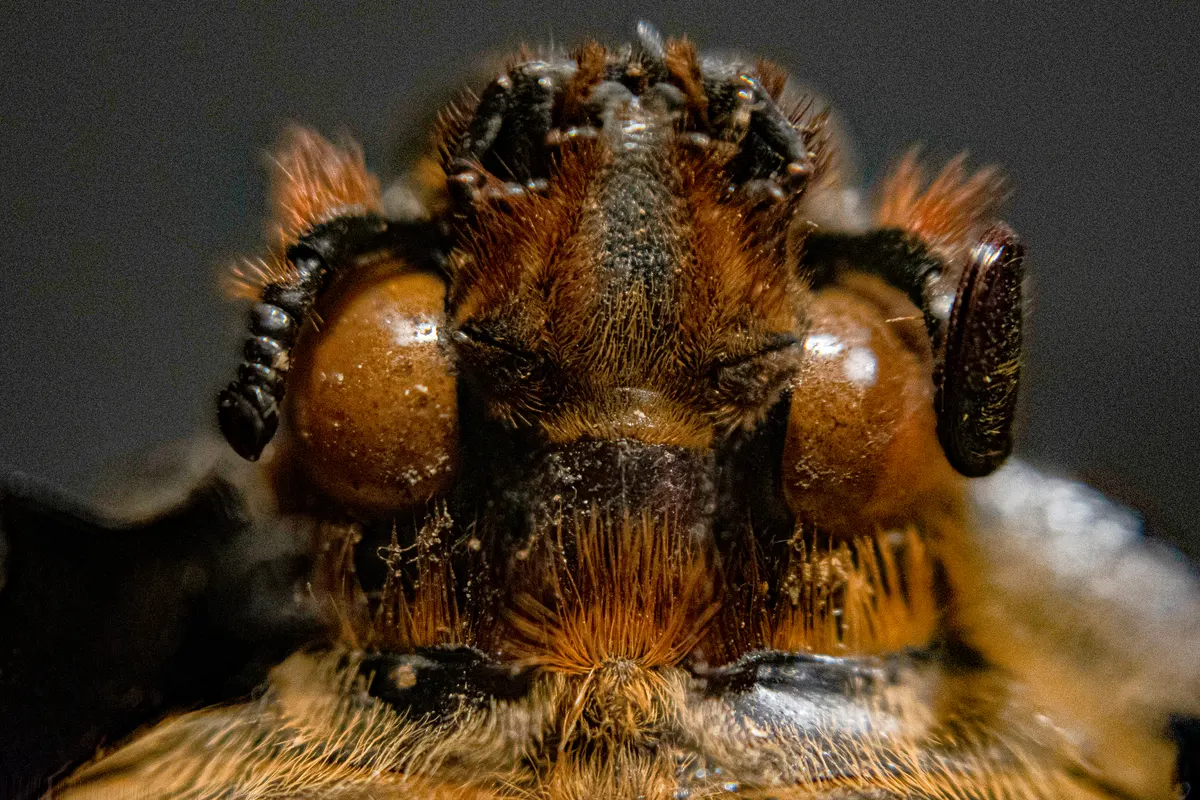
How Strong Is a Hercules Beetle for Its Size?

The beetle's real advantage is a horn-and-body system adapted to grip, lift, and dislodge rival males—not one viral strength number.

Read the answer

Question

Why Do Binturongs Smell Like Popcorn?

The popcorn-like smell is a chemical calling card left on branches, not evidence that the animal has eaten popcorn.

Read the answer

Question

Why Do Harpy Eagles Have Such Large Talons?

Large curved talons give a harpy eagle reach, penetration, and retention when an arboreal mammal cannot be allowed to escape.

Read the answer

Question

Why Do Kakapos Boom at Night?

A kakapo boom is a long-distance mating signal shaped by nocturnal life, lek breeding, and the acoustics of New Zealand forest.

Read the answer

Question

Why Are Red Pandas Not Giant Pandas?

The name is shared, the menu overlaps, but a red panda is neither a small bear nor a young giant panda.

Read the answer

Comparison

Eurasian Lynx vs Bobcat

Both are short-tailed Lynx species, but they live on different continents and differ in size, ear tufts, and typical prey.

Compare them

Comparison

Fox vs Wolf

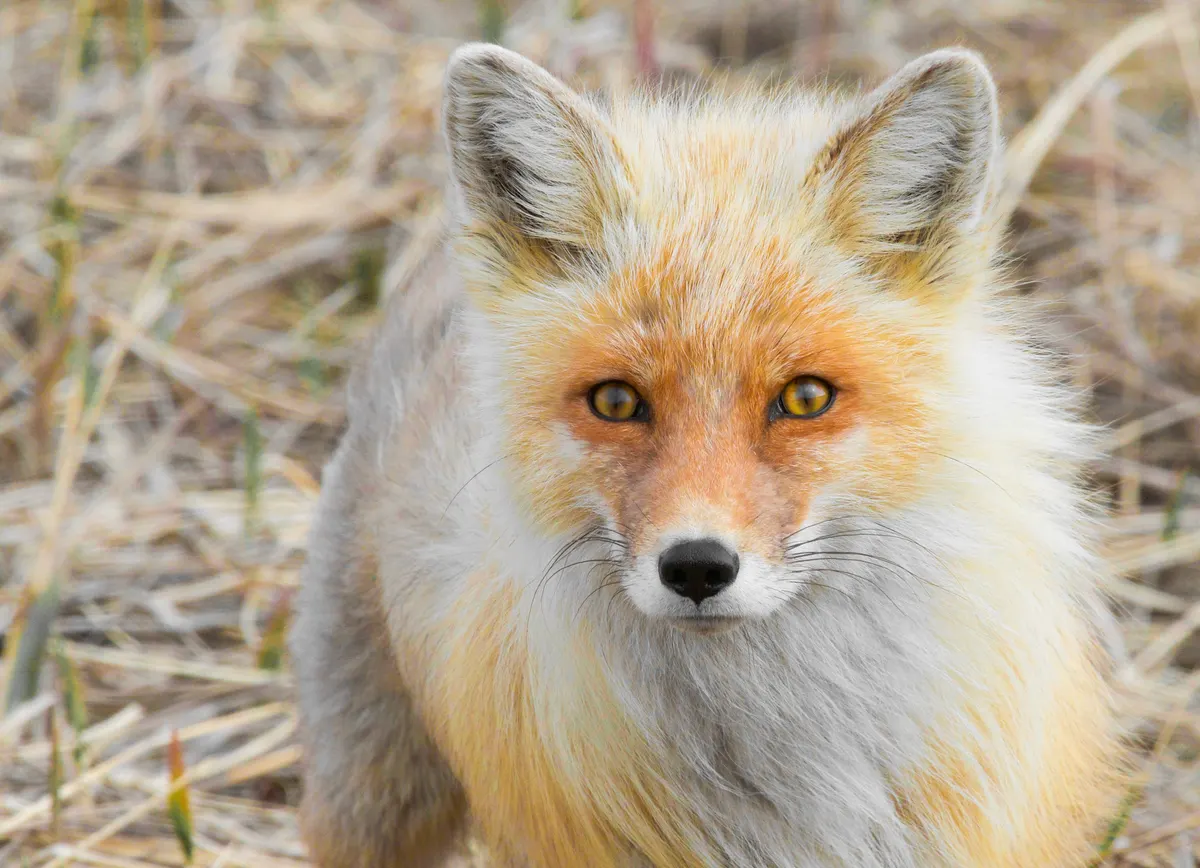
Foxes and wolves are both canids, but their size, social systems, prey choices, and use of territory make them very different animals in the field.

Compare them

Comparison

Giant Panda vs Red Panda

They share bamboo forests and a misleading name, but giant pandas and red pandas are very different mammals with separate evolutionary lineages.

Compare them

Comparison

Jaguar vs Leopard

Jaguars and leopards both have rosettes, but their continents, coat details, body build, prey, and relationship with water separate them.

Compare them

Measured spread

How much this hub varies

Computed from the 73 species listed here, using the published figure on each profile.

MeasureSmallest listedLargest listed
Body mass (adult max)Leafcutter Ant0.06 gMoose680.4 kg
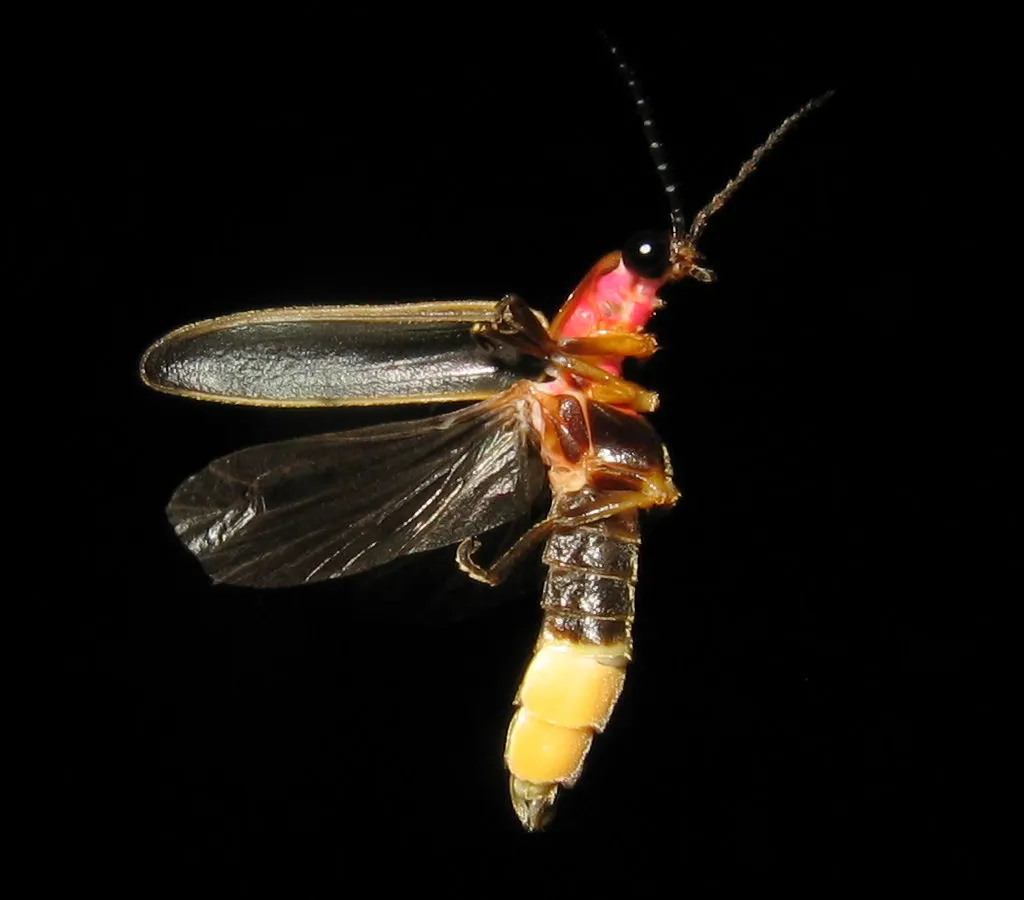
Body length (max)Firefly1.5 cmKing Cobra5.85 m
Lifespan in the wild (max)Luna Moth0 yrKakapo90 yr
IUCN status across the hub
41 Least Concern · 17 Vulnerable · 8 Endangered · 4 Critically Endangered · 2 Near Threatened · 1 Not Evaluated
Habitats represented
Forest (73)

Keep exploring

Related hubs

Same cluster, different angle — open a diet or habitat hub to compare species side by side.