
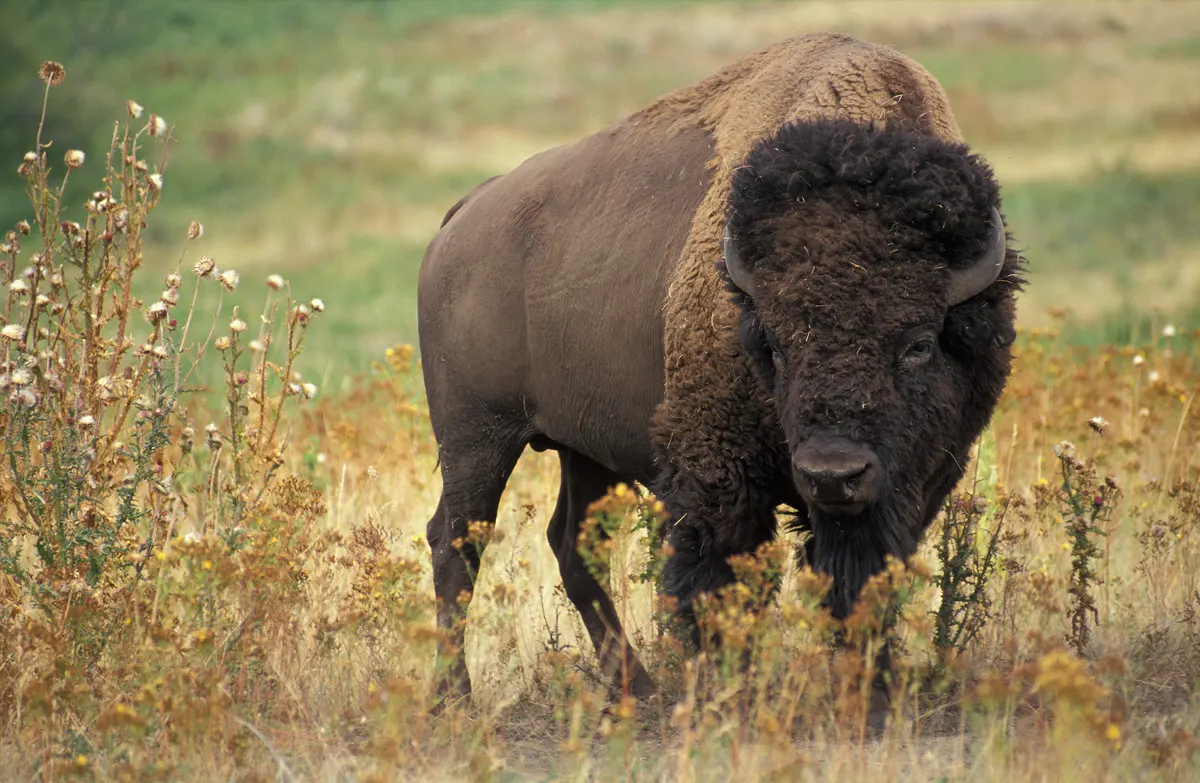
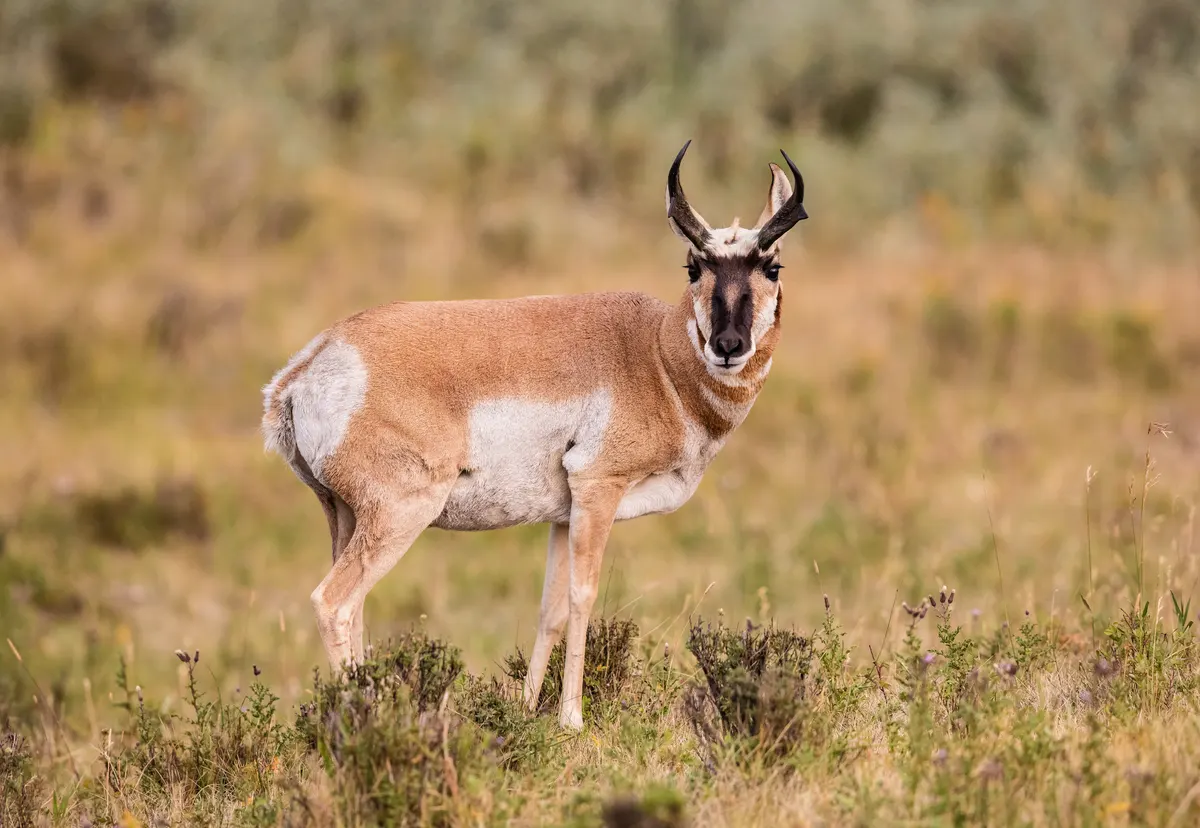
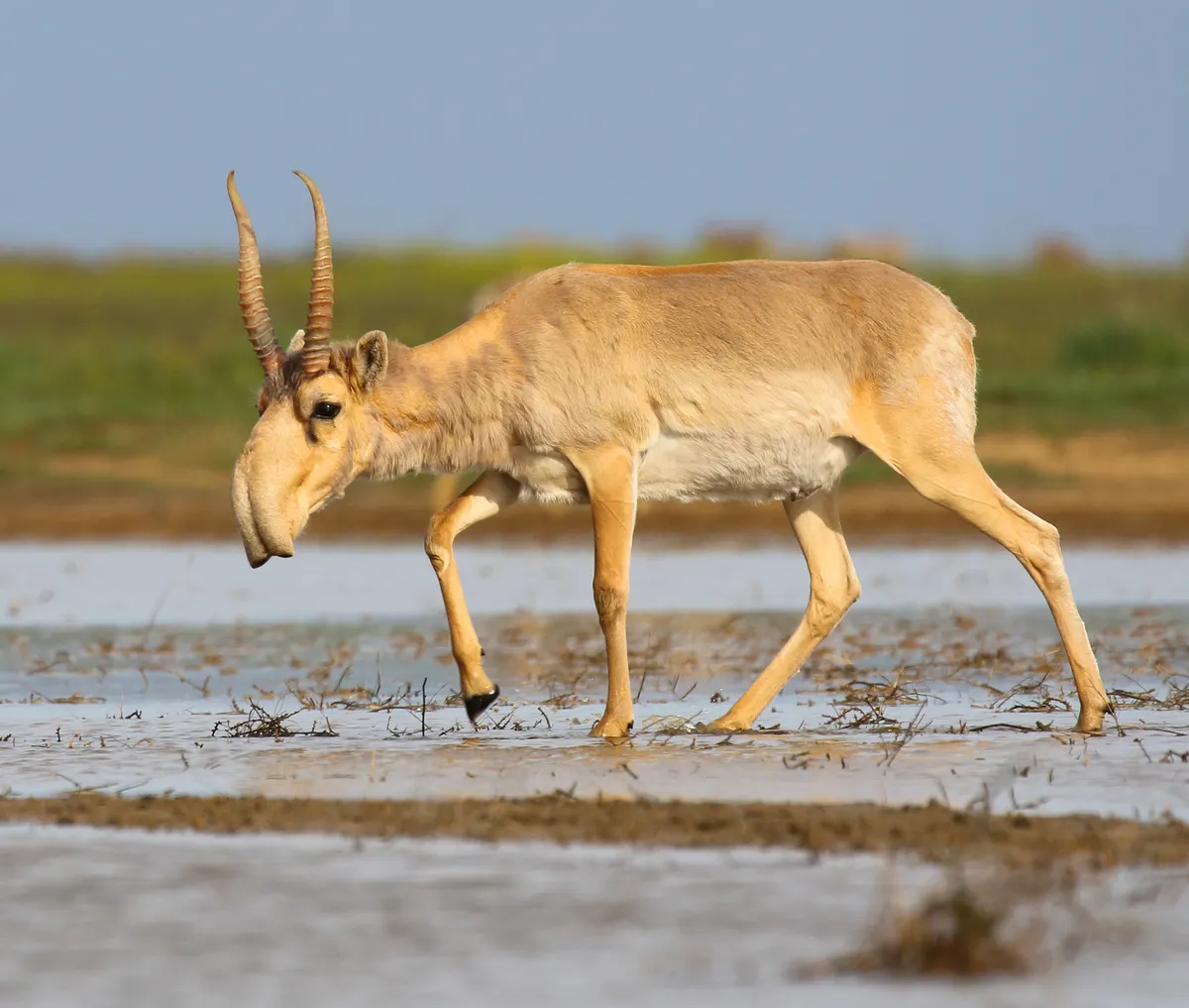

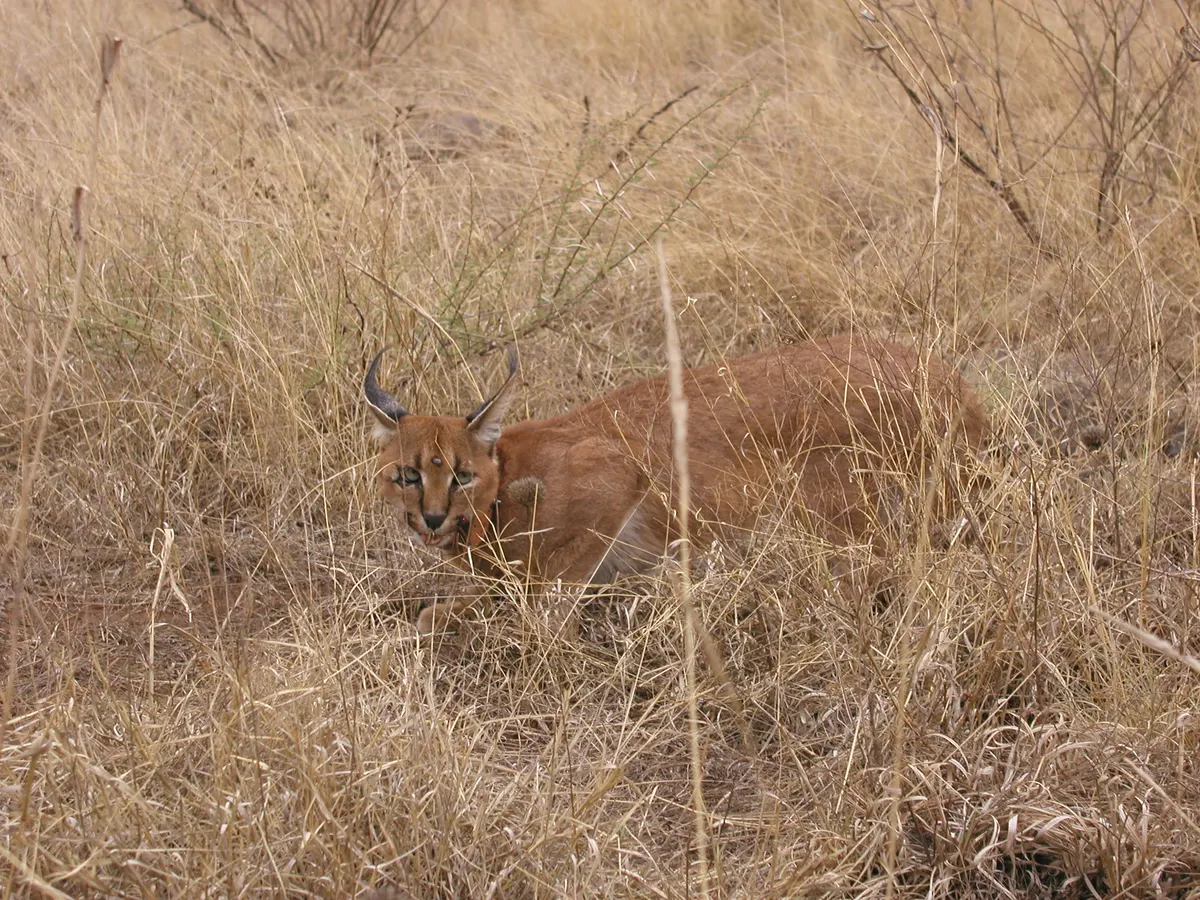
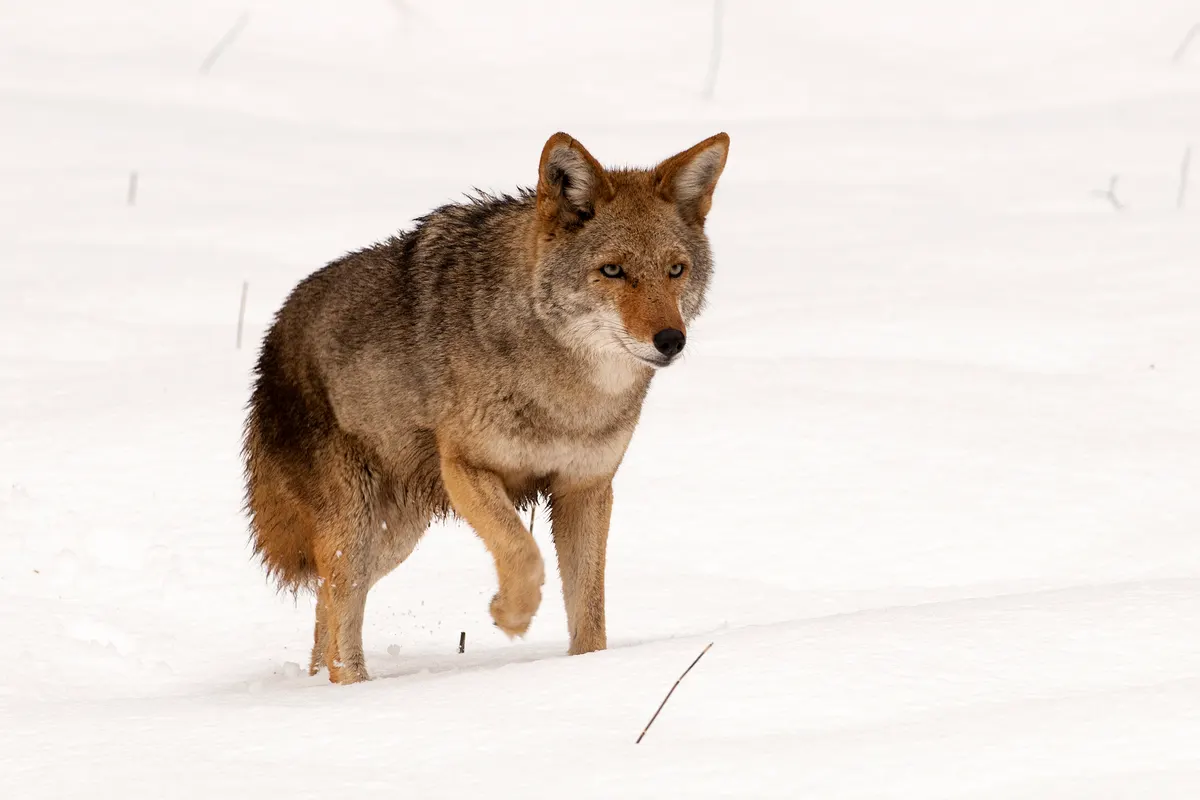

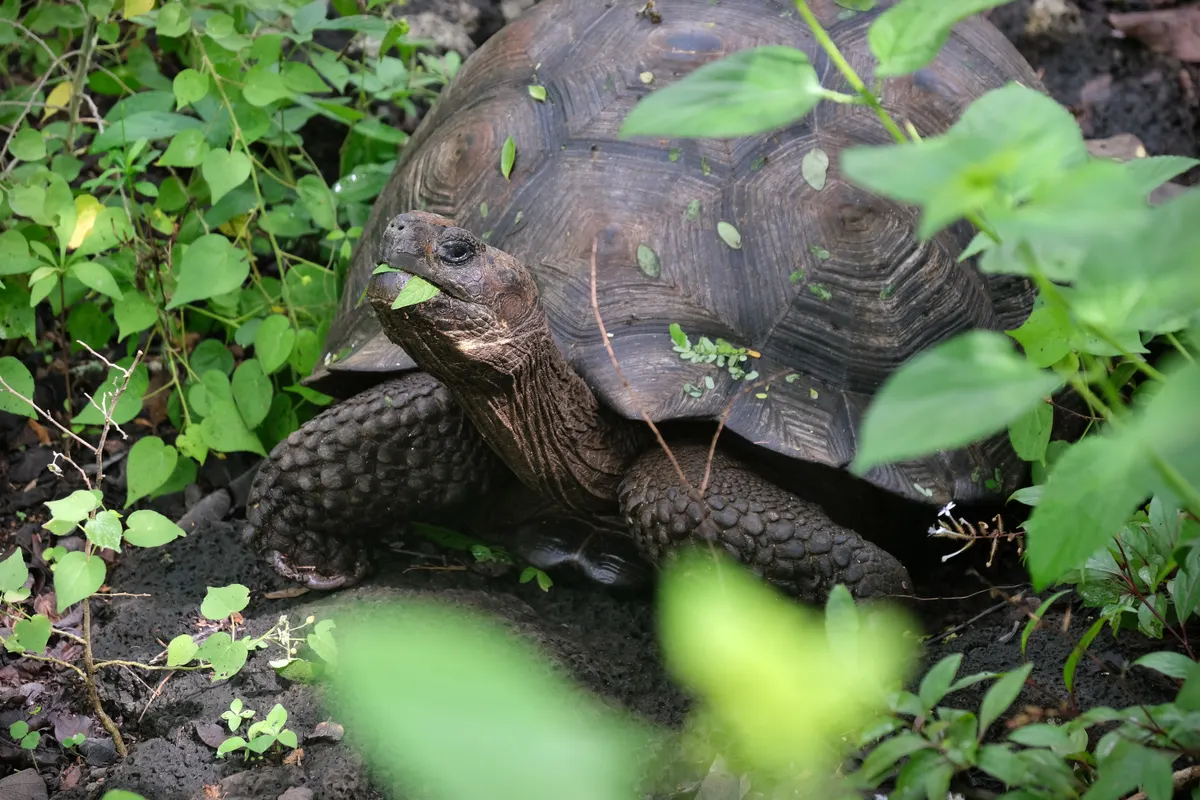
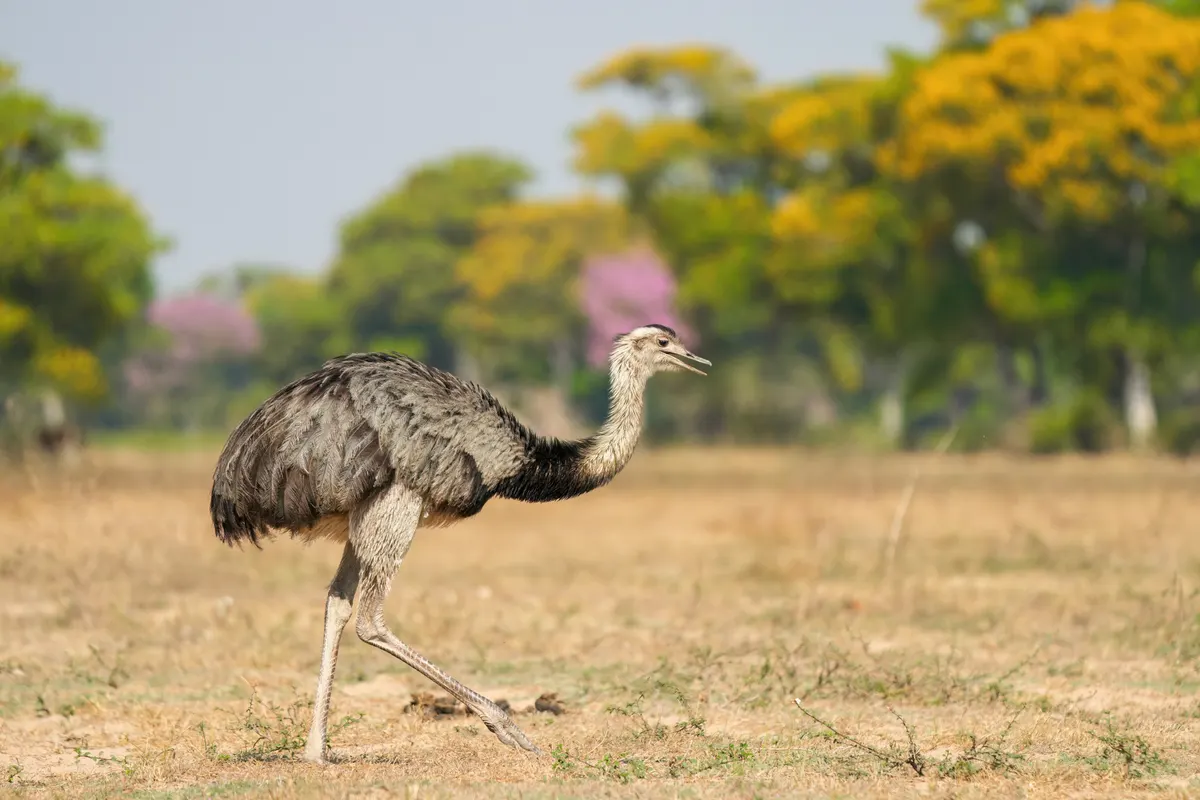



Both are open habitats dominated by grasses. National Geographic names low rainfall, wildfire and grazing as the three factors that maintain grassland: there is enough rain for grass but not for a forest. It separates grasslands into two main types:
- Savannas are warm to hot all year. Most rain falls in a few months, and the long dry season that follows holds back tree growth, so trees are present but scattered. African savannas are known for elephants, lions, giraffes and zebras; savannas also occur in South America, Asia and Australia.
- Temperate grasslands have hot or warm summers and cold winters, and their soils are richer than savanna soils. Regional names include prairie for the plains of the central United States and central and western Canada, steppe for the grassland that runs from Manchuria through Mongolia and Kazakhstan to Hungary, and pampas for the grassland of parts of Argentina, Brazil and Uruguay. On tallgrass prairie, in the wetter east, grasses can reach 2 m (6 ft); shortgrass prairie is found in the drier west.
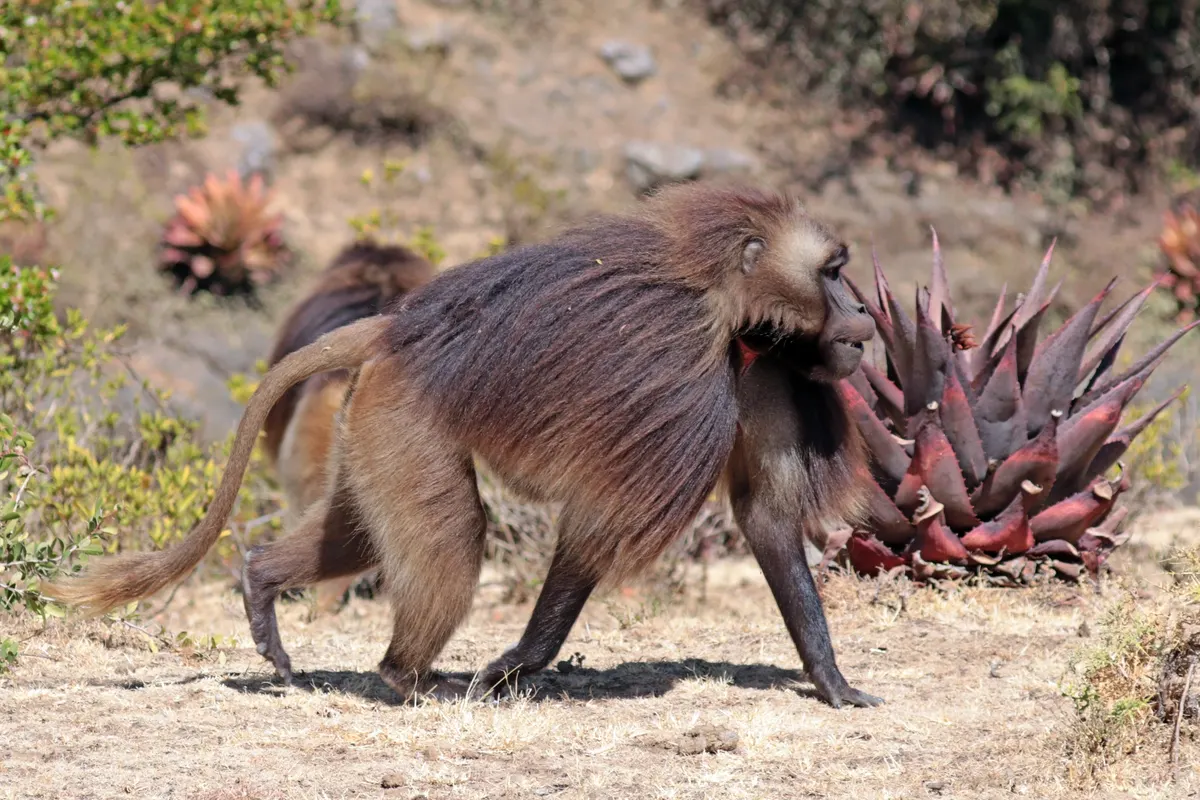
Grassland also grows high on mountains. Geladas live on the open plateaus of the Ethiopian Highlands from about 1,500 m (5,000 ft) to over 4,480 m (14,700 ft). Snow leopards generally live at 3,000–4,500 m (9,800–14,800 ft) in the mountains of Central Asia, where they use grassland, alpine meadows and shrubland.