
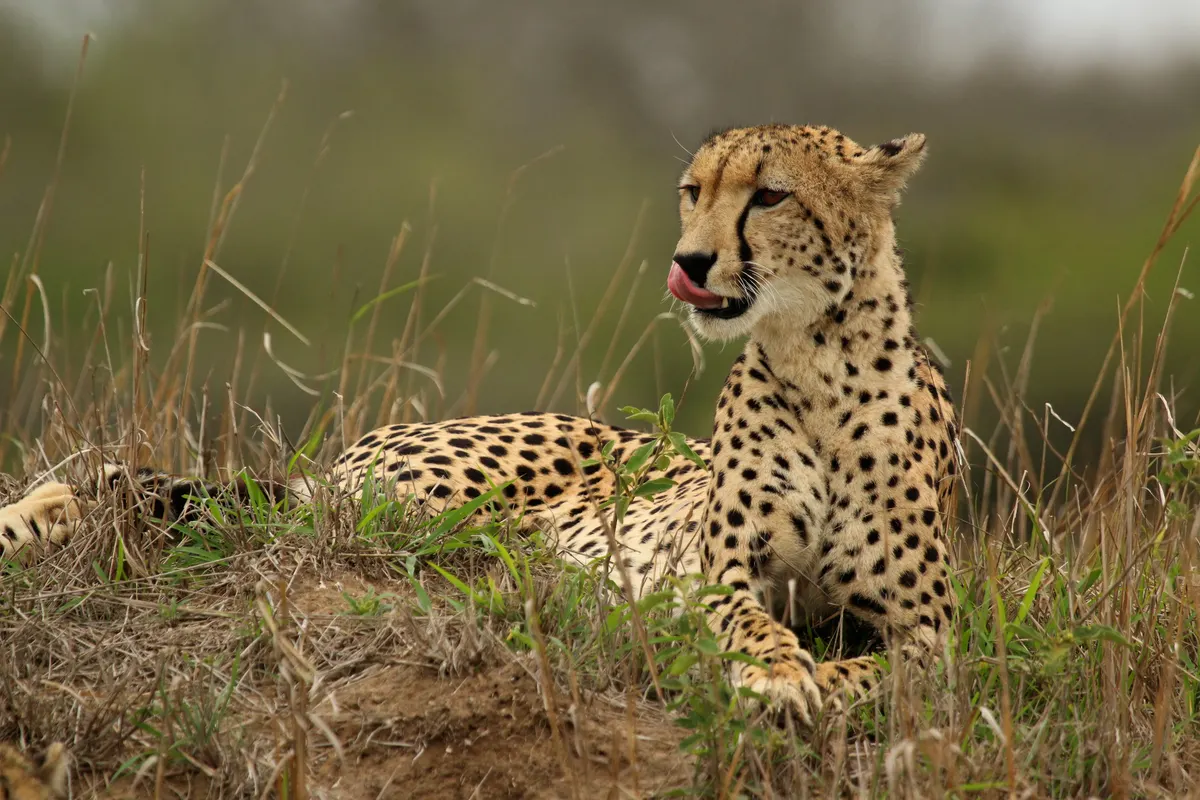
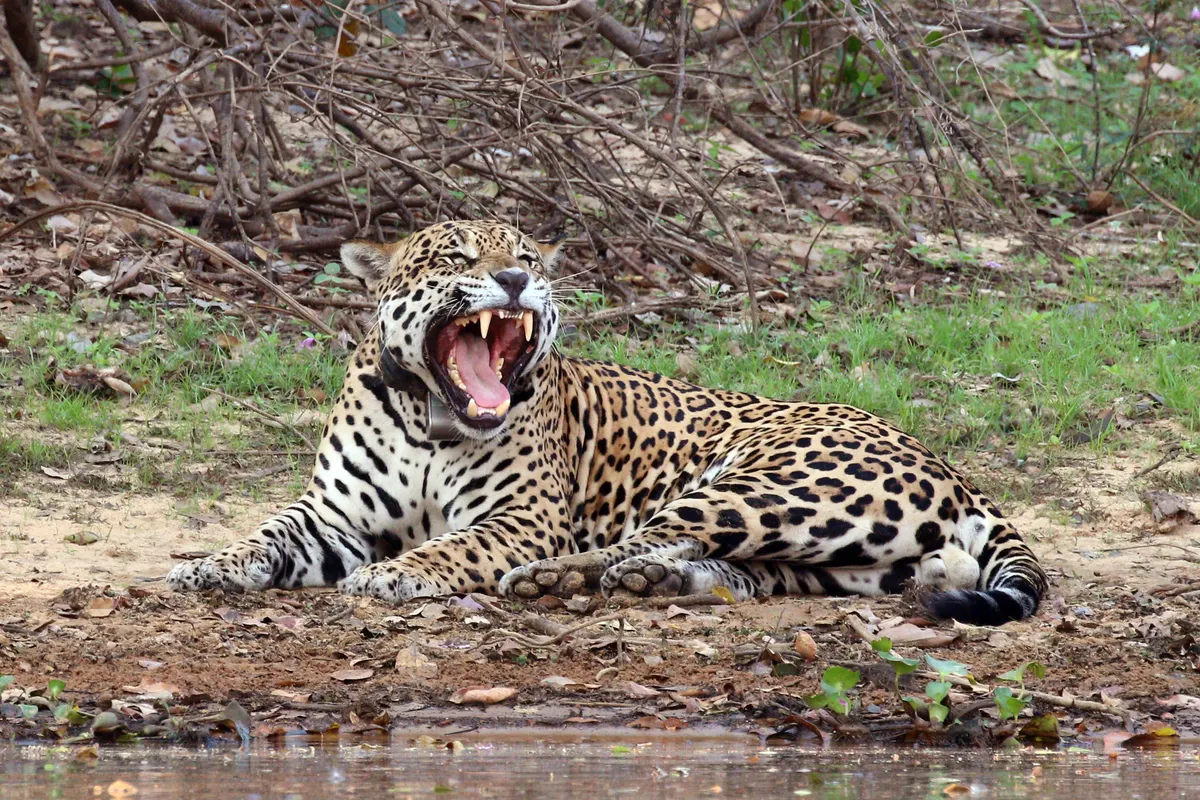
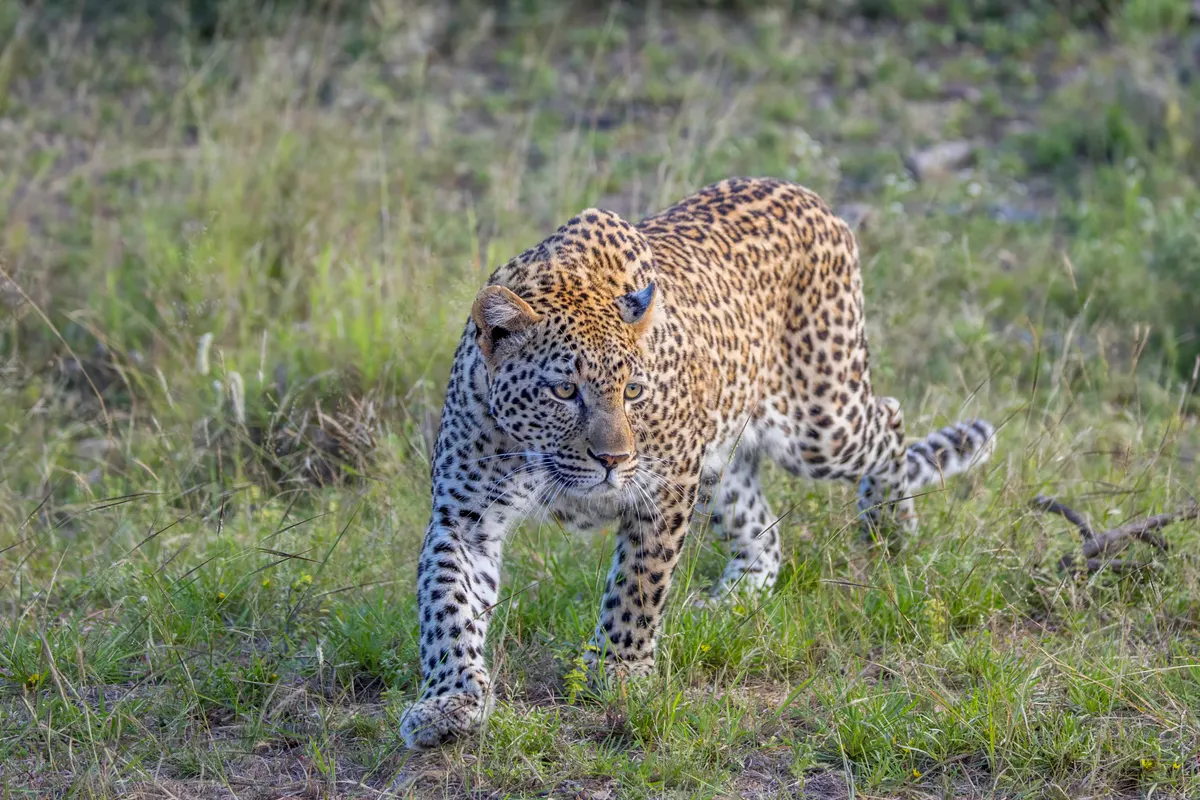


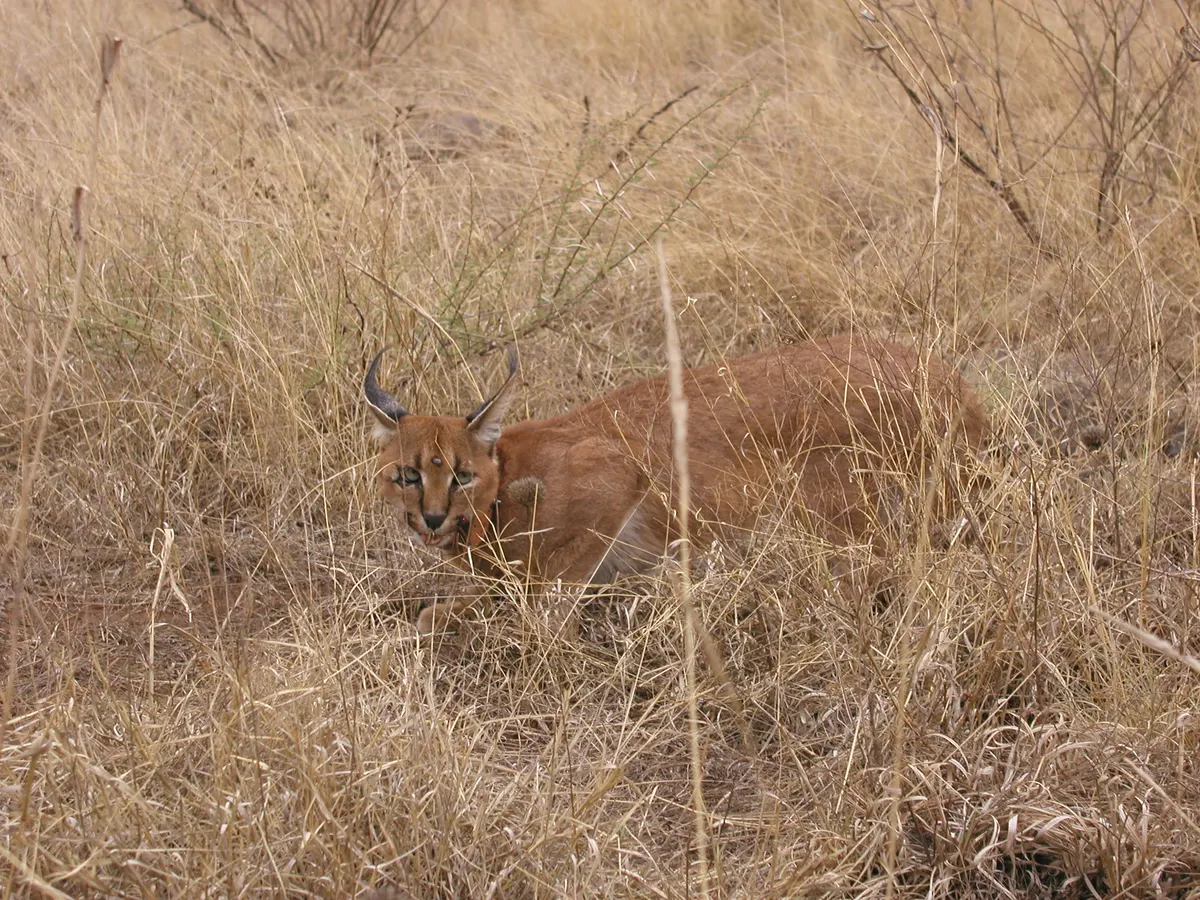
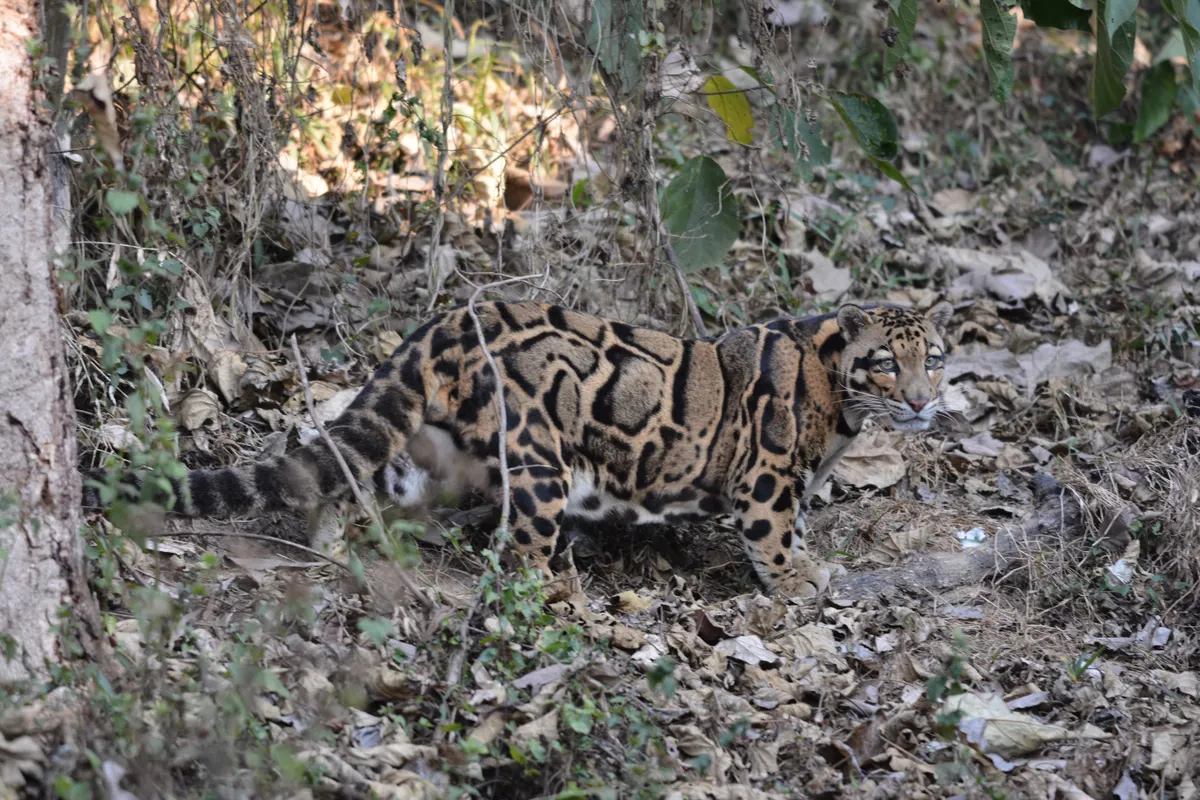

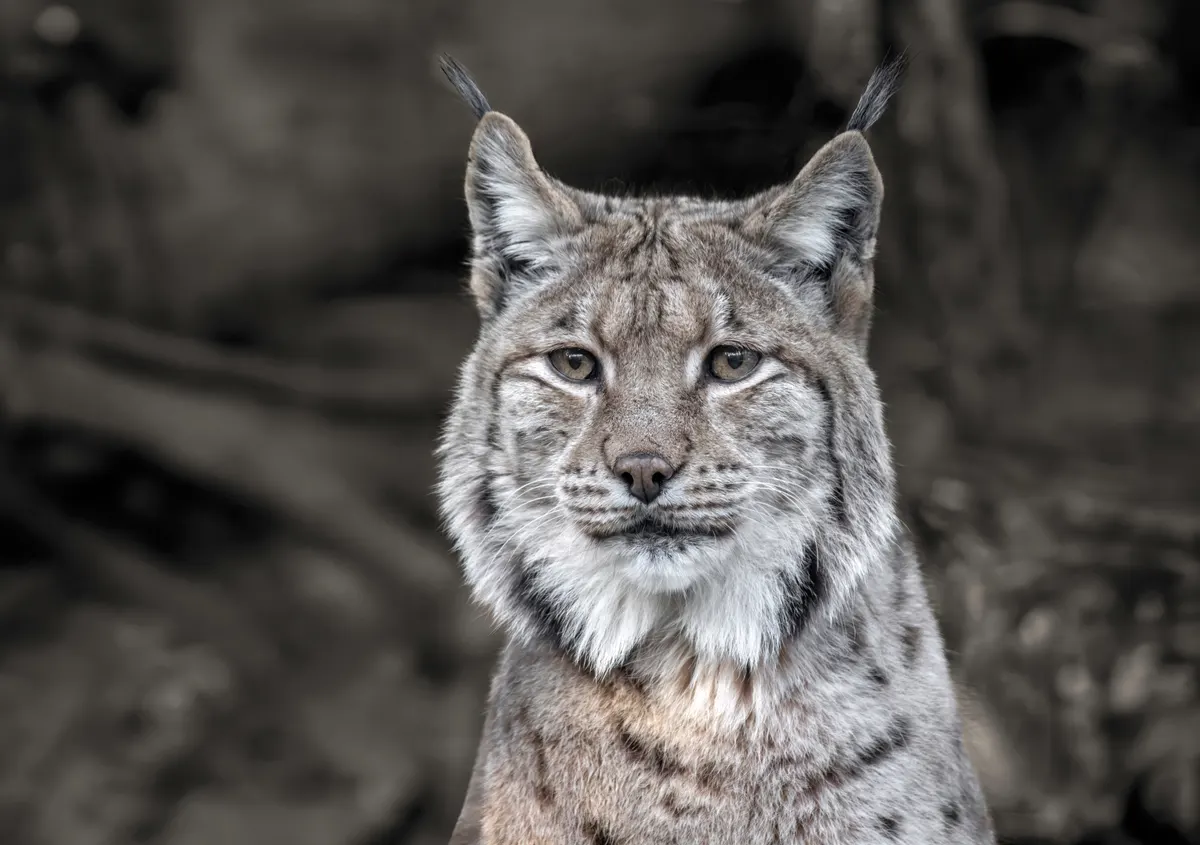
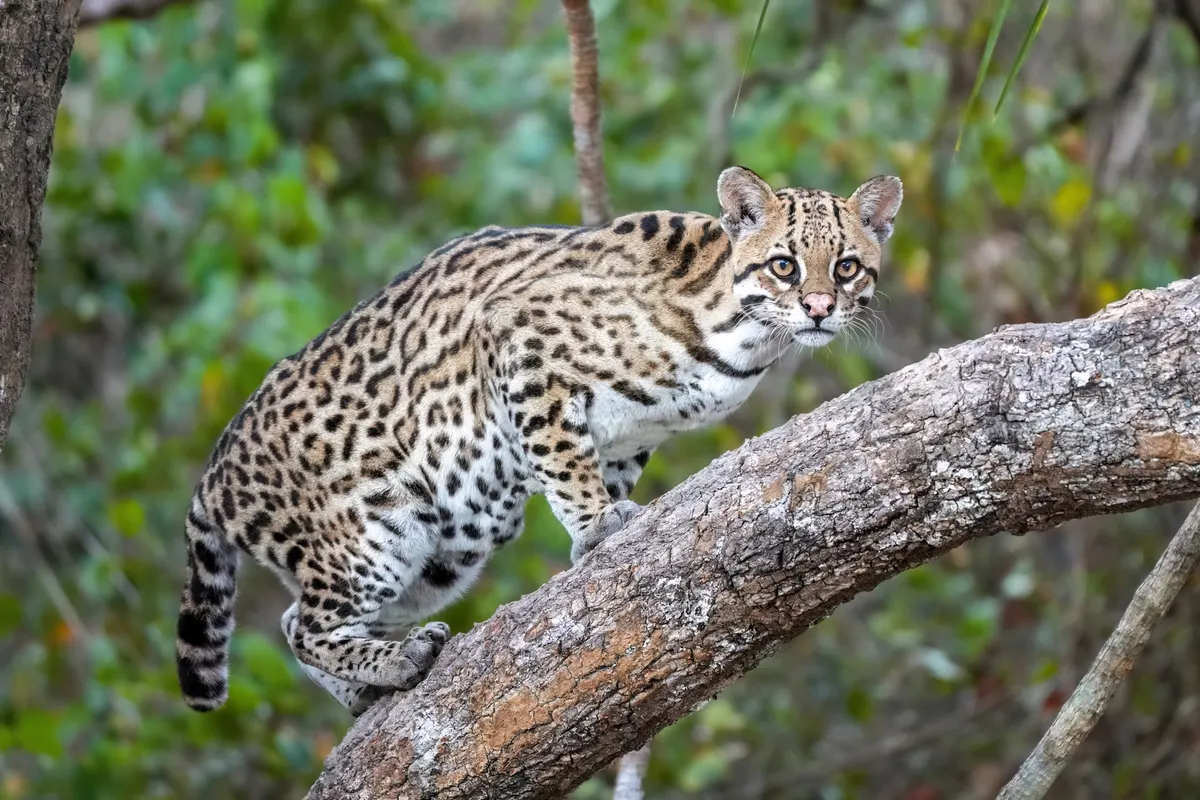
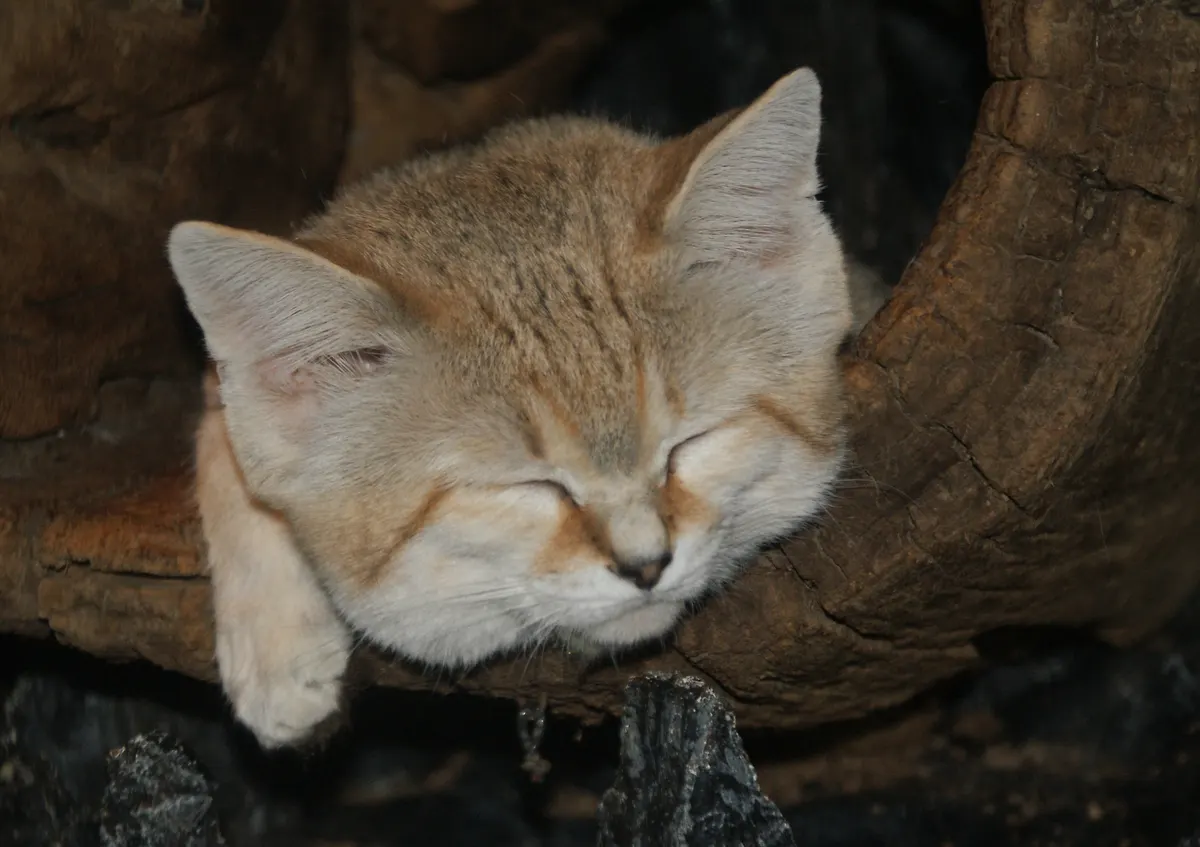
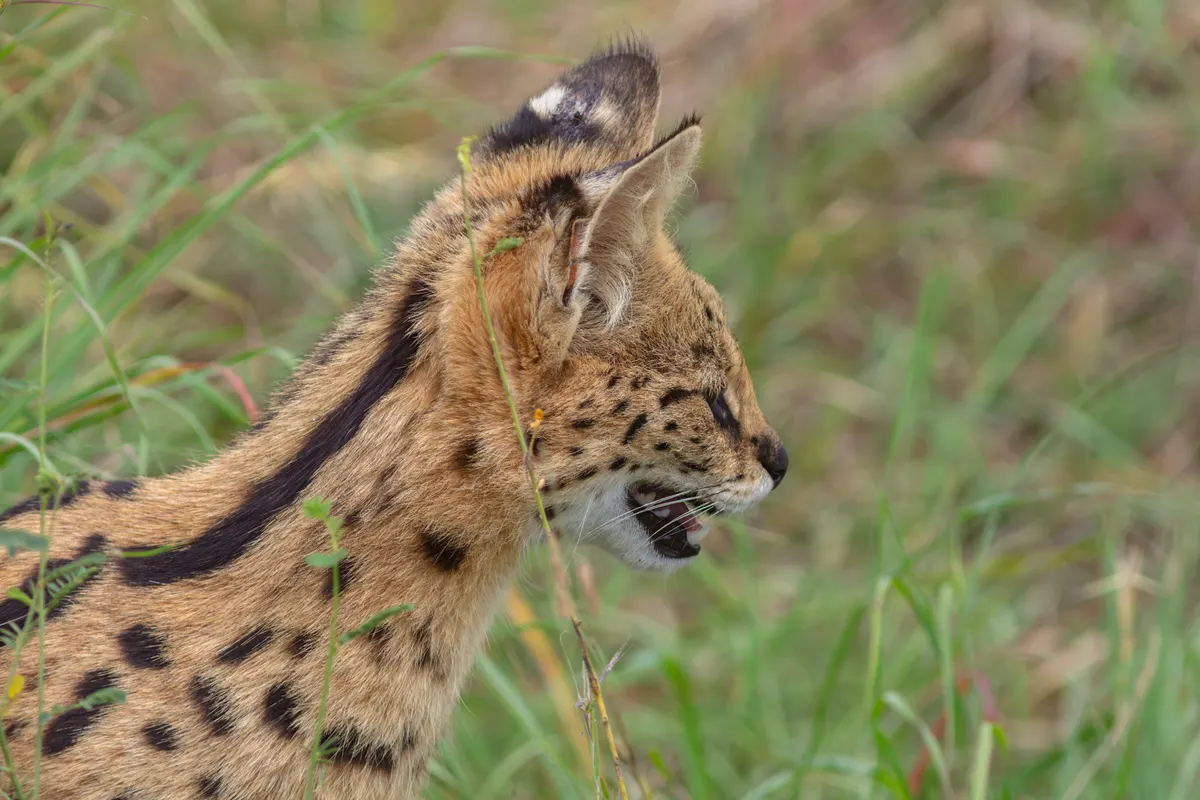

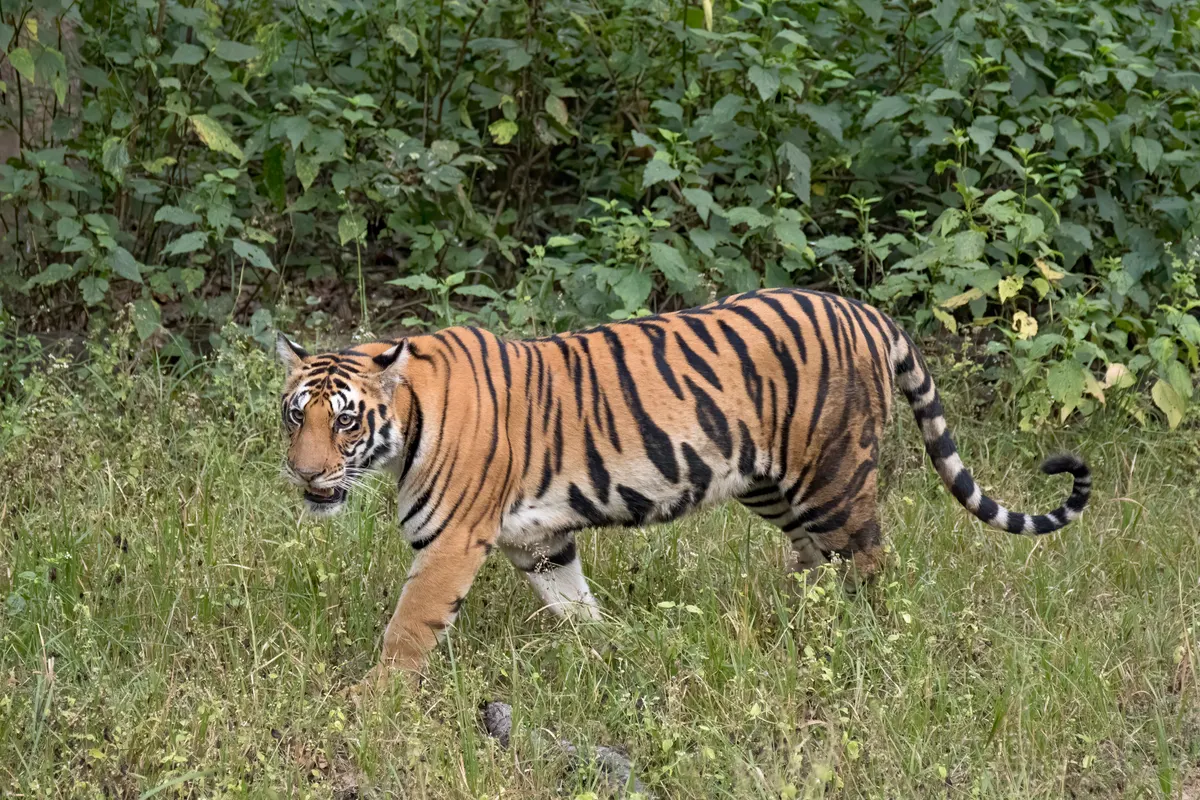
Snow Leopard hunts rocky Central Asian slopes. Sand Cat tolerates extreme desert heat. The lanky Serval and tuft-eared Caracal pounce on rodents and leap for birds in African grassland, while the Clouded Leopard is a forest climber marked with cloud-shaped blotches. Spotted coats, rosettes, and plain fur each match a different background. Compare the profiles for prey choice, territory size, and how human conflict affects each species.
Families hub
Felidae Animals
Explore animals in the Felidae family with wildlife photos, taxonomy context, and related species pages.
- Species listed
- 15
- Diet mix
- 15 carnivore
- Updated
- November 2026
15 related species in this hub
Overview
The cat family
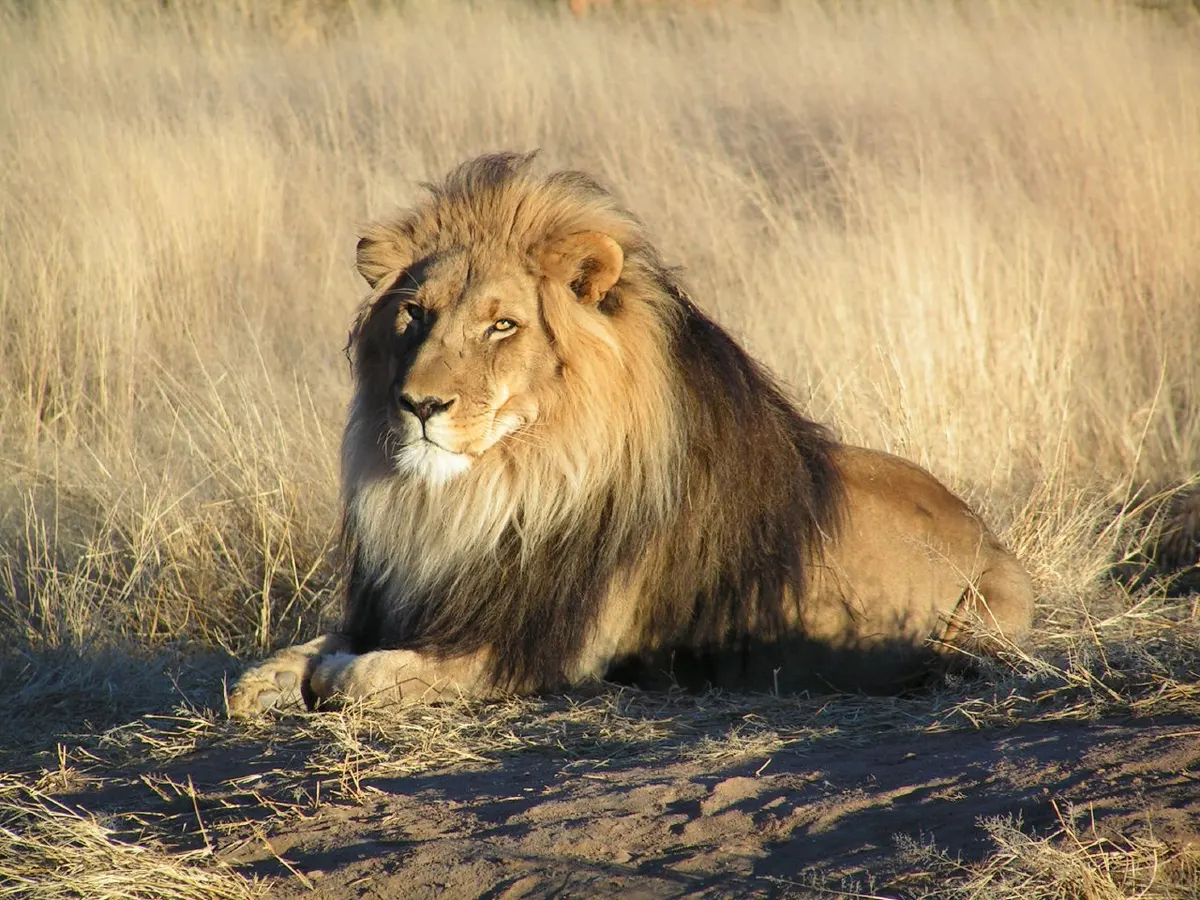
Felidae covers small sand cats to the largest tigers. All are obligate carnivores with retractable claws, sharp canine teeth, and flexible spines built for short bursts of speed or ambush. Lion is the most social, hunting in prides on African savanna. Cheetah relies on open-ground sprinting. Tiger, Leopard, and Jaguar are solitary stalkers in forest and woodland.
Start here
Featured species
3 entry points into this cluster — each profile has range, diet, behavior, and conservation detail.
Species directory
All 15 animals in this hub
Flagship species appear first. Open any card for range maps, diet, behavior, and conservation status.
Field guide
Ecology & context
Adaptations, threats, and comparisons — background for readers who want more than the species directory.
Senses and stealth
Cats see well in low light and locate prey by sight and hearing. Leopard hauls kills into trees to avoid Lion and hyenas. Cheetah sacrifices weight for speed — it cannot defend kills against heavier carnivores. Jaguar bites through turtle shells and skulls with exceptionally strong jaws.
Conservation across continents
Lion populations are fragmented outside protected areas. Tiger needs forest corridors across Asia. Snow Leopard faces retaliatory killing near livestock. Each profile covers range, prey decline, and anti-poaching efforts.
Common Questions
FAQ about Felidae Animals
Select a question to reveal the answer.
What defines the cat family?
Retractile claws, sharp carnassial teeth, and predatory skull shape. All living felids are carnivores.
Do all cats roar?
Keep reading
Questions and comparisons
Short answers and side-by-side comparisons about animals in this hub.
Question
How Do Tigers Ambush Prey?
A tiger hunt depends on getting close unseen; speed and strength matter only after the stalk has closed the distance.
Read the answerQuestion
Why Do Lions Live in Prides? Territory, Cubs and Hunting
Pride life helps lions hold productive territory and protect cubs, while cooperation can improve some hunts.
Read the answerQuestion
Why Are Cheetahs So Fast?
Speed is a cheetah's hunting tool, but it only lasts for a short, demanding sprint.
Read the answerQuestion
Why Do Leopards Rest in Trees?
A leopard in a tree is not lost. Climbing gives this solitary cat a calmer place to rest, watch, and sometimes protect a meal.
Read the answerQuestion
Why Do Snow Leopards Have Long Tails? Balance & Warmth
A snow leopard's long tail acts as a counterbalance on cliffs and an insulated wrap during rest.
Read the answerComparison
Caracal vs Serval
Caracals and servals are medium-sized African cats often confused with each other, but the caracal has plain fur and long black ear tufts while the serval is spotted with very tall legs and huge rounded ears.
Compare themComparison
Clouded Leopard vs Snow Leopard
Despite the shared name, clouded leopards and snow leopards are different Asian cats: the smaller clouded leopard is a forest climber with cloud-shaped blotches, while the larger snow leopard is a thick-coated cat of high mountains.
Compare themComparison
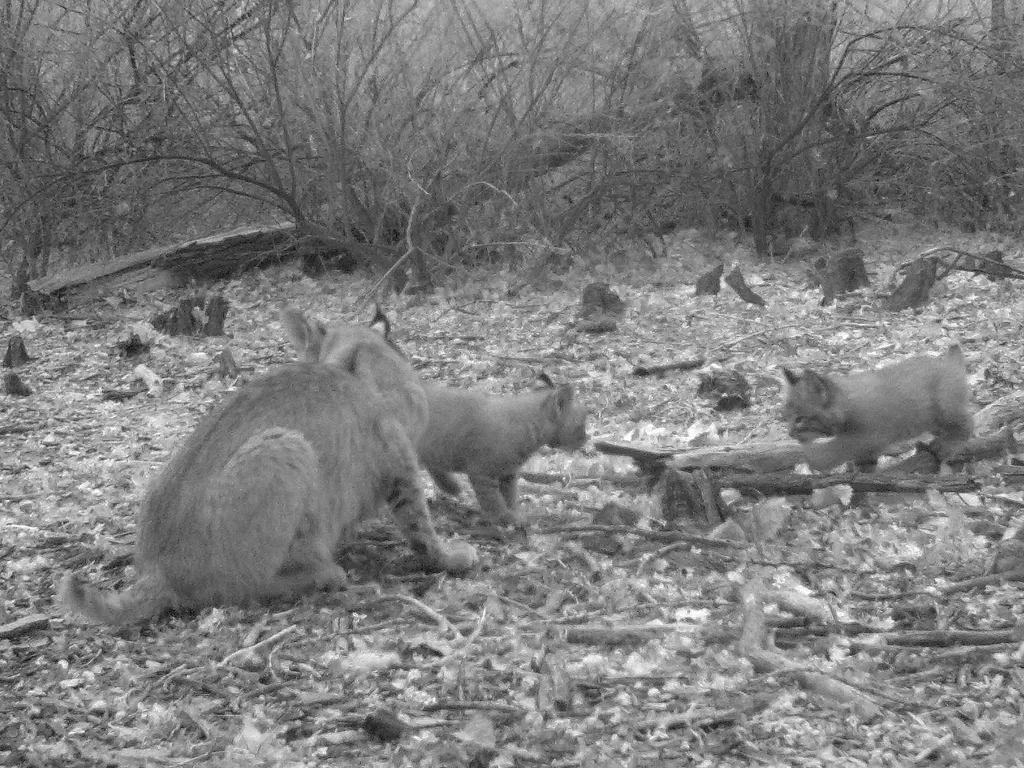
Eurasian Lynx vs Bobcat
Both are short-tailed Lynx species, but they live on different continents and differ in size, ear tufts, and typical prey.
Compare themComparison
Jaguar vs Leopard
Jaguars and leopards both have rosettes, but their continents, coat details, body build, prey, and relationship with water separate them.
Compare themMeasured spread
How much this family varies
Computed from the 15 species listed here, using the published figure on each profile.
| Measure | Smallest listed | Largest listed |
|---|---|---|
| Body mass (adult max) | Sand Cat3.2 kg | Tiger299.4 kg |
| Body length (max) | Sand Cat50.8 cm | Tiger3.05 m |
| Lifespan in the wild (max) | Bobcat10 yr | Leopard17 yr |
Keep exploring
Related hubs
Same cluster, different angle — open a diet or habitat hub to compare species side by side.